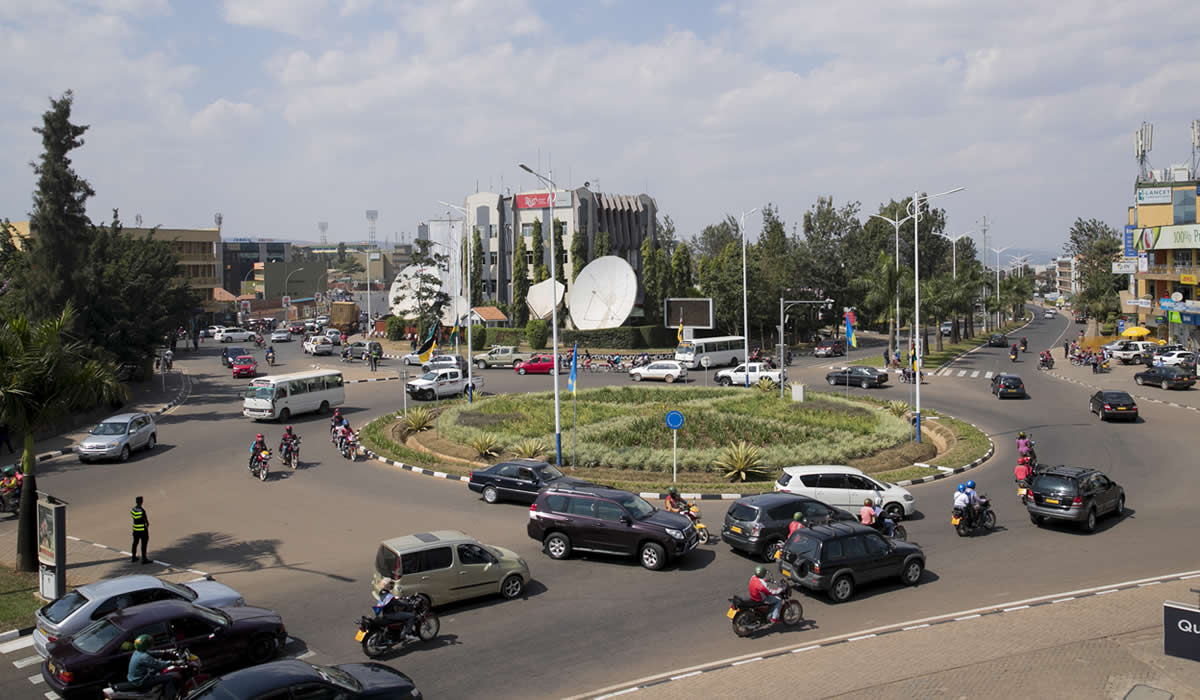

Driving in Rwanda at Night: Safety Tips for Rental Cars Driving in Rwanda at night…
Tips for Safe Driving with a Rwanda Rental Car
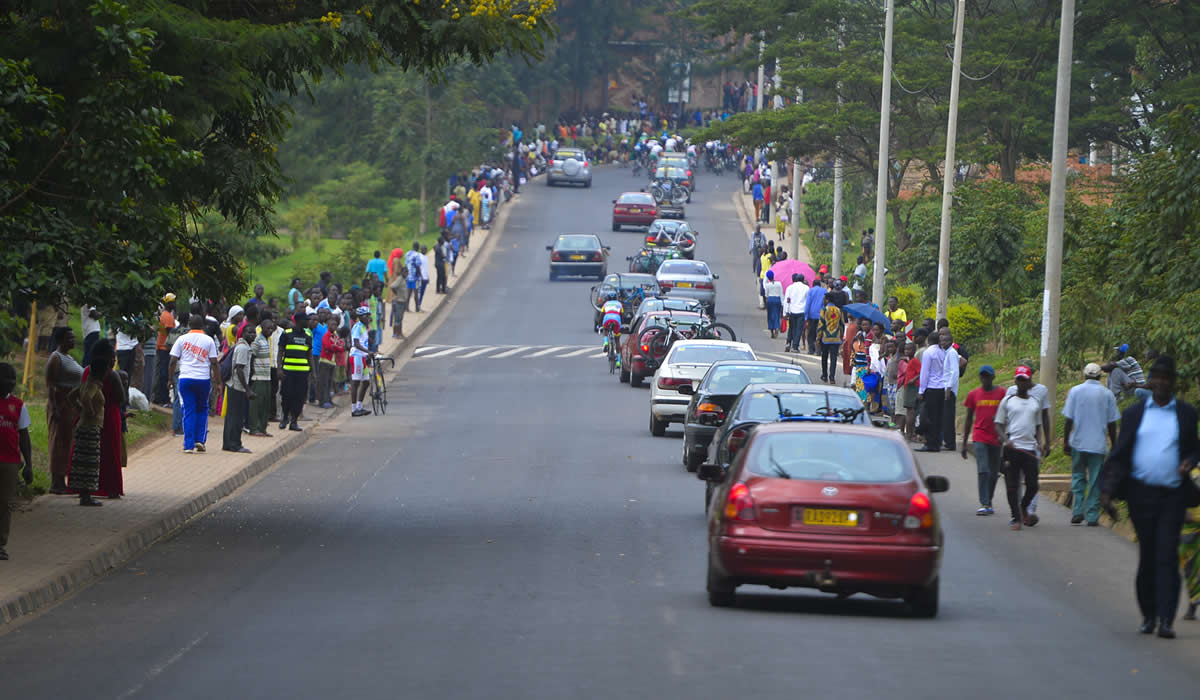
Using a rental car in Rwanda gives you the flexibility to explore Kigali, visit national parks, travel between towns, and manage your own itinerary. However, before starting your journey, it is important to know how to check your vehicle, understand your rental agreement, and prepare for unexpected problems. This rental car safety checklist for Rwanda explains the practical steps to take before collecting your car, during your trip, and when returning it.
Whether you are visiting Rwanda for business, a holiday, or a road trip, a few simple checks can help you avoid unnecessary delays, misunderstandings, and preventable vehicle problems.
1. Inspect Your Rwanda Rental Car Before Driving
Before leaving the collection point, walk around the vehicle and inspect its general condition. Do not feel rushed, even if you are eager to begin your journey.
Check the following items:
- Tyres: Look for visible damage, unusual wear, or signs of low pressure.
- Lights and indicators: Confirm that the headlights, brake lights, hazard lights, and turn signals work.
- Mirrors and windows: Check that the mirrors are secure and the windows and windscreen allow a clear view.
- Wipers: Make sure the wipers work properly, especially if you expect rain.
- Brakes: Ask the rental representative to explain any warning lights or concerns before departure.
- Seat belts: Check that the driver and passenger seat belts fasten and release correctly.
- Dashboard: Ask about any warning lights that remain on after starting the engine.
- Spare tyre and tools: Confirm whether a spare tyre, jack, and wheel-changing tools are provided.
If you notice a problem, report it to the rental company before driving away. Do not assume that an issue will be resolved later.
You can also review the available vehicles on the Rwanda Cars For Rental fleet page and discuss which option suits your planned route.
2. Photograph Existing Damage Before Departure
Documenting the vehicle’s condition is one of the simplest ways to reduce disagreements when returning a rental car.
Before leaving, take clear photos or a short video of:
- Each side of the vehicle.
- The front and rear bumpers.
- Existing scratches, dents, or paint damage.
- Wheels, tyres, mirrors, and windows.
- The dashboard and fuel gauge.
- The interior, including seats and visible damage.
Make sure your photos are clear enough to show the vehicle’s condition. If you notice damage, ask the rental representative to record it on the vehicle inspection form or rental agreement.
Keep the photos until the rental period is complete and any return inspection has been settled.
This step does not replace the rental company’s inspection process, but it gives both parties a useful record of the vehicle’s condition at collection.
3. Understand Your Rental Agreement Before Signing
Your rental agreement explains the conditions under which you may use the vehicle. Read it carefully before signing and ask questions about anything you do not understand.
Pay attention to:
- Collection and return dates and times.
- Fuel policy and mileage limits, if applicable.
- The drivers authorised to operate the vehicle.
- Security deposits and possible additional charges.
- Roadside assistance and breakdown procedures.
- Restrictions on where the vehicle may be driven.
- Requirements for visiting national parks or travelling outside Rwanda.
- What to do after an accident or if the vehicle is damaged.
Do not rely only on verbal explanations if an important condition should be recorded in the agreement. Ask the rental company to clarify any unclear term before you begin your trip.
For more information about documents and other rental conditions, read the Rwanda Car Hire Requirements guide.
4. Check What Your Rental Insurance Covers
Before accepting the vehicle, make sure you understand the insurance arrangements associated with your rental.
Do not assume that every type of damage, accident, theft, or roadside problem is automatically covered. The actual protection depends on the policy and the rental agreement.
Ask the rental company:
- What insurance is included in the rental price?
- Is there an excess or deductible you may have to pay?
- Are tyres, windows, underbody damage, or other specific items excluded?
- What should you do if another vehicle hits your rental car?
- Must you contact the police, the rental company, or the insurer after an incident?
- Is prior approval required for travel outside Rwanda?
Keep the relevant contact information accessible during your trip.
For a fuller explanation of coverage, exclusions, and questions to ask before booking, read our guide to car rental insurance in Rwanda.
5. Choose a Rental Car That Matches Your Route
The right vehicle depends on where you plan to go, the number of passengers, the amount of luggage, and the road conditions you expect to encounter.
For journeys mainly around Kigali and other urban areas, a suitable standard car may meet your needs. Longer journeys or routes involving rougher surfaces may call for a vehicle with greater ground clearance or four-wheel-drive capability.
Before booking, consider:
- Your destination: Will you stay in towns or travel to rural areas and national parks?
- Road conditions: Are your planned routes paved, steep, uneven, or potentially muddy?
- Passengers and luggage: Will everyone have enough room and a working seat belt?
- Driving experience: Are you comfortable operating the vehicle you select?
- Rental conditions: Is the vehicle approved for your intended route?
A 4×4 is not automatically necessary for every trip. Choose according to your itinerary and confirm the vehicle’s suitability with the rental company.
If your plans include more demanding routes, explore the available 4×4 car rental options in Rwanda.
6. Keep Important Documents and Contacts Accessible
Before starting your journey, ask the rental company which documents you must carry and how they should be presented if requested by the relevant authorities.
Keep the necessary driving licence, rental documents, and applicable vehicle or insurance information readily accessible. Do not leave important paperwork somewhere you cannot reach during a roadside stop or emergency.
Save the rental company’s telephone number in your phone and keep a written copy as a backup. If the company provides a roadside assistance number, save that too.
It is also helpful to share your itinerary with someone you trust when travelling to an unfamiliar destination, particularly if your journey includes remote areas.
7. Plan Fuel Stops and Your Route
Before leaving, review your route and estimate how long the journey may take. Navigation apps can be useful, but do not depend entirely on a mobile connection in areas where coverage may be limited.
For longer trips:
- Check your fuel level before departure.
- Identify suitable places to refuel along the route.
- Confirm the location of your destination and accommodation.
- Allow additional time for stops, weather, and road conditions.
- Ask the rental company for route-specific advice when necessary.
- Avoid continuing into unfamiliar areas if you are unsure whether the road is suitable for your vehicle.
If you are travelling to a national park or a rural destination, confirm whether your chosen route requires a particular vehicle type and whether there are any restrictions under your rental agreement.
Good planning helps you avoid running low on fuel, rushing to reach a destination, or discovering too late that a route is unsuitable for your vehicle.
8. Use Safe Driving Habits Throughout Your Rental
Once you start driving, remain attentive to changing road conditions and other road users.
Always follow posted speed limits, wear your seat belt, and make sure passengers do the same. Avoid using a handheld phone while driving, never drive under the influence of alcohol or drugs, and do not overtake when your view of the road ahead is restricted.
Be particularly alert near pedestrians, cyclists, motorcycles, schools, markets, and busy roadside areas. Reduce your speed when approaching bends or travelling on wet or unfamiliar roads.
If you are not accustomed to driving in Rwanda, allow time to become comfortable with local traffic and road conditions before undertaking a long journey.
For a broader explanation of road conditions, driving rules, and general self-drive preparation, read our complete guide to self-driving safely in Rwanda.
You can also consult the Rwanda National Police road safety campaign for official road safety guidance.
9. Know What to Do if Your Rental Car Breaks Down
A mechanical problem can occur even when a vehicle has been inspected. Knowing what to do can help you respond calmly.
If your car develops a problem while driving:
- Reduce speed carefully and look for a safe place to stop.
- Switch on your hazard lights when appropriate.
- Keep yourself and your passengers away from moving traffic.
- Contact the rental company using the number provided in your agreement.
- Explain your location, the symptoms, and any warning lights you noticed.
- Follow the company’s instructions about assistance, repair, or replacement.
Do not attempt repairs you are not equipped or qualified to perform. If the vehicle is in an unsafe location, prioritise your safety and contact the appropriate emergency services if necessary.
If you are unsure whether the car is safe to continue driving, stop in a safe place and seek professional advice instead of risking further damage or an accident.
10. What to Do After an Accident
If you are involved in an accident, first check whether anyone is injured and seek emergency assistance when necessary. Move away from immediate danger if you can do so safely.
Then follow the reporting procedures explained in your rental agreement and insurance policy.
Depending on the situation and applicable requirements, you may need to contact the police, the rental company, and the insurer. Record relevant details and take photographs of the scene and vehicle damage only when it is safe and appropriate to do so.
Avoid making promises about payment or accepting responsibility on behalf of another party before the facts and the relevant procedures have been established.
Notify the rental company promptly, provide accurate information, and retain any reports or reference numbers you receive.
11. Check the Car Again Before Returning It
The final inspection is just as important as the collection inspection.
Before returning the vehicle:
- Check the fuel level against the agreed fuel policy.
- Remove personal belongings from the cabin, boot, and storage compartments.
- Gather the keys and any equipment supplied with the car.
- Report any new damage or mechanical issue.
- Return the vehicle at the agreed time and location.
- Ask for confirmation that the return inspection has been completed.
If there is a disagreement about damage or an additional charge, refer to the original inspection record, your photographs, and the rental agreement.
Keep your booking confirmation and relevant communications until the return process and any outstanding issues have been resolved.
Rental Car Safety Checklist for Rwanda
Use this quick checklist before starting your trip.
-
Inspect tyres, lights, mirrors, windows, and seat belts.
-
Ask about dashboard warning lights or vehicle concerns.
-
Photograph the vehicle and document existing damage.
-
Read the rental agreement and clarify unclear conditions.
-
Confirm the insurance terms and accident procedures.
-
Save the rental company’s contact details.
-
Carry the required driving and rental documents.
-
Check the route, fuel level, and expected journey time.
-
Confirm that the vehicle suits your planned destinations.
-
Check the vehicle again when returning it.
Frequently Asked Questions
What should I check before collecting a rental car in Rwanda?
Inspect the tyres, lights, mirrors, windows, seat belts, and visible vehicle condition. Photograph existing damage, check the fuel level, and confirm that you understand the rental agreement, insurance terms, and emergency contact procedures.
Should I take photos of a rental car before driving it?
Yes. Clear photographs or a video can help document the vehicle’s condition at collection. Make sure any existing damage is also recorded through the rental company’s inspection process.
What should I do if a rental car breaks down in Rwanda?
Stop in a safe place, protect yourself and your passengers from traffic, and contact the rental company using the number in your agreement. Follow its instructions and avoid continuing to drive if the vehicle may be unsafe.
Does rental car insurance cover all damage?
Not necessarily. Coverage depends on the applicable insurance policy and rental agreement. Ask about exclusions, excess payments, accident reporting, and any restrictions before accepting the vehicle.
How do I choose the right rental car for a Rwanda road trip?
Consider your destinations, road conditions, passenger numbers, luggage, and driving experience. Ask the rental company to recommend a suitable vehicle for your planned itinerary and confirm any restrictions before booking.
Conclusion: Prepare Before You Drive
A safe and well-organised rental experience starts before you leave the collection point. Inspecting the vehicle, recording existing damage, understanding the rental agreement, checking insurance conditions, and saving emergency contacts can help prevent avoidable problems during your journey.
If you are planning to explore Rwanda by car, take time to choose a vehicle that suits your itinerary and clarify any questions before departure.
Visit Rwanda Cars For Rental to explore available rental options and discuss the vehicle that best fits your travel plans.
Related Posts