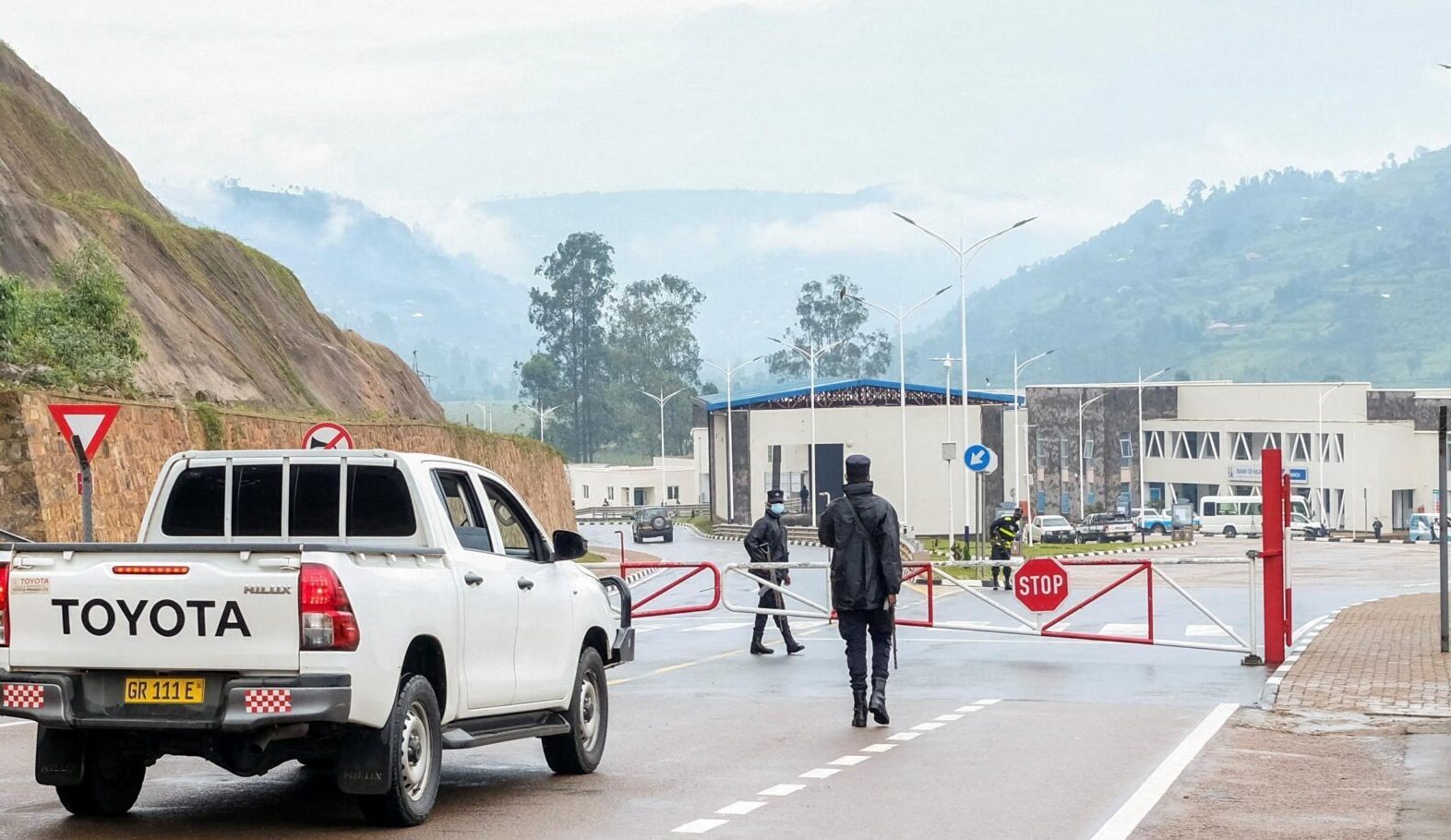

Planning a trip from Kigali, Rwanda, to Kampala, Uganda? Choosing the right Kigali to Kampala…
Car Rental Insurance in Rwanda: What Drivers Need to Know

Renting a car in Rwanda is a convenient way to explore Kigali, travel between cities, attend business meetings, and discover destinations such as Volcanoes National Park and Lake Kivu. Whether you are visiting Rwanda for a holiday or need a vehicle for work, understanding car rental insurance is an important part of planning your journey.
Before booking a rental car, it is worth taking time to understand what insurance protection is included in the rental agreement, what responsibilities you have as a driver, and whether additional charges could apply if the vehicle is damaged. These details can help you make a more informed decision and avoid misunderstandings during your rental period.
At Rwanda Cars for Rental, choosing a suitable vehicle should go hand in hand with understanding the rental conditions. In this guide, we explain the main insurance terms drivers should know, the questions to ask before collecting a vehicle, and the precautions that can help you enjoy a more confident driving experience in Rwanda.
What Is Car Rental Insurance?
Car rental insurance refers to insurance protection associated with the use of a rented vehicle. Depending on the policy, rental agreement, and insurance provider, it may help cover certain costs arising from accidents, damage to the vehicle, theft, or liability for injury or property damage involving other people.
However, not every rental agreement provides the same level of protection. Some arrangements may include particular insurance coverage in the rental price, while others may have exclusions, excess payments, or optional protection products.
For this reason, drivers should never assume that every possible accident or expense is covered simply because they have rented a vehicle.
Before confirming your booking, ask the rental company to explain the insurance arrangements in clear language. Make sure you understand what is included, what is excluded, and what you may have to pay if an incident occurs.
What Does Car Rental Insurance in Rwanda Cover?
The exact protection available depends on the insurance policy and rental agreement. The following are common types of coverage or protection that drivers may encounter when renting a vehicle.
Third-Party Liability Coverage
Third-party liability insurance generally relates to certain claims involving injury to other people or damage to their property when the insured driver is legally responsible. The precise protection and limits depend on the applicable policy and law.
When renting a vehicle in Rwanda, ask whether the rental arrangement includes the required third-party cover and what the policy limits and conditions are.
Remember that third-party liability cover does not automatically mean that damage to the rental vehicle itself is covered.
Collision or Vehicle Damage Protection
Some rental arrangements offer collision damage protection or similar cover for damage to the rented vehicle. Such protection may be subject to an excess, exclusions, and specific reporting requirements.
For example, if a rented vehicle is damaged in a collision, the amount you are responsible for may depend on the agreement and the circumstances of the incident.
Ask the rental company whether vehicle damage is covered, how the excess is calculated, and which types of damage are excluded.
Theft Protection
Theft protection, where included, may provide cover for the loss of a rented vehicle if it is stolen under circumstances covered by the policy.
It is important to check whether theft protection is included, whether an excess applies, and what steps you must take if the vehicle is stolen. Requirements may include reporting the incident to the police and notifying the rental company promptly.
Do not assume that theft protection automatically covers personal belongings left inside the vehicle.
Personal Accident or Medical Protection
Some rental arrangements may offer personal accident benefits or other protection relating to injuries. The benefits, eligible passengers, limits, and exclusions can vary significantly.
Ask whether any personal accident protection is included and whether you need separate travel or medical insurance for your trip.
These categories are examples of common insurance terms, not a confirmation that every type of cover is provided by every rental company in Rwanda.
What Is an Insurance Excess or Deductible?
An insurance excess, also known as a deductible in some markets, is an amount that may remain your responsibility when an insurance claim is made. Whether you must pay it, and how much you could owe, depends on the policy and rental agreement.
For example, imagine that a rental agreement specifies an excess of a particular amount for covered vehicle damage. If an eligible claim is accepted, you may still be responsible for costs up to that excess, subject to the agreement’s terms.
This is why it is important to understand the excess before booking a vehicle rather than discovering it after an accident.
Ask these questions before signing your rental agreement:
- Does the rental price include insurance?
- Is there an excess or deductible?
- How much could I be responsible for following covered damage?
- Can the excess vary depending on the type of incident?
- Are there circumstances in which the protection becomes invalid?
- Is any optional protection available to reduce my financial responsibility?
Request clear explanations of any additional charges so that you can budget for your trip accurately.
What Is Not Usually Covered by Rental Insurance?
Insurance policies and rental agreements contain exclusions that explain which incidents, costs, or circumstances are not covered. These exclusions vary, so always check the actual terms rather than relying on general assumptions.
Depending on the policy, exclusions or limitations may relate to:
- Driving under the influence of alcohol or drugs.
- Allowing an unauthorised person to drive the vehicle.
- Using the vehicle in a way prohibited by the rental agreement.
- Driving outside an approved geographical area.
- Damage arising from prohibited off-road use.
- Failing to report an accident or comply with required procedures.
- Negligence, misuse, or failure to take reasonable care of the vehicle.
- Lost keys, interior damage, tyres, glass, or underbody damage where specifically excluded.
These are examples of possible restrictions, not a definitive list of exclusions for Rwanda Cars for Rental. The applicable policy determines what is and is not covered.
Before starting your journey, make sure you know which roads and areas you are permitted to drive in, whether cross-border travel is authorised, and what to do if the vehicle develops a problem.
Car Rental Insurance for Self-Drive in Rwanda
Self-drive car rental gives you greater independence because you can organise your own schedule and choose when to travel. However, when you rent a vehicle for self-drive, it is particularly important to understand your responsibilities as the driver.
Before collecting your vehicle, confirm that you meet the rental company’s driving licence requirements and that you are authorised to drive under the rental agreement.
You should also:
- Read the insurance terms before signing the agreement.
- Confirm who is permitted to drive the vehicle.
- Check whether travel outside Rwanda is allowed and what additional documents or approvals may be required.
- Inspect the vehicle and record any existing damage.
- Save the rental company’s contact information.
- Ask how to report an accident, breakdown, or theft.
- Follow the agreed vehicle-use conditions throughout the rental period.
If you plan to visit national parks or travel on rough roads, confirm that the selected vehicle is suitable for your route and that the proposed use is permitted by the rental agreement and insurance policy.
For journeys requiring additional ground clearance or four-wheel drive, explore the available vehicle options and confirm the relevant conditions before booking.
Does Insurance Differ Between Self-Drive and Chauffeur-Driven Rentals?
Self-drive and chauffeur-driven rentals involve different responsibilities, so it is worth asking how insurance and liability are handled under each arrangement.
With self-drive rental, the customer operates the vehicle and must comply with the driving and vehicle-use conditions in the agreement.
With chauffeur-driven rental, a professional driver operates the vehicle. The arrangement may have different terms relating to driving responsibilities, accident reporting, and liability.
However, having a chauffeur does not automatically mean that every accident, injury, or item of property damage is covered. The actual policy and service agreement remain important.
When comparing the two options, ask:
- Who is responsible for driving the vehicle?
- What insurance cover is included in the service?
- How are accidents and vehicle damage handled?
- Are passengers covered under any applicable protection?
- What additional costs could arise following an incident?
Understanding these details helps you select the rental arrangement that best suits your trip.
What Should You Check Before Collecting a Rental Car?
Taking a few minutes to check the vehicle and paperwork can help prevent disputes and make the rental process smoother.
Inspect the Vehicle
Walk around the vehicle and look for visible scratches, dents, cracked lights, damaged mirrors, and other existing defects. Check the tyres and note any damage you find.
Take photographs or videos of the vehicle before departure, ensuring that the images clearly show its condition. Ask the rental representative to record any existing damage on the inspection form.
Read the Rental Agreement
Check the rental period, mileage conditions, fuel policy, authorised drivers, insurance details, excess, and rules concerning where the vehicle may be driven.
If anything is unclear, ask for an explanation before signing.
Save Emergency Contacts
Keep the rental company’s telephone number and any relevant emergency contact information accessible throughout the trip. Ask which steps to follow if you have an accident, experience a breakdown, or discover that the vehicle has been stolen.
Understand Accident Reporting Procedures
Ask whether you must contact the police, the insurer, or the rental company after an incident, and in what order. Follow the instructions provided in the rental agreement and policy.
Avoid making assumptions about what evidence or documents will be required. Clear instructions before departure can save time and reduce confusion if something happens.
How to Choose the Right Rental Car for Your Journey
Insurance is only one part of choosing a rental vehicle. Your destination, number of passengers, luggage, road conditions, and length of stay also matter.
For travel around Kigali, a standard car may be suitable depending on your itinerary. For longer journeys or trips involving rougher roads, you may want to compare vehicles with more space or higher ground clearance.
If you plan to visit Rwanda’s national parks, ask about the recommended vehicle type for your route and confirm that the planned journey is permitted under the rental agreement.
You should also consider whether self-drive or chauffeur-driven service better suits your experience, schedule, and travel needs.
Before booking, compare the total rental cost, the included services, the insurance conditions, and any additional fees. The lowest advertised price is not necessarily the best option if important conditions are unclear.
Questions to Ask Before Booking Car Rental Insurance in Rwanda
Before confirming a rental, use the following checklist to make sure you understand the important terms.
Insurance and protection
- What insurance is included in the rental price?
- What risks and types of damage are covered?
- What are the policy limits and exclusions?
- Does an excess or deductible apply?
Driver requirements
- Which driving licences are accepted?
- Must every additional driver be registered?
- Are there age or driving-experience requirements?
Vehicle use
- Are there restrictions on certain roads or destinations?
- Is cross-border travel permitted with prior approval?
- Are there specific conditions for national park visits?
Accidents and emergencies
- Who should I contact after an accident?
- What documents or reports are required?
- What happens if the vehicle is damaged or stolen?
Getting clear answers to these questions helps you understand your responsibilities and make a better-informed booking decision.
Frequently Asked Questions About Car Rental Insurance in Rwanda
Is car rental insurance included in the rental price in Rwanda?
It depends on the rental company, vehicle, and rental agreement. Ask the company to confirm which insurance cover is included and whether any excess or additional protection charges apply.
Do I need extra insurance when renting a car in Rwanda?
Not necessarily. The answer depends on the existing cover, your personal circumstances, and the risks you want to protect against. Review the rental policy and your existing travel or personal insurance before deciding whether additional protection is appropriate.
What happens if I damage a rental car in Rwanda?
Contact the rental company promptly and follow the accident or damage reporting procedures in your agreement. Your financial responsibility will depend on the applicable insurance policy, the circumstances of the incident, and any relevant exclusions or excess.
Does rental insurance cover theft?
Some rental arrangements offer theft protection, but it should never be assumed to be included. Confirm the terms, exclusions, reporting requirements, and any applicable excess before collecting the vehicle.
Can I drive a rental car from Rwanda into Uganda?
Cross-border travel depends on the rental company’s permission, the vehicle’s documentation, and the applicable insurance and border requirements. Obtain written approval and confirm the required documents and cover before crossing an international border.
Is a four-wheel-drive vehicle automatically better insured for safari travel?
No. A four-wheel-drive vehicle may be more suitable for certain routes, but the type of vehicle does not automatically determine the extent of insurance protection. Confirm both the vehicle’s suitability and the policy conditions for your intended journey.
What should I do if I have an accident in a rental car?
Prioritise everyone’s safety, contact emergency services if needed, and follow the relevant police, rental company, and insurer reporting procedures. Document the incident when safe to do so, and do not leave required reporting until later.
Conclusion
Understanding car rental insurance in Rwanda is an important step in preparing for a safe and well-organised journey. Before booking, take time to review the insurance included in your rental agreement, understand any excess or deductible, check the exclusions, and learn how to report accidents or other incidents.
Choosing the right vehicle, following the agreed driving conditions, and asking questions before departure can help you avoid misunderstandings during your rental period.
When planning your next trip, explore the available vehicle options from Rwanda Cars for Rental and ask the team to explain the applicable rental conditions and insurance arrangements before confirming your booking. With clear information and suitable preparation, you can make a more confident decision about your journey through Rwanda.
Related Posts