
Explore Kigali by Rental Car: A Complete Guide to Self-Drive City Tours A Kigali city…
Understanding a Car Rental Agreement in Rwanda: Customer Rights and Responsibilities

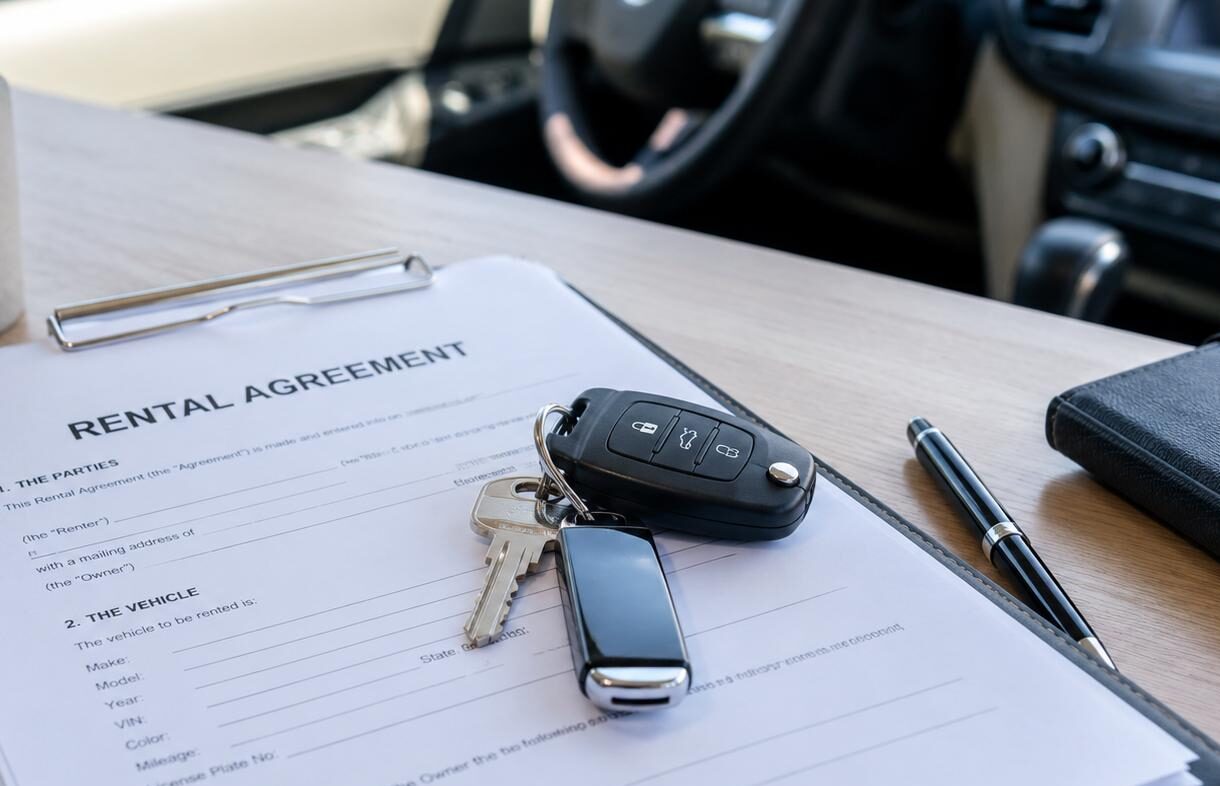
A car rental agreement in Rwanda is an important document that explains the responsibilities of both the customer and the rental company during a vehicle hire arrangement. Whether you are renting a car for business meetings in Kigali, planning a self-drive holiday or travelling to Rwanda’s national parks, understanding the agreement can help you avoid misunderstandings and protect your interests.
Many customers concentrate on the vehicle model, daily rental price and booking dates without paying enough attention to the contract. However, the agreement may contain important conditions concerning who can drive the vehicle, insurance coverage, accidents, mechanical problems, payment obligations and returning the car.
Before signing a rental contract, it is important to understand what you are agreeing to and what responsibilities each party accepts. This guide explains the main sections of a car rental agreement in Rwanda and the questions customers should understand before collecting their vehicles.
1. What Is a Car Rental Agreement?
A car rental agreement is a written contract between a vehicle owner or rental company and the person hiring the vehicle. It establishes the terms under which the customer is allowed to use the car for an agreed period.
The document normally identifies the vehicle, rental duration, payment arrangements, insurance conditions and responsibilities of the parties involved.
For example, someone renting a Toyota RAV4 in Kigali for a week should have an agreement explaining the rental period, agreed price, authorised drivers and conditions for returning the vehicle.
A properly written agreement helps both parties understand their obligations and provides a reference if a disagreement occurs during the rental period.
If you are still comparing vehicle options and costs, read our guide to Rwanda car rental prices before choosing a rental arrangement.
2. Customer Responsibilities Under a Car Rental Agreement
When you rent a vehicle, you accept certain responsibilities. These conditions are important because the rental company is allowing you to use its vehicle under agreed terms.
Although individual contracts differ, customers should understand the following responsibilities.
Using the Vehicle for Its Intended Purpose
Customers should use the rental vehicle responsibly and according to the conditions of the agreement. This includes respecting applicable traffic regulations and avoiding prohibited activities.
For example, if you rent a standard passenger vehicle for travelling around Kigali, you should not use it for activities outside the permitted rental conditions.
If your journey involves visiting remote destinations, discuss the route and vehicle suitability with the rental company before departure.
Allowing Only Authorised Drivers
A rental agreement should explain who is permitted to drive the vehicle.
If you intend to share driving responsibilities with a colleague, partner or family member, ask whether additional drivers must be registered or approved.
Allowing an unauthorised person to drive may breach the rental agreement and could affect insurance protection.
Taking Reasonable Care of the Vehicle
Customers are expected to take reasonable care of rental vehicles during the booking period.
This includes locking the vehicle when unattended, parking responsibly, checking warning lights and reporting mechanical problems or damage.
You should also avoid making unauthorised modifications or repairs without contacting the rental company.
Returning the Vehicle as Agreed
The contract should explain when and where the vehicle must be returned.
Customers should respect the agreed return date and time and communicate with the rental company if they need an extension.
The agreement may also explain the expected vehicle condition, fuel level and equipment that must be returned.
3. Responsibilities of the Car Rental Company
A rental agreement should not only explain what the customer must do. It should also clarify what the rental company is responsible for providing.
Before signing, understand the company’s commitments regarding the vehicle and rental service.
These may include:
-
Providing the agreed vehicle or communicating if a replacement is necessary.
-
Explaining the rental price and applicable charges.
-
Providing information about insurance coverage.
-
Explaining the vehicle’s operating requirements.
-
Communicating the collection and return arrangements.
-
Providing contact details for reporting emergencies or mechanical problems.
-
Explaining the procedure for reporting accidents or damage.
Customers should ask questions whenever a responsibility is unclear. A professional rental arrangement should make the expectations of both parties understandable.
4. Who Is Responsible If the Rental Car Gets Damaged?
Vehicle damage is one of the most important issues to understand before signing a car rental agreement in Rwanda.
An agreement should explain how responsibility is determined if the vehicle is scratched, involved in an accident or damaged during the rental period.
However, customers should not automatically assume that they are responsible for every type of damage, or that insurance covers every situation.
The contract should explain:
-
How existing damage is recorded before collection.
-
What the customer must do after an accident.
-
Whether an insurance excess or deductible applies.
-
Which types of damage are excluded from insurance.
-
How repair costs are assessed.
-
Whether the rental company must approve repairs.
Before collecting the vehicle, inspect it carefully and photograph existing scratches, dents, windows, mirrors and tyres. Ensure that any existing damage is recorded in the vehicle inspection document.
If an accident occurs, prioritise safety, follow applicable reporting requirements and contact the rental company immediately. Do not arrange major repairs without following the agreed procedure, except where immediate action is necessary for safety.
5. Understanding Insurance Conditions in the Rental Agreement
Insurance is another important section of a rental contract. Customers should understand what protection is included and what financial responsibilities may remain.
Different rental arrangements may provide different insurance conditions. Therefore, never assume that all rental vehicles have identical coverage.
Ask the rental company to explain:
Insurance coverage: What types of incidents are covered under the policy?
Excess or deductible: Is there an amount the customer may have to contribute following an insured incident?
Exclusions: Are there situations in which insurance protection does not apply?
Accident reporting: Who should be contacted, and what documents or reports are required?
Third-party damage: What protection applies if another person or vehicle is involved?
Understanding these conditions is particularly important when choosing a vehicle for longer journeys.
For more information about vehicle options, visit Rwanda Cars for Rental and discuss the type of vehicle that suits your travel plans.
6. What Happens If the Rental Vehicle Breaks Down?
Mechanical problems can occur even when a vehicle has been properly maintained. A rental agreement should explain the procedure customers must follow if the vehicle develops a mechanical fault.
Before departure, ask the rental company:
-
Which contact should I call if the vehicle breaks down?
-
Is roadside assistance available?
-
Who organises towing or repairs?
-
Will a replacement vehicle be provided if necessary?
-
How are delays or unused rental days handled?
Do not continue driving if the vehicle displays a serious warning light, develops a dangerous mechanical problem or becomes unsafe to operate.
Contact the rental company and follow its instructions. The agreement should clarify the responsibilities of both parties in these circumstances.
7. Rental Payments, Deposits and Refund Conditions
A rental contract should clearly explain the financial arrangement between the customer and the rental company.
This includes the agreed rental price, payment schedule, security deposit and any conditions that may affect refunds.
Customers should understand the difference between a rental payment and a refundable security deposit.
A rental payment covers the agreed vehicle hire service. A security deposit, where required, may be held as security against certain obligations under the contract.
Before signing, confirm:
-
The total agreed rental price.
-
The payment method and payment deadline.
-
Whether a deposit is required.
-
When the deposit will be refunded.
-
What deductions may be made.
-
How additional charges are calculated.
For a better understanding of rental costs, see our article on car rental prices in Rwanda.
8. Can You Cancel a Car Rental Agreement in Rwanda?
Travel plans sometimes change. A flight may be delayed, a business meeting may be cancelled or a holiday itinerary may need to be adjusted.
That is why customers should understand the cancellation and amendment conditions before confirming a booking.
A rental agreement should explain:
-
How much notice is required to cancel.
-
Whether cancellation fees apply.
-
Whether a booking deposit is refundable.
-
How date changes are handled.
-
What happens if the rental company cannot provide the agreed vehicle.
Do not assume that cancelling a reservation automatically means receiving a full refund. The outcome depends on the agreed booking conditions.
If your travel dates change, contact the rental company as early as possible and request written confirmation of any revised arrangements.
9. What Happens If You Return the Vehicle Late?
Rental agreements usually specify a return date and time. Customers should understand what happens if they cannot return the vehicle as scheduled.
For instance, you may experience a delay when travelling from Akagera National Park to Kigali or encounter unexpected changes to your business schedule.
The agreement should explain whether late returns attract hourly charges, an additional rental day or another agreed fee.
If you expect to be late, contact the rental company before the return deadline. Request approval for an extension and confirm the additional cost in writing.
You can also discuss your expected travel schedule when arranging car rental in Kigali.
10. What Should You Do If There Is a Disagreement With the Rental Company?
Disagreements can arise when customers and rental companies interpret contract conditions differently.
For example, a customer may disagree with a damage deduction, an additional payment or a decision concerning a refundable deposit.
If this happens, start by reviewing the signed agreement and collecting relevant documents.
Useful records may include:
-
The signed rental agreement.
-
Payment receipts.
-
Booking confirmation messages.
-
Vehicle inspection photographs.
-
Written communication with the rental company.
-
Accident or damage reports, where applicable.
Contact the rental company and explain the issue clearly. Refer to the relevant contract terms and request a written explanation of any disputed charge.
If the matter cannot be resolved directly, you may seek guidance from the relevant consumer protection or legal authorities in Rwanda.
Customers should not sign documents they do not understand or accept unexplained deductions without asking for clarification.
11. Important Documents to Keep During Your Rental Period
Keeping the relevant documents makes it easier to confirm the agreed rental conditions and resolve questions if they arise.
Depending on your rental arrangement, retain:
-
A copy of the signed rental agreement.
-
Your booking confirmation.
-
Payment receipts.
-
Vehicle inspection records.
-
Relevant insurance information.
-
Contact details for the rental company.
-
Written approval for any booking extensions or special arrangements.
Keep these documents accessible throughout your rental period, particularly when travelling outside Kigali.
12. Why Clear Rental Agreements Matter When Hiring a Car in Rwanda
A clear rental agreement helps create a better relationship between the customer and the rental company. It reduces uncertainty by explaining the vehicle hire conditions before the journey begins.
For international visitors, business travellers and local residents, understanding the contract makes it easier to plan transport with confidence.
Whether you need an automatic vehicle for city driving, an SUV for family travel or a 4×4 for visiting Rwanda’s national parks, choose a rental arrangement that clearly explains the vehicle, price and responsibilities involved.
You can explore the available services at Rwanda Cars for Rental and discuss your requirements before confirming your reservation.
Frequently Asked Questions About Car Rental Agreements in Rwanda
1. What is included in a car rental agreement in Rwanda?
A car rental agreement generally explains the vehicle being hired, rental period, price, payment conditions, insurance arrangements, customer responsibilities and vehicle return requirements. Exact terms depend on the rental company and agreement.
2. Is a written car rental agreement necessary in Rwanda?
A written agreement is strongly recommended because it records the conditions accepted by both parties. It provides a reference for the rental period, payments, responsibilities and procedures if a disagreement occurs.
3. Who is responsible for damage to a rental car?
Responsibility depends on the circumstances, insurance conditions and rental agreement. Customers should understand the applicable excess, exclusions and accident reporting procedures before collecting the vehicle.
4. Can another person drive my rental car in Rwanda?
This depends on the rental agreement. Additional drivers may need to be registered and approved by the rental company. Always obtain permission before allowing someone else to drive.
5. What happens if my rental car breaks down?
Contact the rental company using the emergency or assistance number provided. Follow its instructions and check the agreement for roadside assistance, repairs and replacement vehicle arrangements.
6. Can I extend my car rental period in Rwanda?
Extensions may be possible, subject to vehicle availability and rental company approval. Contact the company before your original return deadline and request written confirmation of the revised rental period and price.
7. What should I do before signing a car rental agreement?
Read the complete agreement, understand the payment and insurance conditions, confirm authorised drivers, review damage responsibilities and check the return arrangements. Ask for clarification before signing anything you do not understand.
Arrange Your Car Rental in Rwanda With Confidence
Understanding your rental agreement is an important step towards having a smooth driving experience in Rwanda. When both the customer and rental company understand their responsibilities, it becomes easier to avoid misunderstandings and manage unexpected situations.
At Rwanda Cars for Rental, we help customers arrange vehicle hire for city travel, business journeys, family holidays and longer trips across Rwanda.
Whether you are looking for an automatic car, a comfortable SUV or a 4×4 vehicle, contact us to discuss your preferred vehicle, rental dates and travel requirements.
Email: rwandacarsforrental@gmail.com
WhatsApp/Phone: +250 785 412 878
Website: https://rwandacarsforrental.com/
Related Posts