
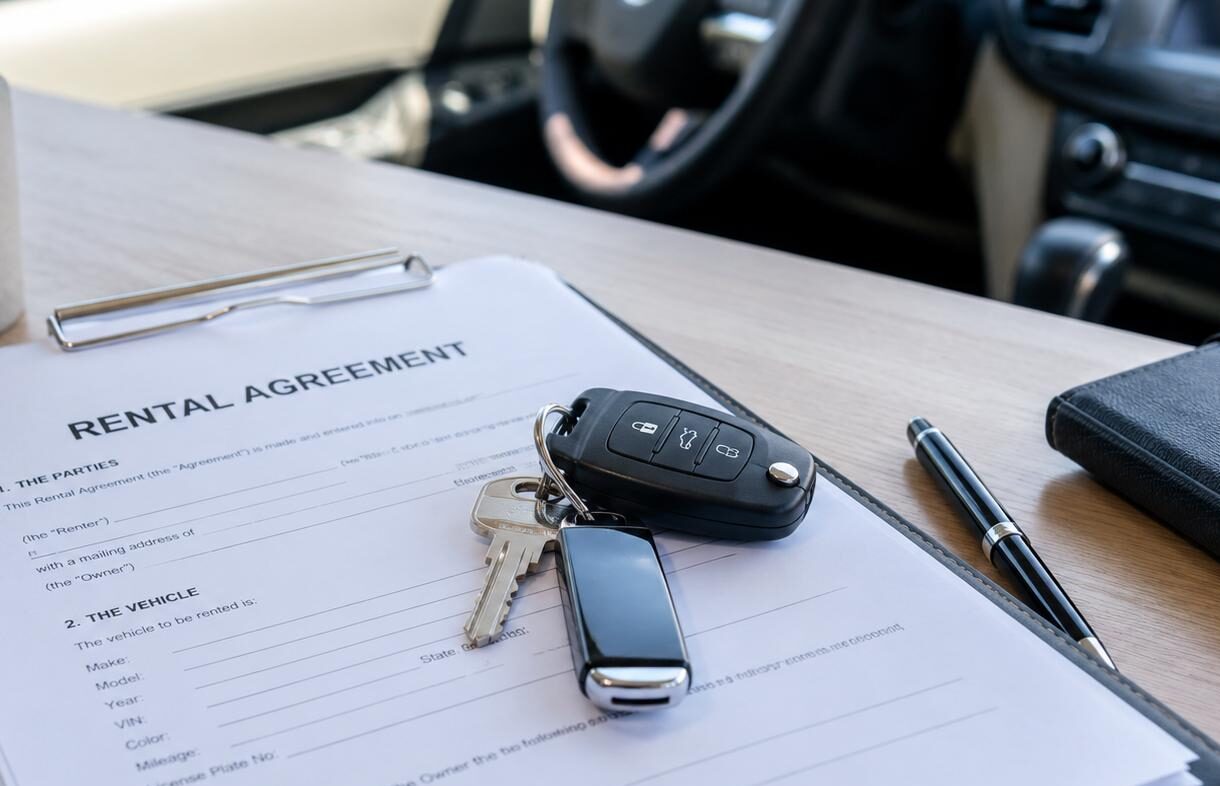
A car rental agreement in Rwanda is an important document that explains the responsibilities of…
How to Avoid Hidden Charges When Renting a Car in Rwanda
Hidden charges when renting a car in Rwanda can turn an affordable booking into an unexpectedly expensive experience. Whether you are visiting Kigali for business, planning a self-drive holiday, travelling to Akagera National Park or exploring destinations such as Musanze and Lake Kivu, understanding the rental conditions before paying is essential.
Many travellers compare car rental prices before making a reservation, but the daily rate is not always the only cost to consider. Insurance coverage, fuel policies, mileage limits, security deposits, late returns and additional services can affect the final amount you pay. Taking time to understand these details helps you avoid misunderstandings and choose a rental company that offers transparent terms.
At Rwanda Cars for Rental, we encourage customers to understand the rental conditions before confirming their booking. If you are comparing prices, you can also read our guide to Rwanda car rental prices to understand the factors that influence the cost of hiring a vehicle.
1. Always Confirm the Total Car Rental Price Before Booking
One of the most common mistakes when renting a car is looking only at the advertised daily rate. A vehicle may appear affordable at first, but additional services or conditions could increase the final cost.
Before confirming your reservation, ask the rental company for a clear quotation showing the total expected price. Confirm how many rental days are included, whether delivery or collection is charged separately, and whether any additional services will affect the amount.
For example, if you are arranging car rental in Kigali, ask whether the quoted price includes delivery to your hotel, office or another agreed location.
A transparent quotation should help you understand what you are paying for before you make a deposit or confirm your booking.
2. Understand What Insurance Covers
Insurance is an important part of renting a car in Rwanda. However, not every rental agreement provides the same level of protection.
Some customers assume that insurance covers every possible accident or type of vehicle damage. This is not necessarily true. Depending on the rental agreement, certain damages, exclusions or customer responsibilities may still apply.
Before collecting your vehicle, ask:
-
What type of insurance is included in the rental price?
-
Is there an excess or deductible in case of an accident?
-
Are tyres, windscreens and underbody damage covered?
-
What happens if the vehicle is damaged during the rental period?
-
Are there any situations where the customer becomes responsible for repair costs?
Read the insurance conditions carefully and request clarification before signing the agreement. Understanding the coverage can help you avoid unexpected financial responsibility later.
3. Ask Whether There Is a Security Deposit
Some car rental companies require a refundable security deposit before handing over a vehicle. This deposit may be held against possible damage, missing equipment, unpaid charges or other responsibilities stated in the agreement.
Before paying, confirm the deposit amount, accepted payment method and conditions for receiving your money back.
You should also ask:
-
Is the deposit refundable?
-
When will it be returned?
-
What deductions can be made?
-
Is the deposit separate from the rental payment?
Do not assume that every rental company uses the same deposit policy. Make sure the conditions are clearly explained in writing.
4. Check the Fuel Policy Before Driving Away
Fuel policies can create misunderstandings if the rental company and customer have different expectations.
For example, a company may provide a vehicle with a certain fuel level and expect it to be returned with the same amount. If the vehicle is returned with less fuel, the agreement may allow additional fuel charges.
Before collecting your rental car, confirm:
-
How much fuel is in the vehicle?
-
Should you return it with the same fuel level?
-
Are fuel costs included in the rental price?
-
Is there a separate refuelling or service charge?
Take a photograph of the dashboard showing the fuel level when collecting and returning the vehicle. This simple step can help prevent disagreements.
5. Confirm Whether Mileage Is Limited
Mileage restrictions are another detail worth checking, especially if you are planning to explore different parts of Rwanda.
A trip from Kigali to Musanze, Lake Kivu, Nyungwe National Park or Akagera National Park can involve considerable driving. If your rental agreement includes a daily mileage allowance, exceeding it could result in additional charges.
Before booking, ask whether the rental includes unlimited mileage or a daily distance allowance. If there is a limit, find out how extra kilometres are charged.
This is particularly important when comparing self-drive car rental in Rwanda options for longer journeys.
Choose a rental arrangement that suits your actual travel plans rather than selecting a vehicle based only on its advertised daily price.
6. Ask About Airport Pickup and Vehicle Delivery Fees
Many international visitors prefer collecting their rental vehicles at Kigali International Airport because it makes travelling after arrival easier.
However, airport collection, hotel delivery and vehicle drop-off arrangements can differ between rental companies. Some may include these services in their quotations, while others may charge separately.
Before confirming your booking, ask whether:
-
Kigali International Airport pickup is included.
-
Hotel or accommodation delivery costs extra.
-
Returning the vehicle at a different location attracts a fee.
-
Pickup outside normal working hours involves an additional charge.
If you need a vehicle immediately after landing, arrange the collection details in advance. You can also contact Rwanda Cars for Rental to discuss your preferred pickup location and travel arrangements.
7. Understand Late Return and Rental Extension Charges
Sometimes travel plans change. You may need to keep the vehicle for an extra day, return later than expected or extend your journey because of a change in schedule.
However, rental companies may have specific rules about late returns and extensions.
Before booking, ask what happens if you return the vehicle late. Find out whether the company charges by the hour or applies another daily rental fee. If you want to extend your booking, contact the company before the original return time and request confirmation of the new price.
Do not assume that keeping a vehicle for a few extra hours will be free.
8. Check Additional Driver and Equipment Charges
If you are travelling with a partner, colleague or family member, you may want another person to drive the rental vehicle.
Some rental agreements require additional drivers to be registered, and extra charges may apply. It is important to confirm this before allowing another person to drive.
You should also ask whether optional equipment or services attract additional fees. These may include:
-
Child safety seats.
-
GPS navigation equipment.
-
Camping equipment.
-
Additional driving services.
-
Special vehicle delivery arrangements.
For example, if you are interested in a Toyota Prado rental with a rooftop tent in Rwanda, confirm exactly which camping equipment is included and whether any accessories cost extra.
9. Ask About Cross-Border Travel Charges
If you intend to drive from Rwanda into Uganda or another neighbouring country, do not assume that your standard rental agreement automatically permits international travel.
Cross-border journeys may require additional documentation, insurance arrangements, written permission or extra fees, depending on the rental company and destination.
Before booking, explain your intended route and ask:
-
Is cross-border travel permitted?
-
Is written authorisation required?
-
Are additional insurance arrangements necessary?
-
Are there cross-border service or documentation fees?
-
What documents must you carry?
Always obtain permission before taking a rental vehicle outside Rwanda. This is particularly important for travellers planning regional road trips.
10. Inspect the Vehicle and Record Existing Damage
Before driving away, inspect the rental vehicle carefully. This is one of the simplest ways to protect yourself from disputes over damage.
Walk around the vehicle and check the exterior, windows, mirrors, tyres, lights and interior. Take clear photographs or a short video showing its condition.
Pay attention to:
-
Scratches and dents.
-
Cracked windows or damaged mirrors.
-
Tyre condition.
-
Fuel level.
-
Dashboard warning lights.
-
Existing interior damage.
-
Spare tyre and other supplied equipment.
Ask the rental representative to record any existing damage on the vehicle inspection form. Make sure both parties agree on the vehicle’s condition before you leave.
11. Read the Rental Agreement Before Signing
A rental agreement is more than a formality. It explains the responsibilities of the rental company and the customer throughout the booking period.
Before signing, carefully review the rental duration, payment terms, insurance conditions, deposit requirements, fuel policy, mileage allowance and vehicle return arrangements.
If a charge is unclear, ask for an explanation. Do not rely only on verbal promises, especially when they concern payments or refunds. Request written confirmation of any special arrangements.
A few minutes spent reviewing the agreement can prevent unnecessary problems during your trip.
12. Choose a Rental Company That Explains Its Charges Clearly
The cheapest advertised price does not always represent the best rental deal. A reliable rental company should be willing to explain its conditions, answer questions and provide a clear quotation before you confirm your booking.
Look for a company that communicates clearly about vehicle availability, rental duration, insurance, deposits and additional services.
If you are still comparing options, visit Rwanda Cars for Rental to explore available vehicle rental services and discuss your transport requirements.
Whether you need an automatic car for driving around Kigali, an SUV for a family holiday or a 4×4 for exploring Rwanda’s national parks, make sure the rental arrangement matches your journey and budget.
Related Posts