
Waterfalls in Rwanda: Best Places and Trails to Explore Rwanda is famous for its green…
Gishwati-Mukura National Park Rwanda: A Complete Guide to Chimpanzee Tracking, Forest Hiking and Wildlife
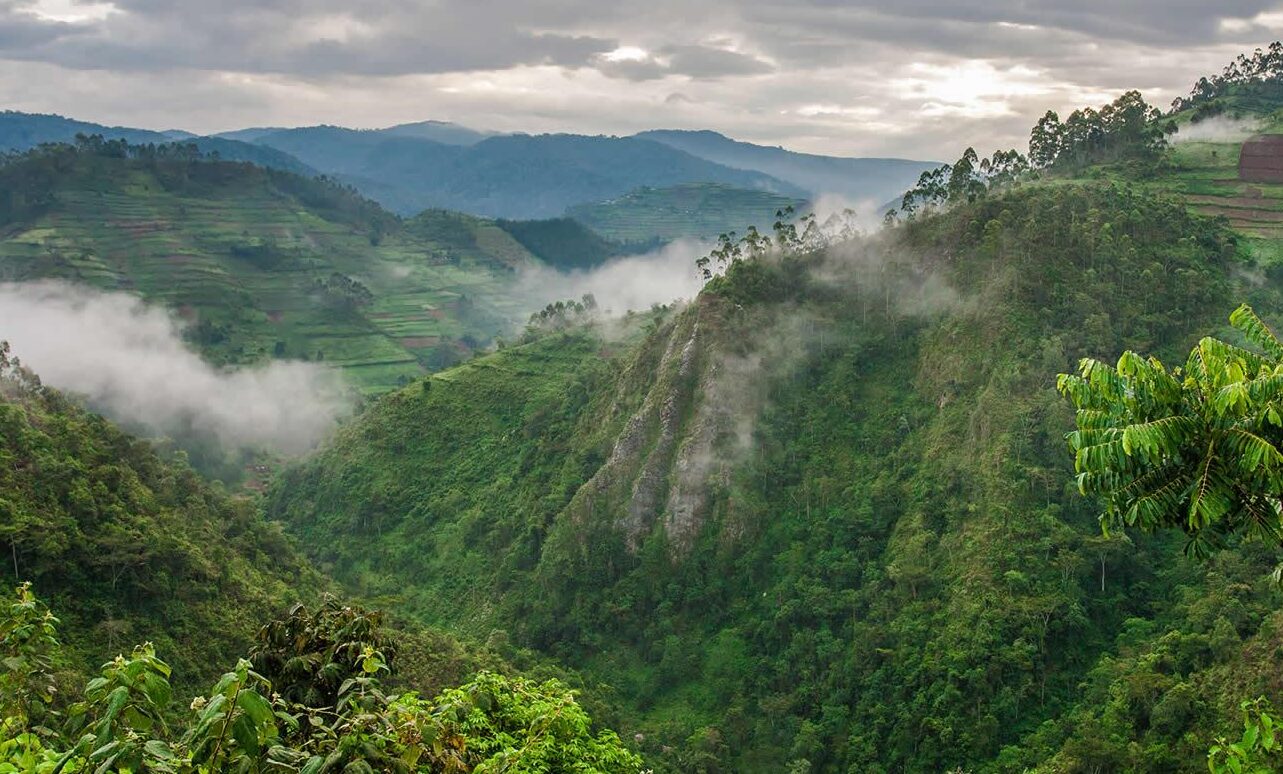
Rwanda is home to some of Africa’s most beautiful natural attractions, including tropical rainforests, volcanic mountains, wildlife reserves and breathtaking landscapes. While many international visitors travel to Volcanoes National Park for mountain gorilla trekking or Akagera National Park for wildlife safaris, there is another remarkable destination waiting to be discovered: Gishwati-Mukura National Park.
Located in western Rwanda, Gishwati-Mukura National Park is an important conservation destination offering visitors opportunities to explore tropical forests, discover different primate species, enjoy guided nature walks and experience Rwanda’s rich biodiversity.
For travelers looking for something different from the country’s more established tourist destinations, this national park provides an opportunity to experience Rwanda’s natural environment in a quieter and less crowded setting.
The park is particularly interesting for visitors interested in chimpanzee tracking, golden monkeys, birdwatching, forest hiking, waterfalls and community-based tourism.
Whether you are planning a wildlife adventure, a nature holiday or a longer Rwanda road trip, visiting Gishwati-Mukura National Park can add a special experience to your itinerary.
In this complete guide, we explain where Gishwati-Mukura National Park is located, what to see, activities to enjoy, the best time to visit, how to get there from Kigali and why renting a suitable vehicle can make your journey more convenient.
1. Where Is Gishwati-Mukura National Park Located in Rwanda?
Gishwati-Mukura National Park is located in western Rwanda, within the Albertine Rift region, an area recognised for its exceptional biodiversity.
The national park consists of two separate forest areas: Gishwati Forest and Mukura Forest. Together, they cover approximately 34 square kilometres, excluding the surrounding buffer zone.
The park is associated with the districts of Rutsiro and Ngororero and forms part of Rwanda’s important forest conservation landscape.
Gishwati-Mukura became Rwanda’s fourth national park following its establishment in 2015. Its protection is important for conserving endangered wildlife, restoring forest ecosystems and supporting sustainable tourism in surrounding communities.
Unlike larger national parks that mainly attract visitors interested in traditional wildlife safaris, Gishwati-Mukura offers a different type of experience centred on rainforest exploration, primates, birds and community activities.
For official destination information, visit Visit Rwanda – Gishwati-Mukura National Park.
2. Why Is Gishwati-Mukura National Park Famous?
Gishwati-Mukura National Park is famous for its biodiversity, conservation importance and opportunities to explore Rwanda’s tropical rainforest environment.
Although it is smaller than some of Rwanda’s other national parks, it provides an important habitat for different wildlife species.
Here are some of the main reasons travellers should consider visiting.
Chimpanzee Tracking in Gishwati Forest
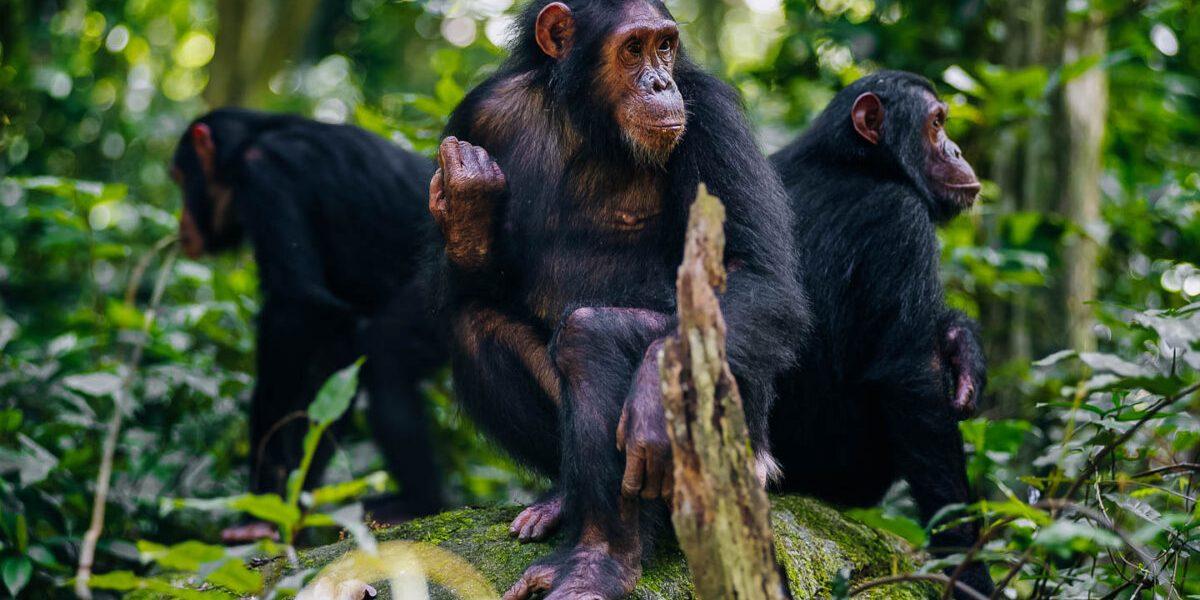
One of the most interesting attractions of Gishwati-Mukura National Park is its population of eastern chimpanzees.
Chimpanzees are intelligent and highly social primates that live in groups and spend much of their time moving through the forest in search of food.
Visitors may have the opportunity to join guided chimpanzee tracking experiences, depending on current park arrangements and availability.
Tracking chimpanzees provides an opportunity to learn about their behaviour, feeding habits, social relationships and the importance of protecting their natural habitat.
Unlike visiting a zoo, chimpanzee tracking takes place in the natural forest environment, where sightings are never guaranteed.
Visitors should follow their guide’s instructions, maintain appropriate distances and respect all wildlife protection guidelines.
For additional information about primate experiences in Rwanda, visit Visit Rwanda – Primate Tracking.
Golden Monkeys and Other Primate Species
Gishwati-Mukura is also associated with several other primate species, including golden monkeys, L’Hoest’s monkeys, blue monkeys and other forest-dwelling primates.
These animals contribute to the ecological importance of the forest and make the destination interesting for wildlife enthusiasts and nature photographers.
Golden monkeys are particularly attractive because of their distinctive appearance and active behaviour.
Visitors should confirm which primate-tracking activities are currently offered in their chosen forest sector before making travel arrangements.
Rich Birdlife and Birdwatching Opportunities
Gishwati-Mukura National Park is an important destination for birdwatching in Rwanda.
The forests support numerous bird species, including birds associated with the Albertine Rift region.
Birdwatchers may be interested in species such as the Rwenzori turaco, red-throated alethe, regal sunbird and other forest birds.
The diversity of birdlife makes the park attractive to experienced birdwatchers, photographers and travellers who enjoy discovering wildlife in natural environments.
For the best experience, consider travelling with a knowledgeable local birding guide and bringing binoculars and a camera.
Forest Conservation and Biodiversity
Gishwati-Mukura is also famous for its conservation and forest restoration efforts.
The forests experienced significant environmental pressure over the years, including deforestation and land-use changes.
Protecting these ecosystems helps restore natural habitats, conserve wildlife and support environmental sustainability.
By visiting responsibly and supporting community-based tourism, travellers can contribute to the continued importance of conservation in Rwanda.
3. Top Things to Do in Gishwati-Mukura National Park
There are several interesting activities to enjoy in and around Gishwati-Mukura National Park.
Whether you are interested in wildlife, photography, hiking or cultural experiences, the destination offers opportunities to discover a different side of Rwanda.
Guided Forest Nature Walks
One of the best ways to explore Gishwati-Mukura National Park is through guided forest walks.
These walks allow visitors to discover the tropical forest environment while learning about different plants, trees, birds and wildlife.
As you move through the forest, you may encounter beautiful vegetation, giant tree ferns, butterflies and different primate species.
A knowledgeable guide can explain the importance of the forest ecosystem and introduce visitors to the conservation efforts taking place in the area.
Forest hiking is particularly suitable for nature lovers who want to experience Rwanda beyond its popular safari destinations.
Visitors should wear comfortable walking shoes, carry drinking water and prepare for potentially muddy and uneven forest trails.
Chimpanzee Tracking Experience
Chimpanzee tracking is one of the experiences that makes Gishwati Forest particularly interesting for wildlife enthusiasts.
The activity involves walking through the forest with trained guides in search of chimpanzees.
During the experience, visitors can learn about chimpanzee behaviour, their natural habitat and the challenges involved in protecting these intelligent animals.
The experience can be physically demanding because the forest contains uneven terrain, thick vegetation and sometimes steep slopes.
Chimpanzee sightings are not guaranteed, so travellers should approach the activity as a wildlife conservation experience rather than expecting a specific animal encounter.
Before travelling, confirm current tracking arrangements, availability, age requirements and applicable permit information with the park authorities.
Birdwatching and Wildlife Photography
If you enjoy photography or birdwatching, Gishwati-Mukura National Park is worth considering.
The forest contains a variety of bird species, making it an interesting destination for visitors who want to discover Rwanda’s birdlife.
Photographers can also enjoy capturing the forest landscape, vegetation, butterflies and wildlife encountered during guided walks.
Early morning excursions can be particularly rewarding because forest birds and other wildlife may be active during the cooler hours.
Bring a good camera, binoculars and suitable clothing to make the most of your experience.
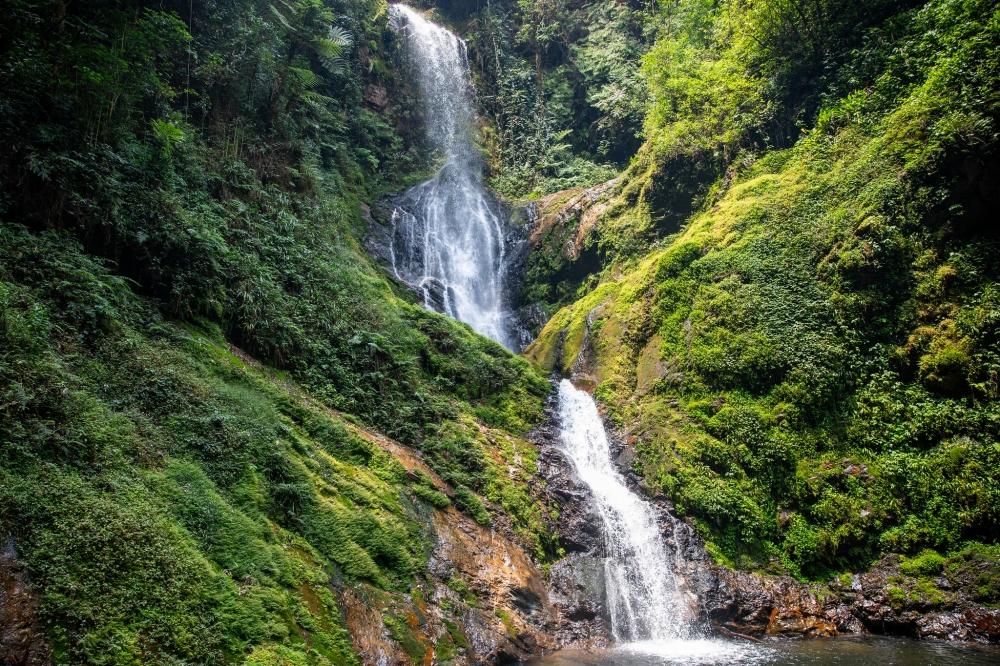
Visiting the Kazeneza Waterfall
Waterfalls are another attraction associated with the Gishwati forest area.
The Kazeneza Waterfall trail provides an opportunity to explore the natural beauty of the forest while enjoying the surrounding vegetation and flowing water.
The journey towards a waterfall can be an enjoyable part of a guided nature walk, particularly for travellers interested in landscape photography and outdoor adventures.
Visitors should confirm current trail accessibility and guiding arrangements before planning their visit.
Discovering Local Communities and Cultural Experiences
Gishwati-Mukura National Park is not only about wildlife and forests. The surrounding communities also offer opportunities to discover Rwanda’s cultural heritage.
Community-based tourism activities can include traditional cultural performances, local crafts, agricultural experiences and learning about traditional uses of medicinal plants.
Visitors can also learn about local farming activities and the relationship between surrounding communities and forest conservation.
These experiences make a visit more meaningful because they demonstrate how responsible tourism can support local livelihoods while encouraging environmental protection.
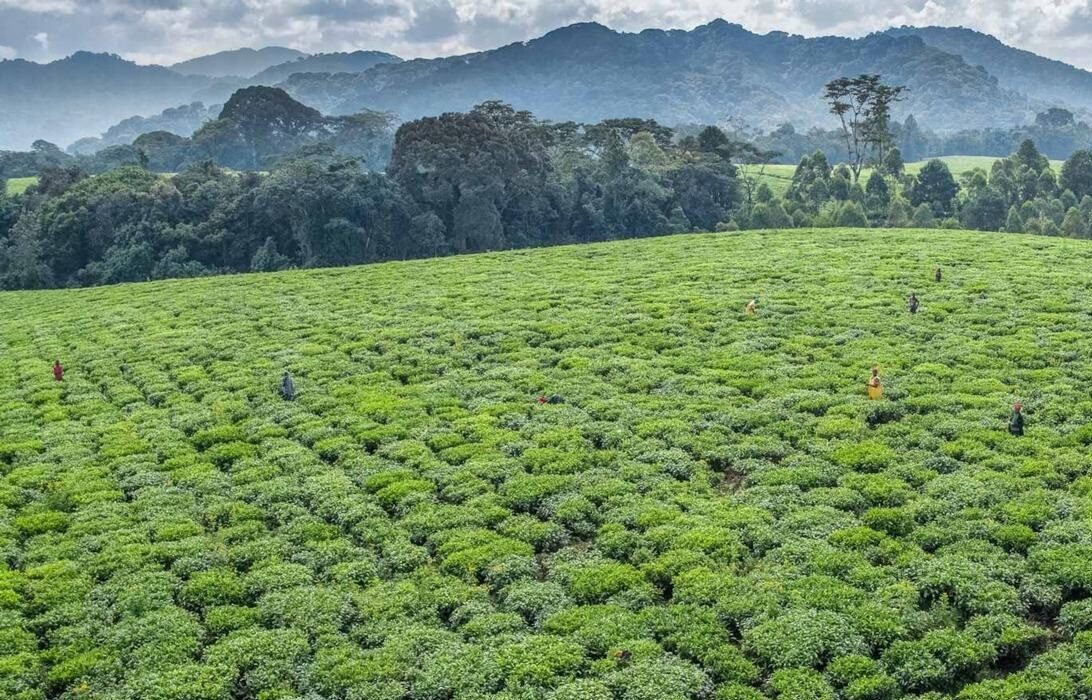
Exploring Tea Plantations Around Gishwati
The hills surrounding the Gishwati area also provide opportunities to discover Rwanda’s tea-growing landscapes.
Visitors interested in agriculture and rural tourism may enjoy learning about tea cultivation and the activities of local farming communities.
The surrounding green landscapes provide beautiful scenery for photography and countryside exploration.
If you are interested in learning more about Rwanda’s tea industry, read our guide to Rwanda’s tea plantations and the best places to discover Rwanda’s tea culture.
4. What Wildlife Can You See in Gishwati-Mukura National Park?
Gishwati-Mukura is an important habitat for several wildlife species.
The park is particularly recognised for its primates and birdlife.
Some of the wildlife associated with the forest includes:
- Eastern chimpanzees.
- Golden monkeys.
- L’Hoest’s monkeys.
- Blue monkeys.
- Black-and-white colobus monkeys.
- Vervet monkeys.
- Different forest bird species.
- Butterflies and other smaller forest wildlife.
The park also protects a variety of plant species, including indigenous trees and bamboo.
Wildlife sightings depend on the season, animal movements and forest conditions. Visitors should therefore avoid expecting to see every species during one visit.
A guided forest experience is one of the best ways to understand the biodiversity of this protected area.
5. What Is the Best Time to Visit Gishwati-Mukura National Park?
Rwanda can be visited throughout the year, but weather conditions can influence hiking, primate tracking and other outdoor activities.
The relatively drier periods are generally:
- June to September.
- December to February.
These months are often suitable for travellers interested in forest hiking and outdoor exploration because trails may be less muddy.
The rainy seasons generally occur from March to May and around October to November.
During rainy periods, the forest becomes particularly green, although walking trails can become slippery and more challenging.
Birdwatchers may also find rainy-season periods interesting because bird activity and breeding conditions can vary throughout the year.
Regardless of the season, it is important to check local weather conditions and activity availability before travelling.
6. How to Get to Gishwati-Mukura National Park from Kigali
Kigali is the main international arrival point for many tourists visiting Rwanda.
From Kigali, visitors can travel towards western Rwanda to reach the Gishwati-Mukura area.
The journey is generally around 2–3 hours or longer depending on the exact starting point, destination sector, road conditions and traffic.
Visitors can reach the area using:
Public transportation: Travellers can use public transport to reach nearby towns and arrange onward transportation, although this may require additional planning.
Private transfers: A private driver can provide convenient transportation from Kigali to the park area.
Car rental in Kigali: Renting a vehicle offers flexibility for travellers who want to explore Gishwati-Mukura and other destinations in western Rwanda.
For international visitors who want to discover several attractions during their holiday, car rental can make travelling between destinations more convenient.
If you are planning a longer journey, our guide on how to plan a Rwanda road trip from Kigali provides additional travel inspiration.
7. Is a 4×4 Vehicle Necessary to Visit Gishwati-Mukura National Park?
Choosing the right vehicle is an important part of planning your trip to Gishwati-Mukura National Park.
Some roads leading towards the park area are paved, while access conditions on smaller roads can vary depending on the location and weather.
A suitable vehicle should be selected according to your exact destination, accommodation and planned activities.
A comfortable SUV may be sufficient for some itineraries, while a 4×4 vehicle can provide additional capability and confidence when travelling on rougher access roads.
If you are planning to explore several destinations in western Rwanda, choosing an appropriate vehicle can make the journey more comfortable.
At Rwanda Cars for Rental, we provide car rental options for travellers interested in discovering Rwanda independently or with a professional driver.
You can choose a vehicle according to your travel plans, group size and road conditions.
8. Where to Stay When Visiting Gishwati-Mukura National Park
Accommodation is an important consideration when planning a visit to Gishwati-Mukura National Park.
Compared with more established destinations such as Volcanoes National Park and Nyungwe National Park, accommodation options around Gishwati-Mukura are more limited.
Visitors should research accommodation availability before travelling, particularly if they want to participate in early morning activities.
Options may include:
Gishwati Lodge: An accommodation option associated with the Gishwati forest area, offering a nature-focused stay.
Forest of Hope Guest House: A visitor accommodation option associated with the park and its surrounding conservation activities. Confirm current operating arrangements before booking.
Nearby accommodation: Travellers can also investigate accommodation in nearby towns and plan their transportation to the park.
It is advisable to confirm current room availability, prices, meals and transport arrangements directly with accommodation providers.
9. What Should You Pack for a Visit to Gishwati-Mukura?
Preparing properly can make your forest adventure more comfortable.
Consider packing the following items:
- Comfortable hiking boots or walking shoes.
- Lightweight and breathable clothing.
- A waterproof jacket.
- A reusable water bottle.
- Sunscreen.
- Insect repellent.
- A small backpack.
- Binoculars for birdwatching.
- A camera with sufficient battery power.
- A power bank.
- Personal medication and a basic first-aid kit.
- Some cash for personal expenses.
If you are participating in chimpanzee tracking or guided forest hiking, follow the instructions provided by the park authorities and your guide.
Visitors should also avoid leaving rubbish in the forest and should respect all wildlife conservation rules.
10. Other Places to Visit Near Gishwati-Mukura National Park
One advantage of visiting western Rwanda is that you can combine your forest adventure with other beautiful destinations.
If you have additional time, consider including the following attractions in your itinerary.
Lake Kivu
Lake Kivu is one of Rwanda’s most beautiful natural attractions.
The lake is famous for its scenic landscapes, beautiful beaches, islands and peaceful lakeside destinations.
Visitors can enjoy boat trips, kayaking, photography and relaxing at lakeside accommodation.
Rubavu and Karongi are particularly popular places for travellers exploring western Rwanda.
Nyungwe National Park
Nyungwe National Park is another important rainforest destination in southwestern Rwanda.
The park is famous for chimpanzee tracking, forest hiking, birdwatching and its spectacular canopy walkway.
Visitors interested in rainforest biodiversity can combine a visit to Gishwati-Mukura with a longer journey towards Nyungwe.
Volcanoes National Park
Located in northern Rwanda, Volcanoes National Park is internationally recognised for mountain gorilla trekking.
Visitors can also experience golden monkey tracking, mountain hiking and beautiful views of the Virunga volcanoes.
If you want to discover more about Rwanda’s famous primate tourism experiences, this park is an excellent addition to your travel itinerary.
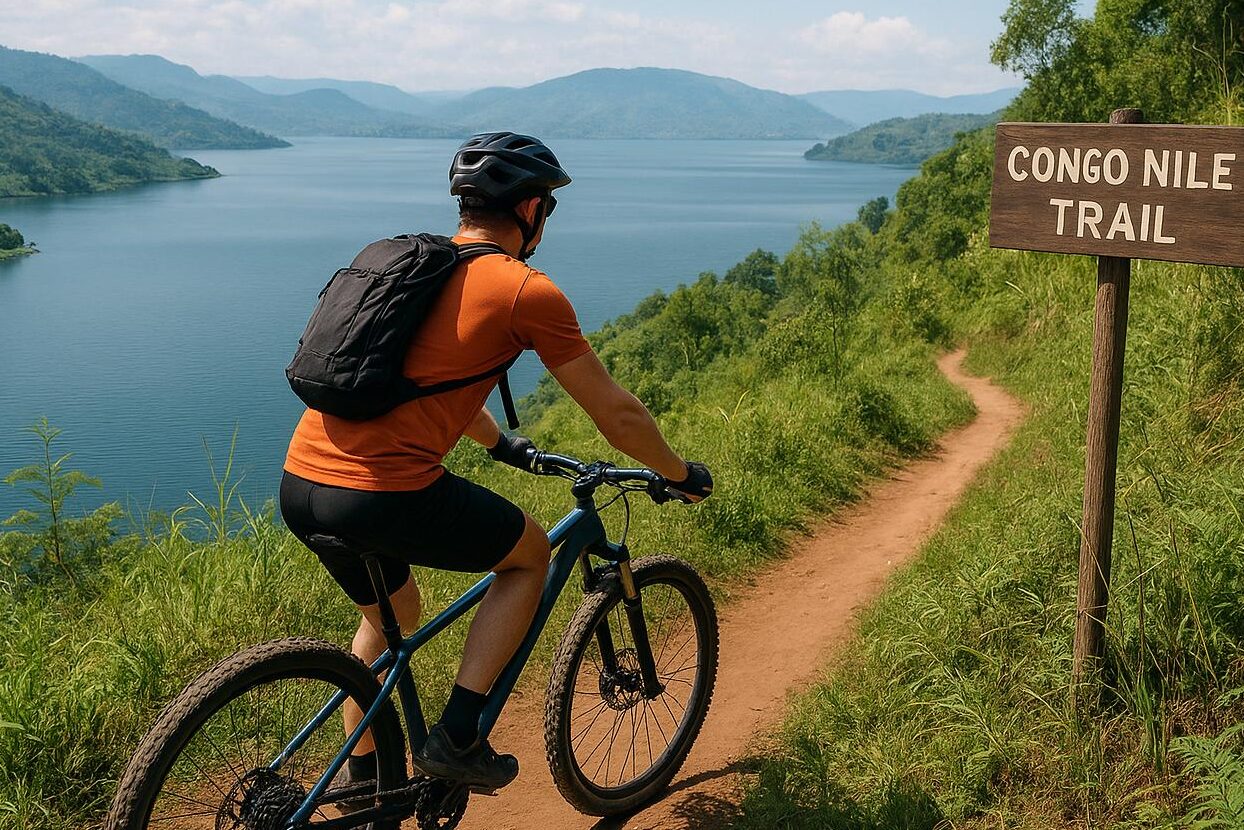
Congo Nile Trail
The Congo Nile Trail is an exciting adventure route following the eastern shores of Lake Kivu.
Visitors can enjoy hiking, mountain biking, rural landscapes and cultural experiences along the route.
If you enjoy outdoor adventures, you can also read our detailed guide to the Congo Nile Trail in Rwanda.
11. Suggested Rwanda Travel Itinerary Including Gishwati-Mukura National Park
If you have several days in Rwanda, you can combine Gishwati-Mukura with other destinations to create an unforgettable travel experience.
Here is an example of a five-day itinerary:
Day 1: Kigali to Gishwati-Mukura
Arrive in Kigali, collect your rental vehicle and travel towards western Rwanda. Explore the surrounding countryside and prepare for your forest experience.
Day 2: Gishwati-Mukura National Park
Enjoy a guided forest walk, birdwatching or an available primate-tracking activity. Spend time learning about the park’s biodiversity and conservation efforts.
Day 3: Gishwati to Lake Kivu
Continue towards Lake Kivu and explore the beautiful lakeside surroundings. Visit Rubavu or Karongi depending on your travel direction and accommodation arrangements.
Day 4: Lake Kivu Exploration
Enjoy boat activities, photography and relaxing lakeside experiences. Discover nearby communities and enjoy the beautiful scenery.
Day 5: Return to Kigali
Travel back to Kigali, enjoying the countryside and beautiful landscapes along the way.
This itinerary can be adjusted according to your interests, available time and confirmed activity bookings.
12. Why Choose Rwanda Cars for Rental for Your Gishwati-Mukura Adventure?
Planning a trip to Gishwati-Mukura National Park involves more than choosing activities. Transportation is also an important part of ensuring a comfortable journey.
Travelling from Kigali towards western Rwanda provides an opportunity to discover several destinations, and having a suitable rental vehicle gives you more flexibility.
At Rwanda Cars for Rental, we help visitors explore Rwanda through convenient car rental services.
Whether you are interested in self-drive car rental, a comfortable SUV or chauffeur-driven transportation, we can help you choose a vehicle that matches your travel requirements.
Our services are suitable for:
- Tourists visiting Rwanda for the first time.
- Travellers interested in national parks and wildlife experiences.
- Couples and families exploring western Rwanda.
- Visitors planning multi-day Rwanda road trips.
- International guests who prefer private transportation.
With the right vehicle, you can travel between Kigali, Gishwati-Mukura, Lake Kivu and other destinations more conveniently.
Plan your next Rwanda adventure with Rwanda Cars for Rental.
Visit our website: https://rwandacarsforrental.com/
Email: rwandacarsforrental@gmail.com
WhatsApp/Phone: +250 785 412 878
Contact us today to arrange a suitable vehicle for your journey and discover the beauty of Rwanda at your own pace.
13. Frequently Asked Questions About Gishwati-Mukura National Park Rwanda
Where is Gishwati-Mukura National Park located?
Gishwati-Mukura National Park is located in western Rwanda, in the Albertine Rift region. It consists of Gishwati Forest and Mukura Forest and is associated with Rutsiro and Ngororero districts.
What is Gishwati-Mukura National Park famous for?
The park is famous for its tropical forests, chimpanzees, other primates, birdlife, guided nature walks, waterfalls and community-based tourism activities.
Can you see chimpanzees in Gishwati-Mukura National Park?
Gishwati Forest is home to eastern chimpanzees, and chimpanzee tracking may be available through organised park activities. Sightings are not guaranteed, so visitors should confirm current availability before travelling.
How many national parks are there in Rwanda?
Rwanda has four national parks: Volcanoes National Park, Akagera National Park, Nyungwe National Park and Gishwati-Mukura National Park.
How far is Gishwati-Mukura National Park from Kigali?
The journey from Kigali to the Gishwati-Mukura area generally takes around two to three hours or longer, depending on the destination sector, traffic and road conditions.
What is the best time to visit Gishwati-Mukura National Park?
The relatively drier months of June to September and December to February are generally favourable for outdoor activities. However, the park can be visited throughout the year.
Can you go hiking in Gishwati-Mukura National Park?
Yes. Guided forest nature walks and hiking experiences allow visitors to explore the forest, learn about biodiversity and discover different wildlife habitats.
Is Gishwati-Mukura National Park good for birdwatching?
Yes. The park is an important birdwatching destination, with numerous forest birds and Albertine Rift species.
Do I need a 4×4 vehicle to visit Gishwati-Mukura?
A 4×4 vehicle may be useful depending on your chosen access road, weather and accommodation location. It is advisable to confirm current road conditions before selecting your rental vehicle.
Can I combine Gishwati-Mukura with Lake Kivu?
Yes. Gishwati-Mukura can be included in a longer western Rwanda itinerary that also visits Lake Kivu, Rubavu, Karongi and other nearby attractions.
Conclusion: Discover Rwanda Beyond the Famous Tourist Destinations
Gishwati-Mukura National Park is an important destination for anyone interested in discovering Rwanda’s natural beauty, biodiversity and conservation efforts.
From chimpanzee tracking and guided forest walks to birdwatching, waterfalls and community experiences, the park offers a different perspective on Rwanda’s tourism opportunities.
Whether you are visiting for a short nature experience or planning a longer journey through western Rwanda, this destination deserves consideration when organising your itinerary.
To make your journey more convenient, choose suitable transportation that allows you to explore different destinations comfortably.
Rwanda Cars for Rental is ready to help you discover Rwanda. Contact us today and start planning your next adventure!
Gishwati-Mukura National Park Rwanda: Complete Guide to Chimpanzee Tracking, Forest Hiking and Wildlife
Introduction
Rwanda is home to some of Africa’s most beautiful natural attractions, including tropical rainforests, volcanic mountains, wildlife reserves and breathtaking landscapes. While many international visitors travel to Volcanoes National Park for mountain gorilla trekking or Akagera National Park for wildlife safaris, there is another remarkable destination waiting to be discovered: Gishwati-Mukura National Park.
Located in western Rwanda, Gishwati-Mukura National Park is an important conservation destination offering visitors opportunities to explore tropical forests, discover different primate species, enjoy guided nature walks and experience Rwanda’s rich biodiversity.
For travellers looking for something different from the country’s more established tourist destinations, this national park provides an opportunity to experience Rwanda’s natural environment in a quieter and less crowded setting.
The park is particularly interesting for visitors interested in chimpanzee tracking, golden monkeys, birdwatching, forest hiking, waterfalls and community-based tourism.
Whether you are planning a wildlife adventure, a nature holiday or a longer Rwanda road trip, visiting Gishwati-Mukura National Park can add a special experience to your itinerary.
In this complete guide, we explain where Gishwati-Mukura National Park is located, what to see, activities to enjoy, the best time to visit, how to get there from Kigali and why renting a suitable vehicle can make your journey more convenient.
1. Where Is Gishwati-Mukura National Park Located in Rwanda?
Gishwati-Mukura National Park is located in western Rwanda, within the Albertine Rift region, an area recognised for its exceptional biodiversity.
The national park consists of two separate forest areas: Gishwati Forest and Mukura Forest. Together, they cover approximately 34 square kilometres, excluding the surrounding buffer zone.
The park is associated with the districts of Rutsiro and Ngororero and forms part of Rwanda’s important forest conservation landscape.
Gishwati-Mukura became Rwanda’s fourth national park following its establishment in 2015. Its protection is important for conserving endangered wildlife, restoring forest ecosystems and supporting sustainable tourism in surrounding communities.
Unlike larger national parks that mainly attract visitors interested in traditional wildlife safaris, Gishwati-Mukura offers a different type of experience centred on rainforest exploration, primates, birds and community activities.
For official destination information, visit Visit Rwanda – Gishwati-Mukura National Park.
2. Why Is Gishwati-Mukura National Park Famous?
Gishwati-Mukura National Park is famous for its biodiversity, conservation importance and opportunities to explore Rwanda’s tropical rainforest environment.
Although it is smaller than some of Rwanda’s other national parks, it provides an important habitat for different wildlife species.
Here are some of the main reasons travellers should consider visiting.
Chimpanzee Tracking in Gishwati Forest
One of the most interesting attractions of Gishwati-Mukura National Park is its population of eastern chimpanzees.
Chimpanzees are intelligent and highly social primates that live in groups and spend much of their time moving through the forest in search of food.
Visitors may have the opportunity to join guided chimpanzee tracking experiences, depending on current park arrangements and availability.
Tracking chimpanzees provides an opportunity to learn about their behaviour, feeding habits, social relationships and the importance of protecting their natural habitat.
Unlike visiting a zoo, chimpanzee tracking takes place in the natural forest environment, where sightings are never guaranteed.
Visitors should follow their guide’s instructions, maintain appropriate distances and respect all wildlife protection guidelines.
For additional information about primate experiences in Rwanda, visit Visit Rwanda – Primate Tracking.
Golden Monkeys and Other Primate Species
Gishwati-Mukura is also associated with several other primate species, including golden monkeys, L’Hoest’s monkeys, blue monkeys and other forest-dwelling primates.
These animals contribute to the ecological importance of the forest and make the destination interesting for wildlife enthusiasts and nature photographers.
Golden monkeys are particularly attractive because of their distinctive appearance and active behaviour.
Visitors should confirm which primate-tracking activities are currently offered in their chosen forest sector before making travel arrangements.
Rich Birdlife and Birdwatching Opportunities
Gishwati-Mukura National Park is an important destination for birdwatching in Rwanda.
The forests support numerous bird species, including birds associated with the Albertine Rift region.
Birdwatchers may be interested in species such as the Rwenzori turaco, red-throated alethe, regal sunbird and other forest birds.
The diversity of birdlife makes the park attractive to experienced birdwatchers, photographers and travellers who enjoy discovering wildlife in natural environments.
For the best experience, consider travelling with a knowledgeable local birding guide and bringing binoculars and a camera.
Forest Conservation and Biodiversity
Gishwati-Mukura is also famous for its conservation and forest restoration efforts.
The forests experienced significant environmental pressure over the years, including deforestation and land-use changes.
Protecting these ecosystems helps restore natural habitats, conserve wildlife and support environmental sustainability.
By visiting responsibly and supporting community-based tourism, travellers can contribute to the continued importance of conservation in Rwanda.
3. Top Things to Do in Gishwati-Mukura National Park
There are several interesting activities to enjoy in and around Gishwati-Mukura National Park.
Whether you are interested in wildlife, photography, hiking or cultural experiences, the destination offers opportunities to discover a different side of Rwanda.
Guided Forest Nature Walks
One of the best ways to explore Gishwati-Mukura National Park is through guided forest walks.
These walks allow visitors to discover the tropical forest environment while learning about different plants, trees, birds and wildlife.
As you move through the forest, you may encounter beautiful vegetation, giant tree ferns, butterflies and different primate species.
A knowledgeable guide can explain the importance of the forest ecosystem and introduce visitors to the conservation efforts taking place in the area.
Forest hiking is particularly suitable for nature lovers who want to experience Rwanda beyond its popular safari destinations.
Visitors should wear comfortable walking shoes, carry drinking water and prepare for potentially muddy and uneven forest trails.
Chimpanzee Tracking Experience
Chimpanzee tracking is one of the experiences that makes Gishwati Forest particularly interesting for wildlife enthusiasts.
The activity involves walking through the forest with trained guides in search of chimpanzees.
During the experience, visitors can learn about chimpanzee behaviour, their natural habitat and the challenges involved in protecting these intelligent animals.
The experience can be physically demanding because the forest contains uneven terrain, thick vegetation and sometimes steep slopes.
Chimpanzee sightings are not guaranteed, so travellers should approach the activity as a wildlife conservation experience rather than expecting a specific animal encounter.
Before travelling, confirm current tracking arrangements, availability, age requirements and applicable permit information with the park authorities.
Birdwatching and Wildlife Photography
If you enjoy photography or birdwatching, Gishwati-Mukura National Park is worth considering.
The forest contains a variety of bird species, making it an interesting destination for visitors who want to discover Rwanda’s birdlife.
Photographers can also enjoy capturing the forest landscape, vegetation, butterflies and wildlife encountered during guided walks.
Early morning excursions can be particularly rewarding because forest birds and other wildlife may be active during the cooler hours.
Bring a good camera, binoculars and suitable clothing to make the most of your experience.
Visiting the Kazeneza Waterfall
Waterfalls are another attraction associated with the Gishwati forest area.
The Kazeneza Waterfall trail provides an opportunity to explore the natural beauty of the forest while enjoying the surrounding vegetation and flowing water.
The journey towards a waterfall can be an enjoyable part of a guided nature walk, particularly for travellers interested in landscape photography and outdoor adventures.
Visitors should confirm current trail accessibility and guiding arrangements before planning their visit.
Discovering Local Communities and Cultural Experiences
Gishwati-Mukura National Park is not only about wildlife and forests. The surrounding communities also offer opportunities to discover Rwanda’s cultural heritage.
Community-based tourism activities can include traditional cultural performances, local crafts, agricultural experiences and learning about traditional uses of medicinal plants.
Visitors can also learn about local farming activities and the relationship between surrounding communities and forest conservation.
These experiences make a visit more meaningful because they demonstrate how responsible tourism can support local livelihoods while encouraging environmental protection.
Exploring Tea Plantations Around Gishwati
The hills surrounding the Gishwati area also provide opportunities to discover Rwanda’s tea-growing landscapes.
Visitors interested in agriculture and rural tourism may enjoy learning about tea cultivation and the activities of local farming communities.
The surrounding green landscapes provide beautiful scenery for photography and countryside exploration.
If you are interested in learning more about Rwanda’s tea industry, read our guide to Rwanda’s tea plantations and the best places to discover Rwanda’s tea culture.
4. What Wildlife Can You See in Gishwati-Mukura National Park?
Gishwati-Mukura is an important habitat for several wildlife species.
The park is particularly recognised for its primates and birdlife.
Some of the wildlife associated with the forest includes:
- Eastern chimpanzees.
- Golden monkeys.
- L’Hoest’s monkeys.
- Blue monkeys.
- Black-and-white colobus monkeys.
- Vervet monkeys.
- Different forest bird species.
- Butterflies and other smaller forest wildlife.
The park also protects a variety of plant species, including indigenous trees and bamboo.
Wildlife sightings depend on the season, animal movements and forest conditions. Visitors should therefore avoid expecting to see every species during one visit.
A guided forest experience is one of the best ways to understand the biodiversity of this protected area.
5. What Is the Best Time to Visit Gishwati-Mukura National Park?
Rwanda can be visited throughout the year, but weather conditions can influence hiking, primate tracking and other outdoor activities.
The relatively drier periods are generally:
- June to September.
- December to February.
These months are often suitable for travellers interested in forest hiking and outdoor exploration because trails may be less muddy.
The rainy seasons generally occur from March to May and around October to November.
During rainy periods, the forest becomes particularly green, although walking trails can become slippery and more challenging.
Birdwatchers may also find rainy-season periods interesting because bird activity and breeding conditions can vary throughout the year.
Regardless of the season, it is important to check local weather conditions and activity availability before travelling.
6. How to Get to Gishwati-Mukura National Park from Kigali
Kigali is the main international arrival point for many tourists visiting Rwanda.
From Kigali, visitors can travel towards western Rwanda to reach the Gishwati-Mukura area.
The journey is generally around 2–3 hours or longer depending on the exact starting point, destination sector, road conditions and traffic.
Visitors can reach the area using:
Public transportation: Travellers can use public transport to reach nearby towns and arrange onward transportation, although this may require additional planning.
Private transfers: A private driver can provide convenient transportation from Kigali to the park area.
Car rental in Kigali: Renting a vehicle offers flexibility for travellers who want to explore Gishwati-Mukura and other destinations in western Rwanda.
For international visitors who want to discover several attractions during their holiday, car rental can make travelling between destinations more convenient.
If you are planning a longer journey, our guide on how to plan a Rwanda road trip from Kigali provides additional travel inspiration.
7. Is a 4×4 Vehicle Necessary to Visit Gishwati-Mukura National Park?
Choosing the right vehicle is an important part of planning your trip to Gishwati-Mukura National Park.
Some roads leading towards the park area are paved, while access conditions on smaller roads can vary depending on the location and weather.
A suitable vehicle should be selected according to your exact destination, accommodation and planned activities.
A comfortable SUV may be sufficient for some itineraries, while a 4×4 vehicle can provide additional capability and confidence when travelling on rougher access roads.
If you are planning to explore several destinations in western Rwanda, choosing an appropriate vehicle can make the journey more comfortable.
At Rwanda Cars for Rental, we provide car rental options for travellers interested in discovering Rwanda independently or with a professional driver.
You can choose a vehicle according to your travel plans, group size and road conditions.
8. Where to Stay When Visiting Gishwati-Mukura National Park
Accommodation is an important consideration when planning a visit to Gishwati-Mukura National Park.
Compared with more established destinations such as Volcanoes National Park and Nyungwe National Park, accommodation options around Gishwati-Mukura are more limited.
Visitors should research accommodation availability before travelling, particularly if they want to participate in early morning activities.
Options may include:
Gishwati Lodge: An accommodation option associated with the Gishwati forest area, offering a nature-focused stay.
Forest of Hope Guest House: A visitor accommodation option associated with the park and its surrounding conservation activities. Confirm current operating arrangements before booking.
Nearby accommodation: Travellers can also investigate accommodation in nearby towns and plan their transportation to the park.
It is advisable to confirm current room availability, prices, meals and transport arrangements directly with accommodation providers.
9. What Should You Pack for a Visit to Gishwati-Mukura?
Preparing properly can make your forest adventure more comfortable.
Consider packing the following items:
- Comfortable hiking boots or walking shoes.
- Lightweight and breathable clothing.
- A waterproof jacket.
- A reusable water bottle.
- Sunscreen.
- Insect repellent.
- A small backpack.
- Binoculars for birdwatching.
- A camera with sufficient battery power.
- A power bank.
- Personal medication and a basic first-aid kit.
- Some cash for personal expenses.
If you are participating in chimpanzee tracking or guided forest hiking, follow the instructions provided by the park authorities and your guide.
Visitors should also avoid leaving rubbish in the forest and should respect all wildlife conservation rules.
10. Other Places to Visit Near Gishwati-Mukura National Park
One advantage of visiting western Rwanda is that you can combine your forest adventure with other beautiful destinations.
If you have additional time, consider including the following attractions in your itinerary.
Lake Kivu
Lake Kivu is one of Rwanda’s most beautiful natural attractions.
The lake is famous for its scenic landscapes, beautiful beaches, islands and peaceful lakeside destinations.
Visitors can enjoy boat trips, kayaking, photography and relaxing at lakeside accommodation.
Rubavu and Karongi are particularly popular places for travellers exploring western Rwanda.
Nyungwe National Park
Nyungwe National Park is another important rainforest destination in southwestern Rwanda.
The park is famous for chimpanzee tracking, forest hiking, birdwatching and its spectacular canopy walkway.
Visitors interested in rainforest biodiversity can combine a visit to Gishwati-Mukura with a longer journey towards Nyungwe.
Volcanoes National Park
Located in northern Rwanda, Volcanoes National Park is internationally recognised for mountain gorilla trekking.
Visitors can also experience golden monkey tracking, mountain hiking and beautiful views of the Virunga volcanoes.
If you want to discover more about Rwanda’s famous primate tourism experiences, this park is an excellent addition to your travel itinerary.
Congo Nile Trail
The Congo Nile Trail is an exciting adventure route following the eastern shores of Lake Kivu.
Visitors can enjoy hiking, mountain biking, rural landscapes and cultural experiences along the route.
If you enjoy outdoor adventures, you can also read our detailed guide to the Congo Nile Trail in Rwanda.
11. Suggested Rwanda Travel Itinerary Including Gishwati-Mukura National Park
If you have several days in Rwanda, you can combine Gishwati-Mukura with other destinations to create an unforgettable travel experience.
Here is an example of a five-day itinerary:
Day 1: Kigali to Gishwati-Mukura
Arrive in Kigali, collect your rental vehicle and travel towards western Rwanda. Explore the surrounding countryside and prepare for your forest experience.
Day 2: Gishwati-Mukura National Park
Enjoy a guided forest walk, birdwatching or an available primate-tracking activity. Spend time learning about the park’s biodiversity and conservation efforts.
Day 3: Gishwati to Lake Kivu
Continue towards Lake Kivu and explore the beautiful lakeside surroundings. Visit Rubavu or Karongi depending on your travel direction and accommodation arrangements.
Day 4: Lake Kivu Exploration
Enjoy boat activities, photography and relaxing lakeside experiences. Discover nearby communities and enjoy the beautiful scenery.
Day 5: Return to Kigali
Travel back to Kigali, enjoying the countryside and beautiful landscapes along the way.
This itinerary can be adjusted according to your interests, available time and confirmed activity bookings.
12. Why Choose Rwanda Cars for Rental for Your Gishwati-Mukura Adventure?
Planning a trip to Gishwati-Mukura National Park involves more than choosing activities. Transportation is also an important part of ensuring a comfortable journey.
Travelling from Kigali towards western Rwanda provides an opportunity to discover several destinations, and having a suitable rental vehicle gives you more flexibility.
At Rwanda Cars for Rental, we help visitors explore Rwanda through convenient car rental services.
Whether you are interested in self-drive car rental, a comfortable SUV or chauffeur-driven transportation, we can help you choose a vehicle that matches your travel requirements.
Our services are suitable for:
- Tourists visiting Rwanda for the first time.
- Travellers interested in national parks and wildlife experiences.
- Couples and families exploring western Rwanda.
- Visitors planning multi-day Rwanda road trips.
- International guests who prefer private transportation.
With the right vehicle, you can travel between Kigali, Gishwati-Mukura, Lake Kivu and other destinations more conveniently.
Plan your next Rwanda adventure with Rwanda Cars for Rental.
Visit our website: https://rwandacarsforrental.com/
Email: rwandacarsforrental@gmail.com
WhatsApp/Phone: +250 785 412 878
Contact us today to arrange a suitable vehicle for your journey and discover the beauty of Rwanda at your own pace.
13. Frequently Asked Questions About Gishwati-Mukura National Park Rwanda
Where is Gishwati-Mukura National Park located?
Gishwati-Mukura National Park is located in western Rwanda, in the Albertine Rift region. It consists of Gishwati Forest and Mukura Forest and is associated with Rutsiro and Ngororero districts.
What is Gishwati-Mukura National Park famous for?
The park is famous for its tropical forests, chimpanzees, other primates, birdlife, guided nature walks, waterfalls and community-based tourism activities.
Can you see chimpanzees in Gishwati-Mukura National Park?
Gishwati Forest is home to eastern chimpanzees, and chimpanzee tracking may be available through organised park activities. Sightings are not guaranteed, so visitors should confirm current availability before travelling.
How many national parks are there in Rwanda?
Rwanda has four national parks: Volcanoes National Park, Akagera National Park, Nyungwe National Park and Gishwati-Mukura National Park.
How far is Gishwati-Mukura National Park from Kigali?
The journey from Kigali to the Gishwati-Mukura area generally takes around two to three hours or longer, depending on the destination sector, traffic and road conditions.
What is the best time to visit Gishwati-Mukura National Park?
The relatively drier months of June to September and December to February are generally favourable for outdoor activities. However, the park can be visited throughout the year.
Can you go hiking in Gishwati-Mukura National Park?
Yes. Guided forest nature walks and hiking experiences allow visitors to explore the forest, learn about biodiversity and discover different wildlife habitats.
Is Gishwati-Mukura National Park good for birdwatching?
Yes. The park is an important birdwatching destination, with numerous forest birds and Albertine Rift species.
Do I need a 4×4 vehicle to visit Gishwati-Mukura?
A 4×4 vehicle may be useful depending on your chosen access road, weather and accommodation location. It is advisable to confirm current road conditions before selecting your rental vehicle.
Can I combine Gishwati-Mukura with Lake Kivu?
Yes. Gishwati-Mukura can be included in a longer western Rwanda itinerary that also visits Lake Kivu, Rubavu, Karongi and other nearby attractions.
Conclusion: Discover Rwanda Beyond the Famous Tourist Destinations
Gishwati-Mukura National Park is an important destination for anyone interested in discovering Rwanda’s natural beauty, biodiversity and conservation efforts.
From chimpanzee tracking and guided forest walks to birdwatching, waterfalls and community experiences, the park offers a different perspective on Rwanda’s tourism opportunities.
Whether you are visiting for a short nature experience or planning a longer journey through western Rwanda, this destination deserves consideration when organising your itinerary.
To make your journey more convenient, choose suitable transportation that allows you to explore different destinations comfortably.
Rwanda Cars for Rental is ready to help you discover Rwanda. Contact us today and start planning your next adventure!
Related Posts