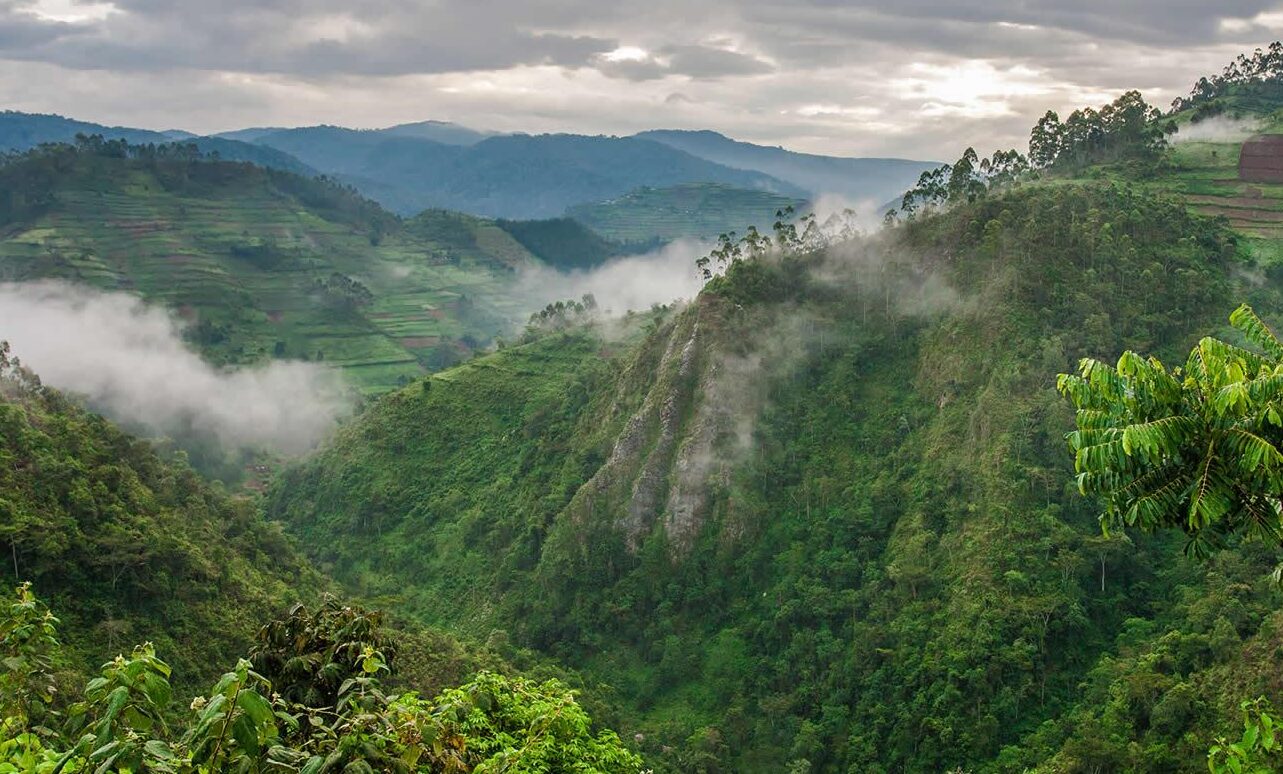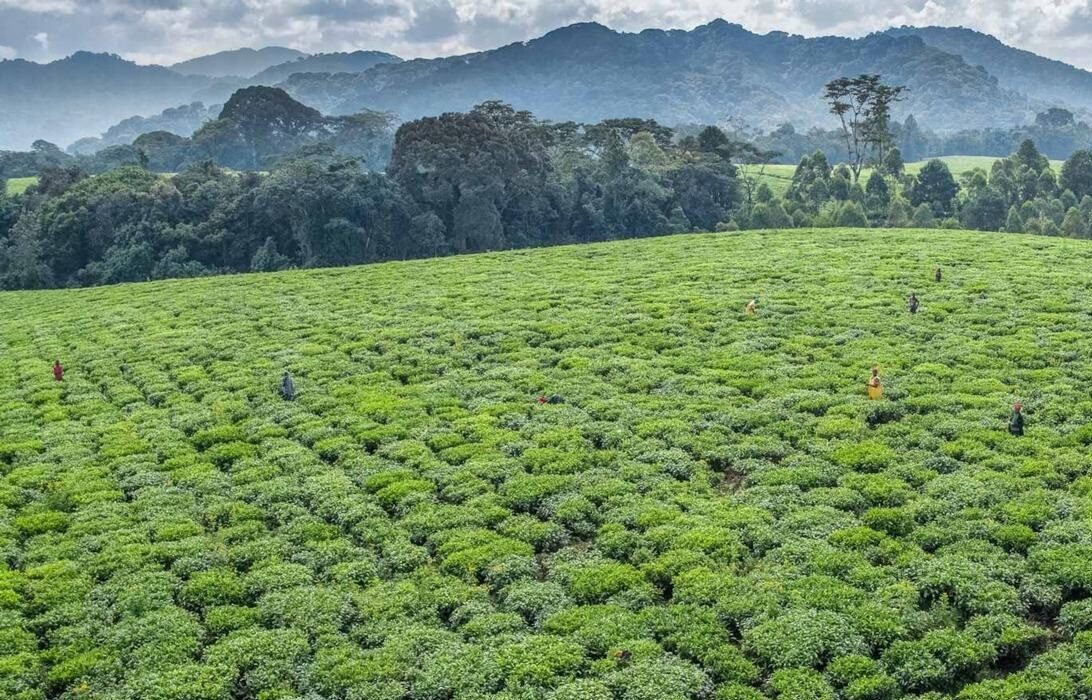

Rwanda is home to some of Africa's most beautiful natural attractions, including tropical rainforests, volcanic…
Congo Nile Trail Rwanda: Complete Guide to Hiking, Cycling and Exploring Lake Kivu
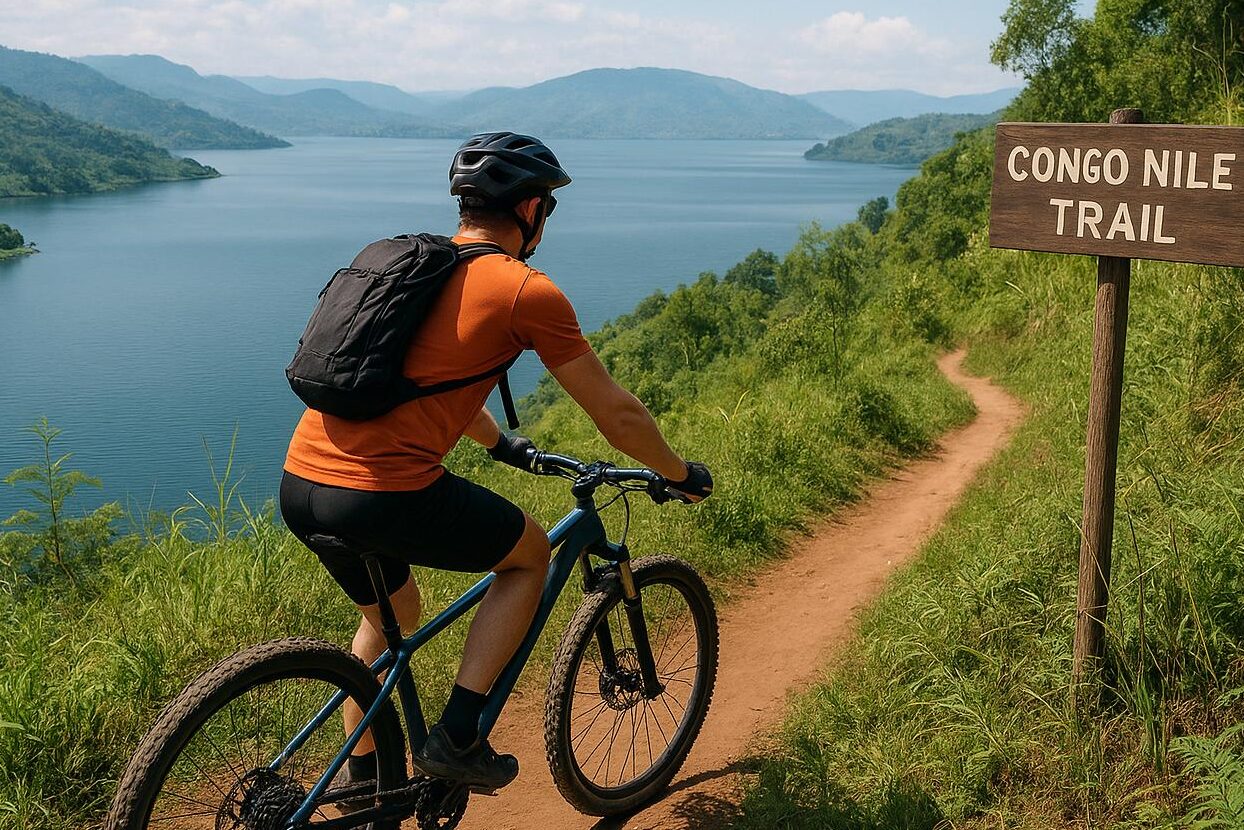
Rwanda is one of Africa’s most beautiful travel destinations, offering breathtaking landscapes, welcoming communities, fascinating cultural experiences and unforgettable outdoor adventures. While many international visitors travel to Rwanda for mountain gorilla trekking, wildlife safaris and cultural tourism, the country also offers another remarkable experience: exploring the famous Congo Nile Trail.
The Congo Nile Trail Rwanda is an approximately 227-kilometre adventure route following the eastern shores of Lake Kivu, connecting Rubavu in northern Rwanda with Rusizi in the southwest. It takes visitors through beautiful green hills, coffee-growing communities, traditional fishing villages, agricultural landscapes and some of the most spectacular viewpoints overlooking Lake Kivu.
Whether you enjoy hiking, mountain biking, photography or discovering local communities, the Congo Nile Trail provides an opportunity to experience Rwanda beyond its popular tourist attractions.
For travellers planning to explore western Rwanda, renting a car in Kigali can make it easier to reach different destinations, organise accommodation and discover nearby attractions along Lake Kivu.
In this complete guide, you will discover where the Congo Nile Trail is located, what to experience along the route, how long the journey takes, the best time to visit, transportation options and practical tips for planning your adventure.
1. What Is the Congo Nile Trail in Rwanda?
The Congo Nile Trail is one of Rwanda’s most famous long-distance adventure routes, designed for hiking and mountain biking through the beautiful landscapes of the Western Province.
The name comes from the Congo-Nile watershed, which separates water flowing towards the Congo River basin from water flowing towards the Nile River basin. Despite its name, the trail is located entirely within Rwanda and does not cross into the Democratic Republic of Congo.
Stretching approximately 227 kilometres, the Congo Nile Trail connects Rubavu in the north with Rusizi in the south. Along the journey, visitors experience beautiful scenery, rural settlements, agricultural communities and panoramic views of Lake Kivu.
The route is particularly attractive to travellers who want to discover Rwanda’s natural beauty while experiencing local culture and outdoor activities.
According to Visit Rwanda, completing the full route generally takes approximately five days by bicycle or ten days on foot, depending on the itinerary and travel conditions.
Unlike conventional sightseeing tours, the Congo Nile Trail allows visitors to experience Rwanda at a slower pace. You can interact with local communities, discover agricultural activities, enjoy peaceful lakeside surroundings and appreciate the country’s beautiful countryside.
2. Where Does the Congo Nile Trail Start and End?
The Congo Nile Trail starts around Rubavu District, particularly Gisenyi, and ends in Rusizi District in southwestern Rwanda.
The route follows the eastern shoreline of Lake Kivu, passing through several districts in the Western Province. These include Rubavu, Rutsiro, Karongi, Nyamasheke and Rusizi.
Rubavu – The Northern Starting Point
Rubavu, commonly known through its main lakeside town of Gisenyi, is the northern starting point of the Congo Nile Trail.
The destination is famous for its beautiful Lake Kivu beaches, waterfront hotels, relaxing atmosphere and spectacular views of the surrounding hills.
Before beginning your hiking or cycling adventure, you can spend time enjoying the lake, visiting local restaurants or exploring the town.
Rubavu is also an excellent destination for travellers arriving from Kigali who want to begin their western Rwanda road trip.
Rutsiro – Discover Rwanda’s Countryside
Rutsiro District offers beautiful rural landscapes, green hills and agricultural communities.
As you travel through this region, you can discover coffee-growing areas, traditional settlements and spectacular viewpoints overlooking Lake Kivu.
It is an excellent place to experience the countryside and understand the importance of agriculture to local communities.
Karongi – Exploring the Beauty of Kibuye
Karongi, especially the lakeside town of Kibuye, is among the most attractive destinations along Lake Kivu.
The area is known for its beautiful islands, peaceful bays, green hills and relaxing lakeside accommodation.
Visitors can enjoy boat trips, photography, swimming in designated safe areas and beautiful sunset views.
Karongi is also an excellent destination for travellers who want to spend more time exploring western Rwanda without completing the entire Congo Nile Trail.
Nyamasheke – Rural Tourism and Agricultural Experiences
Nyamasheke District offers an opportunity to discover Rwanda’s rural lifestyle.
The area features agricultural landscapes, coffee-growing communities and beautiful views of Lake Kivu.
Visitors interested in cultural tourism and local farming activities can learn more about how communities depend on agriculture and natural resources.
Rusizi – The Southern End of the Trail
Rusizi District marks the southern end of the Congo Nile Trail.
It is an important destination for travellers exploring southwestern Rwanda and provides a convenient connection to other attractions, including Nyungwe National Park.
After completing the trail, visitors can continue their adventure by exploring Rwanda’s tropical rainforest, wildlife and famous canopy walkway.
3. What Can You Experience Along the Congo Nile Trail?
The Congo Nile Trail offers much more than hiking and cycling. It provides an opportunity to discover Rwanda’s landscapes, culture, agriculture and everyday community life.
Here are some of the experiences that make this adventure special.
Hiking Through Rwanda’s Beautiful Hills
Hiking is one of the most rewarding ways to explore the Congo Nile Trail.
The route takes visitors through rolling hills, village pathways, agricultural landscapes and beautiful natural surroundings.
Unlike travelling directly between tourist attractions, hiking allows you to experience the countryside at a slower pace.
You can enjoy fresh air, interact with local residents, take photographs and discover beautiful locations that are often missed by conventional sightseeing tours.
Some sections include steep climbs and uneven terrain, so comfortable hiking shoes, drinking water and appropriate physical preparation are important.
First-time hikers can consider exploring shorter sections before attempting the full route.
Mountain Biking Along Lake Kivu
For travellers who enjoy cycling, the Congo Nile Trail provides an exciting opportunity to explore Rwanda on two wheels.
Mountain biking allows visitors to cover longer distances while enjoying the changing landscapes along Lake Kivu.
The route includes hills, unpaved tracks and village roads, making a suitable mountain bike and good physical preparation essential.
You can choose to cycle the entire Congo Nile Trail or explore selected sections depending on your experience and available time.
Cycling is particularly attractive to adventurous visitors who want to combine physical activity with beautiful scenery and cultural experiences.
Discovering Rwanda’s Coffee and Tea Communities
Rwanda is internationally recognised for its coffee and tea production.
The western region offers opportunities to discover agricultural communities, coffee-growing landscapes and tea plantations.
These experiences help visitors understand how agriculture contributes to Rwanda’s economy and tourism industry.
Travellers interested in learning more about the country’s agricultural heritage can also read our guide on why Rwanda is famous for specialty coffee.
You can also discover more about the country’s tea-growing heritage through our article on Rwanda’s tea plantations and the best places to discover Rwanda’s tea culture.
Visiting Traditional Fishing Villages
Lake Kivu supports communities whose daily activities are closely connected to fishing.
Along the Congo Nile Trail, visitors may encounter traditional fishing boats, lakeside settlements and fishermen preparing for their fishing activities.
These encounters provide an opportunity to understand the cultural and economic importance of the lake.
Visitors can learn about local fishing traditions, observe lakeside activities and enjoy the peaceful atmosphere of the surrounding villages.
Always respect local communities and ask permission before photographing individuals.
Enjoying Beautiful Views of Lake Kivu
One of the greatest attractions of the Congo Nile Trail is the spectacular scenery surrounding Lake Kivu.
As you travel along the route, you will encounter beautiful viewpoints overlooking the lake, green mountains, small islands and peaceful bays.
Lake Kivu is among Rwanda’s most beautiful natural attractions, making the trail particularly attractive to photographers, nature lovers and adventure travellers.
Whether you are hiking, cycling or travelling between different towns, the surrounding landscapes offer countless opportunities to appreciate Rwanda’s natural beauty.
4. How Long Does It Take to Complete the Congo Nile Trail?
The time required to complete the Congo Nile Trail depends on your chosen activity, physical fitness and travel arrangements.
The full route covers approximately 227 kilometres, but visitors do not necessarily need to complete the entire journey.
The general planning estimates are:
- Full trail by bicycle: approximately five days.
- Full trail on foot: approximately ten days.
- Short hiking experiences: one to three days.
- Short cycling experiences: one to three days.
These are approximate planning durations, not guaranteed completion times. Weather, terrain, fitness, accommodation and the number of stops can influence the actual journey.
Travellers with limited time can explore selected sections around Rubavu and Karongi or choose shorter experiences near Lake Kivu.
For visitors interested in a longer adventure, completing the full route provides a more immersive opportunity to discover the landscapes and communities of western Rwanda.
Before departure, arrange accommodation, meals, luggage transportation and any required guiding services.
5. What Is the Best Time to Visit the Congo Nile Trail?
Rwanda can be visited throughout the year, but weather conditions can influence the experience of hiking and cycling.
The relatively drier periods are generally June to September and December to February.
During these months, outdoor activities can be more comfortable, although occasional rainfall is still possible.
The longer rainy season generally occurs from March to May, while another rainy period occurs around October and November.
During rainy weather, some unpaved sections of the Congo Nile Trail can become slippery and more challenging to navigate.
For travellers planning mountain biking or hiking, checking local weather conditions before departure is particularly important.
Regardless of the season, carry suitable clothing, drinking water and waterproof equipment to make your adventure more comfortable.
6. What Should You Pack for the Congo Nile Trail?
Preparing properly can make your Congo Nile Trail adventure more comfortable and enjoyable.
Whether you are hiking or cycling, consider packing the following items:
- Comfortable hiking or cycling shoes.
- Lightweight and breathable clothing.
- A waterproof jacket.
- A reusable drinking water bottle.
- Sunscreen and sunglasses.
- A hat or cap.
- A small backpack.
- Personal toiletries.
- A basic first-aid kit.
- A fully charged mobile phone and power bank.
- Offline maps or navigation assistance.
- Some cash for local purchases.
If you plan to complete the entire route, arrange accommodation, luggage transportation, meals and other necessary logistics in advance.
Cyclists should also carry suitable repair equipment and ensure their bicycles are in good condition before starting the journey.
Preparation is particularly important for visitors who are unfamiliar with Rwanda’s countryside and the physical demands of long-distance hiking or cycling.
7. Can You Explore the Congo Nile Trail Without Hiking the Entire Route?
Yes! You do not need to complete all 227 kilometres to enjoy the beauty of the Congo Nile Trail.
Some visitors prefer to explore selected sections, while others combine road trips with short hiking or cycling experiences.
For example, you can travel from Kigali to Rubavu, spend time around Lake Kivu, explore Karongi and enjoy selected parts of the trail before continuing towards Nyungwe National Park.
This approach is particularly suitable for travellers who want to discover western Rwanda without committing to a multi-day hiking or cycling adventure.
A rental car can help you travel between towns, reach accommodation and explore nearby attractions.
However, a vehicle does not replace the hiking or cycling experience. Visitors should arrange suitable trail guides, navigation and transport between their selected walking or cycling stages.
For more travel inspiration, read our guide on planning a Rwanda road trip from Kigali.
8. How to Get to the Congo Nile Trail from Kigali
Kigali is the main international arrival point for many travellers visiting Rwanda.
From Kigali, visitors can travel towards Rubavu, Karongi or other destinations along Lake Kivu using public transportation, private transfers or rental vehicles.
Rubavu is accessible by road from Kigali, making it a convenient starting point for visitors planning to explore the northern section of the Congo Nile Trail.
Travellers who prefer flexibility can rent a vehicle and explore the western region according to their own schedule.
A self-drive car rental is suitable for visitors who enjoy independent travel and want to manage their own itinerary.
Alternatively, a chauffeur-driven car rental provides additional convenience for visitors who prefer travelling with a professional driver familiar with local routes.
Before departure, check your route, accommodation arrangements and road conditions. If your itinerary includes remote access roads, select a vehicle suitable for the terrain.
9. Is the Congo Nile Trail Suitable for First-Time Visitors to Rwanda?
Yes. The Congo Nile Trail can be an excellent experience for first-time visitors, especially those interested in nature, outdoor activities and local culture.
However, completing the full trail requires preparation because of its distance, changing elevation and physical demands.
First-time visitors who are not experienced hikers or cyclists may prefer shorter sections or guided experiences.
Travelling with an experienced local guide can help with navigation, understanding local communities and organising overnight stops.
If you are combining the trail with other destinations, plan enough time to enjoy each location without rushing.
Visitors should also consider their physical fitness, the weather and the type of activity they want to experience before choosing an itinerary.
10. Other Places to Visit Near the Congo Nile Trail
One advantage of exploring western Rwanda is that you can combine your adventure with other beautiful destinations.
Lake Kivu
Lake Kivu is one of Rwanda’s most attractive natural destinations.
Visitors can enjoy lakeside relaxation, boat trips, kayaking, beautiful beaches and spectacular views of the surrounding hills.
Rubavu and Karongi are particularly popular places for travellers looking for accommodation and activities along the lake.
Nyungwe National Park
Nyungwe National Park is one of Africa’s important tropical rainforest destinations.
The park is famous for its biodiversity, chimpanzee tracking, forest hiking and spectacular canopy walkway.
Visitors exploring the southern end of the Congo Nile Trail can consider adding Nyungwe to their itinerary.
Volcanoes National Park
Volcanoes National Park is located in northern Rwanda and is internationally recognised for mountain gorilla trekking.
Visitors can also experience golden monkey tracking, hiking and beautiful views of the Virunga Mountains.
Although it is not directly on the Congo Nile Trail, it can be included in a longer Rwanda travel itinerary.
Karongi and Kibuye
Karongi is an excellent destination for visitors who want to experience the peaceful atmosphere of Lake Kivu.
Its beautiful islands, green hills, waterfront accommodation and relaxing scenery make it a memorable stop during a western Rwanda road trip.
11. Why Rent a Car to Explore Western Rwanda?
Exploring western Rwanda can be even more enjoyable when you have the freedom to travel according to your own schedule.
A rental vehicle gives you the opportunity to travel between Kigali, Rubavu, Karongi, Nyamasheke and Rusizi while discovering the different attractions along Lake Kivu.
Here are some reasons why renting a car can improve your Rwanda travel experience.
Flexibility: You can organise your itinerary according to your preferred destinations and available time.
Convenience: Travelling with your luggage and personal equipment is easier when you have a suitable rental vehicle.
Access to attractions: A rental car allows you to visit different viewpoints, towns, accommodation facilities and attractions along the western region.
Comfort: Travelling between destinations can be more comfortable, particularly when exploring several locations during one trip.
More travel opportunities: You can combine the Congo Nile Trail with other destinations such as Nyungwe National Park, Volcanoes National Park and Akagera National Park.
At Rwanda Cars for Rental, we help visitors discover Rwanda through convenient car rental services.
Whether you need a comfortable SUV, a suitable 4×4 vehicle for exploring different destinations or a chauffeur-driven vehicle, you can choose an option that matches your travel plans.
Our goal is to make exploring Rwanda easier, more comfortable and memorable.
12. Frequently Asked Questions About the Congo Nile Trail Rwanda
How long is the Congo Nile Trail in Rwanda?
The Congo Nile Trail is approximately 227 kilometres long, extending from Rubavu in northern Rwanda to Rusizi in the southwest.
Is the Congo Nile Trail suitable for hiking?
Yes. The trail is suitable for hiking, although some sections involve steep climbs and challenging terrain. Visitors should prepare physically and consider hiring a local guide.
How many days do you need for the Congo Nile Trail?
Most visitors need approximately five days to complete the trail by bicycle or ten days on foot. Shorter sections can be explored in one to three days.
Can you cycle the Congo Nile Trail?
Yes. Mountain biking is one of the popular ways to explore the trail. Appropriate bicycles, physical preparation and route planning are recommended.
Where does the Congo Nile Trail start?
The trail starts around Rubavu, particularly Gisenyi, in western Rwanda, and ends in Rusizi.
Does the Congo Nile Trail pass through the Democratic Republic of Congo?
No. Despite its name, the Congo Nile Trail is entirely located within Rwanda.
What is the best time to visit the Congo Nile Trail?
June to September and December to February are generally favourable periods for hiking and cycling because they are relatively drier seasons.
Can I visit the Congo Nile Trail from Kigali?
Yes. You can travel from Kigali to Rubavu or other towns along Lake Kivu by public transportation, private transfer or rental car.
Do I need a guide for the Congo Nile Trail?
A guide is recommended, particularly for first-time visitors and those completing longer hiking or cycling sections. Local guidance can help with navigation and organising overnight stops.
Can I combine the Congo Nile Trail with Nyungwe National Park?
Yes. Since the trail ends in Rusizi, you can plan a continuation towards Nyungwe National Park, subject to your route and available time.
13. Plan Your Rwanda Adventure with Rwanda Cars for Rental
The Congo Nile Trail is one of the most rewarding ways to discover the natural beauty and cultural experiences of western Rwanda.
From the peaceful shores of Lake Kivu to the green hills, coffee plantations and traditional fishing communities, every section offers something memorable.
Whether you are planning a hiking adventure, a mountain biking experience or a longer road trip around Rwanda, proper transportation can help you make the most of your visit.
Are you planning to explore the Congo Nile Trail and other beautiful destinations in Rwanda?
Contact Rwanda Cars for Rental to arrange a suitable vehicle for your journey.
Website: https://rwandacarsforrental.com/
Email: rwandacarsforrental@gmail.com
WhatsApp/Phone: +250 785 412 878
Explore Rwanda at your own pace with Rwanda Cars for Rental!
Related Posts