
Planning a Rwanda road trip from Kigali is an excellent way to discover the country's…
Car Rental for NGOs and Fieldwork in Rwanda: A Practical Guide

Non-governmental organisations (NGOs), humanitarian organisations, research teams and international development agencies often need reliable transportation to carry out projects across Rwanda. From visiting communities and conducting field research to monitoring project activities in rural districts, having suitable transport can make daily operations easier to organise,that’s why rwandacarsforrental offers NGO car rental in Rwanda
Choosing the right NGO car rental in Rwanda involves more than selecting a vehicle. Organisations need to consider project locations, passenger numbers, equipment, road conditions, rental duration, budgeting and the flexibility required to respond to changing field schedules.
Whether your team is based in Kigali or travelling regularly to communities across the country, this guide explains how to plan vehicle hire for NGO fieldwork and project operations in Rwanda.
Rwanda Cars For Rental provides vehicle rental solutions for corporate clients and organisations. Contact our team to discuss your project requirements and identify a suitable transport option for your assignment.
Why NGOs Need Reliable Transport in Rwanda
Field operations often involve travelling between offices, project sites, partner organisations and local communities. Depending on the nature of a project, teams may need to make several visits in one day or travel outside major urban centres.
Reliable transportation can help organisations plan these movements more efficiently.
1. Community Visits and Field Research
NGOs working in community development, public health, education, agriculture and environmental conservation may need to visit different locations to conduct interviews, collect information, meet beneficiaries or monitor project activities.
A suitable rental vehicle gives teams greater flexibility when planning these visits. Before booking, consider the number of passengers, equipment requirements and the condition of the roads leading to your project locations.
2. Monitoring and Evaluation Activities
Monitoring and evaluation teams frequently travel to project locations to assess progress, meet stakeholders and collect information for reports.
When several sites must be visited within a limited period, transport planning becomes particularly important. Consider arranging a vehicle that accommodates your team and equipment while allowing enough time for travel, meetings and unexpected delays.
3. Humanitarian and Development Projects
Humanitarian and development programmes may require transportation for staff, supplies and project equipment. The type of vehicle needed depends on the assignment, the terrain and the organisation’s operating procedures.
For routine urban visits, a standard vehicle may be sufficient. For projects involving remote locations or rough access roads, an SUV or suitable 4×4 may be more appropriate.
Organisations should assess their actual routes rather than automatically selecting the largest vehicle.
How to Choose the Right Vehicle for NGO Fieldwork
Selecting the right vehicle helps your organisation balance comfort, practicality and transport costs.
Economy Cars for Urban Assignments
Economy cars may suit teams conducting meetings, office visits and project activities primarily within Kigali or other locations with suitable paved roads.
They can be considered when passenger numbers and luggage requirements are modest and the planned routes do not require additional ground clearance or four-wheel drive.
SUVs for Multi-Destination Field Visits
An SUV may be suitable for teams travelling longer distances, carrying additional equipment or visiting a combination of urban and rural locations.
When comparing vehicles, consider passenger comfort, luggage capacity, fuel consumption and the condition of the roads you expect to use.
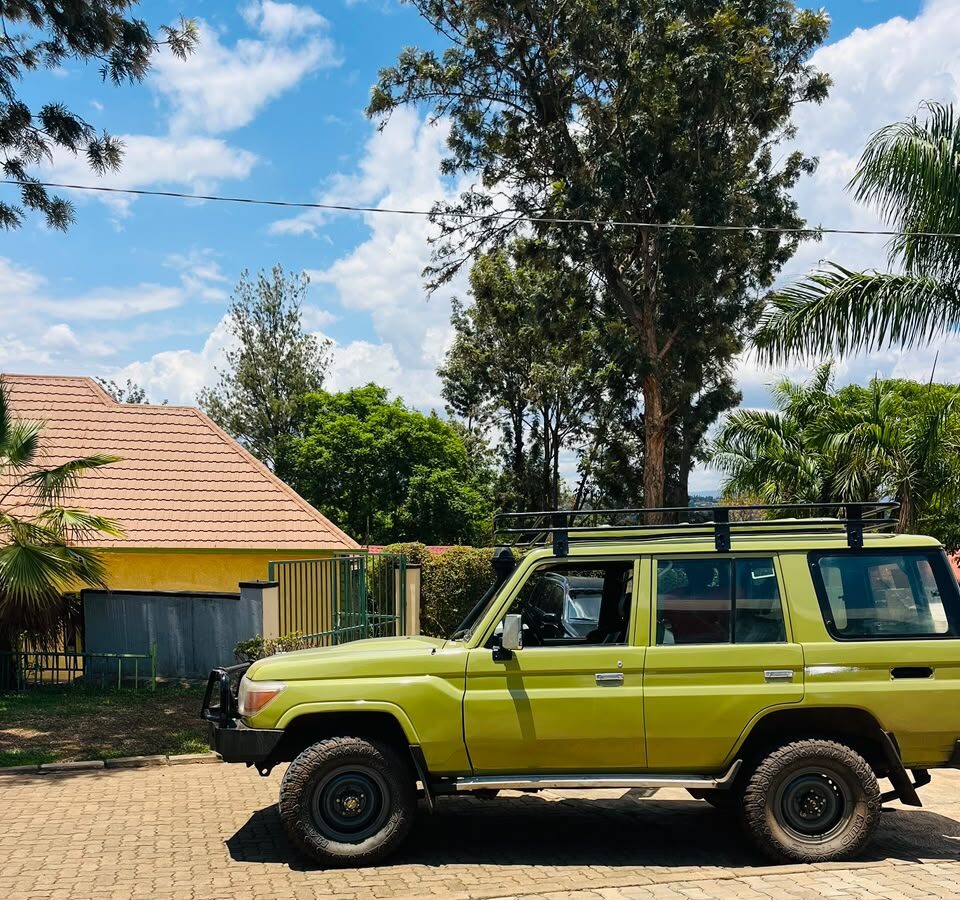
4×4 Vehicles for Challenging Access Roads
Some field assignments involve steep, uneven, muddy or otherwise difficult roads, particularly during rainy periods.
In these circumstances, a suitable 4×4 vehicle may provide advantages in traction and ground clearance. However, a 4×4 does not eliminate the risks associated with poor road conditions, and some routes may require additional planning or specialised transport.
Discuss your destinations and road conditions with your rental provider before confirming a booking.
You can also explore our 4×4 car rental options in Rwanda to understand the available options for your assignment.
Self-Drive or Chauffeur-Driven NGO car rental in Rwanda?
The best arrangement depends on your organisation’s policies, the experience of your staff and the demands of the project.
Self-Drive Car Rental
Self-drive rental may suit organisations with authorised staff who have the required driving documents and are comfortable driving in Rwanda.
It can provide flexibility for teams that manage their own schedules and need to travel independently between project locations.
Before choosing self-drive, confirm the driver’s eligibility, insurance conditions, rental agreement, mileage arrangements and procedures for breakdowns or emergencies.
Chauffeur-Driven Car Rental
A vehicle with a professional driver may be more suitable when staff need to concentrate on field activities, meetings, interviews or project coordination instead of driving.
This option can also be useful for visiting teams unfamiliar with local routes.
When requesting a quotation, clarify the driver’s working hours, daily itinerary, waiting time, overnight arrangements and any additional charges that may apply.
For more information about transport for professional assignments, read our guide to car hire for business travel in Rwanda.
Short-Term vs Long-Term NGO car rental in Rwanda Projects
The duration of your assignment is an important factor when planning vehicle hire.
Short-Term Rental for Field Missions
Short-term rental may work well for research visits, workshops, assessments, training sessions and temporary project deployments.
When booking, provide the expected collection and return dates, destinations, passenger numbers and any equipment you need to transport.
If the schedule is likely to change, ask about extensions and the conditions that apply.
Long-Term Rental for Ongoing Projects
Projects that operate for several weeks or months may benefit from discussing a longer rental arrangement with a provider.
Longer-term arrangements can help organisations plan transport for recurring field visits, staff movements and ongoing project activities.
Compare the complete quotation rather than considering only the daily rate. Confirm the rental period, insurance, mileage, maintenance responsibilities, replacement vehicle arrangements, deposits and extension terms.
Learn more in our guide to long-term car rental in Rwanda.
How to Plan an NGO Fieldwork Transport Budget
Transport expenses can form a significant part of a field project’s operating budget. Preparing a clear estimate before booking helps teams understand the likely costs and seek the appropriate approvals.
Consider the following items when preparing your transport budget:
-
- Vehicle rental: The agreed rate and the total number of rental days.
-
- Fuel: Expected travel distances, vehicle fuel consumption and planned routes.
-
- Driver costs: Applicable driver fees, overtime or overnight allowances, where relevant.
-
- Insurance and deposits: Coverage, excess amounts, refundable deposits and any exclusions.
-
- Mileage and additional charges: Mileage limits, extra days, extensions and other contractual fees.
-
- Parking and road-related expenses: Costs applicable to your itinerary.
-
- Contingency: A reasonable allowance for schedule changes or additional field visits.
Ask for a written quotation that clearly explains what is included and excluded.
For projects funded by grants or institutional budgets, ensure the quotation and rental agreement meet your organisation’s procurement, documentation and approval requirements.
What Should NGOs Check Before Booking a Rental Vehicle?
Before confirming an NGO car rental in Rwanda, review the following points with your provider.
Vehicle Suitability
Share your planned destinations, the number of passengers and the equipment you need to carry. Ask whether the proposed vehicle is appropriate for the intended roads.
Rental Agreement and Insurance
Understand the insurance coverage, excess, exclusions, permitted drivers, mileage terms and responsibilities in the event of damage or an accident.
Do not assume that all activities, roads or types of use are covered automatically.
Maintenance and Breakdown Support
For longer assignments, ask about routine maintenance arrangements, breakdown reporting and the process for obtaining assistance or a replacement vehicle if necessary.
Agree on the procedures before the vehicle is deployed to a project site.
Booking Flexibility
Field schedules can change because of weather, meetings, access restrictions or adjustments to project activities.
Discuss extension policies, early returns, changes to the itinerary and any associated charges in advance.
Required Documents and Internal Approvals
Confirm the documents needed to complete the rental and ensure that your organisation’s authorised staff approve the booking.
If your organisation requires vendor registration, formal quotations, invoices or purchase-order documentation, explain these requirements at the beginning of the process.
Transport Planning for Rural Fieldwork in Rwanda
Some NGO projects require frequent travel beyond Kigali. Before sending a team to a rural location, review the proposed route and expected driving time.
Consider the following practical steps:
-
- Map the project locations: Identify the communities, facilities and sites that the team needs to visit.
- Check road conditions: Ask local contacts about access conditions, especially after heavy rainfall.
- Allow sufficient travel time: Avoid scheduling field activities so tightly that a delay could disrupt the entire day.
- Plan fuel and rest stops: Consider the availability of fuel and services along less frequently travelled routes.
- Communicate the itinerary: Ensure the relevant colleagues know the planned destinations and expected return time.
- Prepare for emergencies: Keep appropriate contact details and follow your organisation’s field safety procedures.
- Prepare for emergencies: Keep appropriate contact details and follow your organisation’s field safety procedures.
For current official information and relevant public guidance, organisations can consult the Rwanda National Police and other relevant authorities as appropriate to their operations.
The vehicle and route should always be selected according to the specific assignment, current road conditions and the organisation’s safety requirements.
How Rwanda Cars For Rental Can Support Your Project Transport Needs
Rwanda Cars For Rental offers car rental solutions for corporate clients, organisations and project teams operating in Rwanda.
If your NGO needs transportation for community visits, research activities, monitoring and evaluation, staff movements or longer-term assignments, contact our team to discuss your requirements.
To help us understand your project, include the following information in your enquiry:
-
- Organisation or project name.
-
- Required rental dates and estimated duration.
-
- Number of passengers.
-
- Main destinations and expected travel frequency.
-
- Preferred vehicle type, if known.
-
- Whether you require self-drive or chauffeur-driven transport.
-
- Any procurement documents or quotation requirements.
Providing these details makes it easier to discuss a vehicle and rental arrangement that suits your planned activities.
You can also learn more about our corporate and long-term car rental solutions or visit Rwanda Cars For Rental to explore our services.
Planning fieldwork/NGO car rental in Rwanda?
Contact Rwanda Cars For Rental to discuss your project locations, transport schedule and vehicle requirements. We can help you explore suitable rental options for your organisation’s assignment.
Frequently Asked Questions About NGO Car Rental in Rwanda
Can NGOs rent cars in Rwanda for fieldwork?
NGOs can enquire about rental vehicles for project activities, research, community visits and other operational travel. The suitable arrangement depends on the organisation’s needs, vehicle availability, rental terms and intended routes.
What is the best vehicle for NGO fieldwork in Rwanda?
The best vehicle depends on the road conditions, passenger numbers, luggage and equipment. An economy car may suit urban visits, an SUV may offer additional space and comfort, and a suitable 4×4 may be beneficial for some difficult rural access roads.
Is long-term car rental available for NGO projects?
Organisations can enquire about long-term rental arrangements for assignments lasting several weeks or months. Confirm the duration, pricing, mileage, insurance, maintenance arrangements and extension terms with the provider.
Should NGOs choose self-drive or a car with a driver?
Self-drive may suit organisations with authorised and eligible drivers. Chauffeur-driven rental may be preferable when staff need to concentrate on project activities or are unfamiliar with local routes. The decision should also reflect organisational policies and budget.
What information should an NGO provide when requesting a quotation?
Provide the rental dates, expected duration, passenger numbers, project destinations, vehicle preferences and driving arrangement. Include any quotation, invoicing or procurement documentation requirements so these can be discussed before booking.
How can an NGO arrange car rental with Rwanda Cars For Rental?
Visit rwandacarsforrental.com to contact the team and discuss your assignment. Explain your project requirements and ask for a quotation that clearly outlines the proposed vehicle, rental period and applicable terms.
Conclusion about NGO car rental in Rwanda
Organising transportation for NGO fieldwork in Rwanda requires careful planning, an appropriate vehicle and a clear understanding of rental terms.
By considering project locations, road conditions, passenger and equipment requirements, rental duration and budget, organisations can make more informed transport decisions.
Whether your team needs a vehicle for a short research mission or an extended development project, Rwanda Cars For Rental can help you explore rental options suited to your operational needs.
Contact Rwanda Cars For Rental today to discuss your NGO’s fieldwork and project transport requirements in Rwanda.
Related Posts