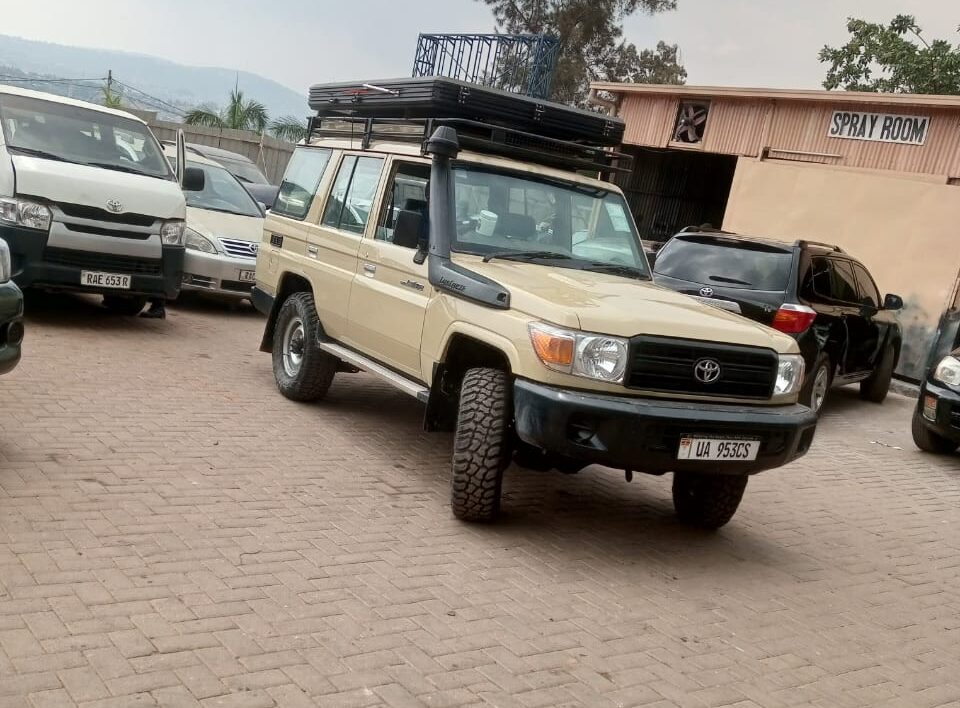

Driving a Rental Car in Rwanda’s National Parks can be a convenient way to explore…
How Much Fuel Does a Rental Car Use in Rwanda? A Guide to Fuel Costs for Travellers
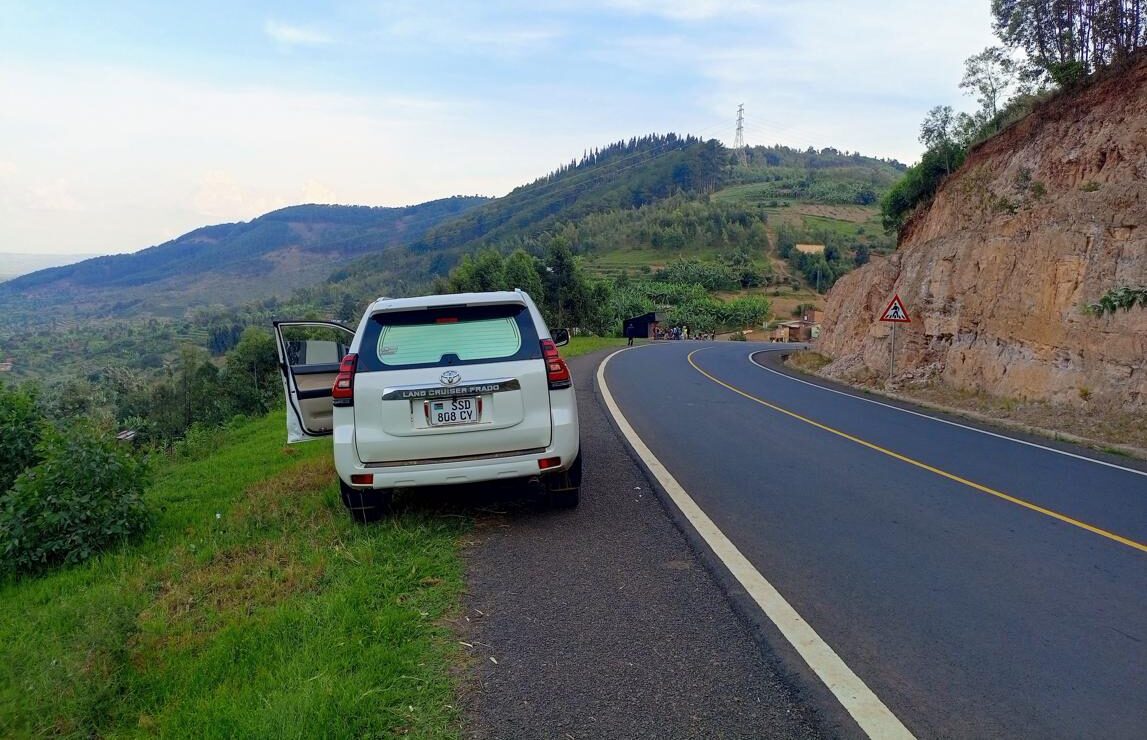
How Much Fuel Does a Rental Car Use in Rwanda? This is an important question for travellers planning to hire a vehicle for business trips, holidays, family journeys or self-drive adventures. Besides the daily rental price, fuel is another expense worth considering when preparing your travel budget. The amount of fuel a rental car uses depends on the vehicle model, engine size, distance travelled, road conditions, driving habits and the number of passengers.
Rwanda offers different driving experiences, from busy urban roads in Kigali to mountainous highways, countryside routes and destinations reached through rougher roads. A small sedan, a compact SUV and a large 4×4 vehicle will not necessarily consume the same amount of fuel when travelling under similar conditions.
Understanding rental car fuel consumption in Rwanda can help you select a suitable vehicle, estimate your travel expenses and plan your journeys more confidently. Whether you are considering a Toyota RAV4, Toyota Prado, Nissan Patrol or another rental vehicle, it is useful to understand how vehicle type and travel conditions affect fuel requirements.
Why Should You Consider Fuel Consumption Before Renting a Car in Rwanda?
When comparing rental vehicles, many travellers concentrate on the daily hire price. However, the total cost of using a vehicle also includes fuel and other expenses that may apply during the rental period.
For example, a vehicle with a lower daily rental price may not necessarily be the cheapest option for a long journey if it has a larger engine or uses more fuel. Similarly, choosing a smaller vehicle simply because it may consume less fuel is not always practical if your journey requires additional passenger space, luggage capacity or 4×4 capability.
Considering fuel consumption before booking helps you compare vehicles according to your actual travel plans. A visitor spending most of their time in Kigali may have different transportation needs from someone planning to explore several destinations across Rwanda.
Before making a booking, consider how far you intend to travel, how many people will use the vehicle, the type of roads on your itinerary and whether you need a standard car or a 4×4 SUV.
How Much Fuel Does a Rental Car Use in Rwanda?
There is no single fuel consumption figure that applies to every rental car in Rwanda. Different vehicles have different engines, weights, fuel systems and performance characteristics. Even two vehicles of the same model can have different fuel requirements depending on their engine specifications and condition.
Fuel consumption is commonly expressed in litres per 100 kilometres (L/100 km). This measurement indicates how many litres of fuel a vehicle uses to cover 100 kilometres. A lower figure generally means better fuel efficiency.
For example, if a vehicle averages 8 litres per 100 kilometres, it would theoretically require 8 litres to cover a 100-kilometre journey under the conditions represented by that average. Actual consumption can be higher or lower depending on traffic, road conditions, speed, vehicle load and driving behaviour.
When enquiring about a rental vehicle, ask the provider for the expected fuel consumption of the specific model being offered. This is more useful than relying on a general estimate for an entire vehicle category.
Which Rental Cars Use Less Fuel in Rwanda?
The amount of fuel a rental car uses depends partly on its size and engine. Smaller vehicles and some compact SUVs may use less fuel than larger, heavier 4×4 vehicles. However, the actual difference depends on the specific engine, transmission, model year and driving conditions.
If most of your travel will take place on paved roads, a sedan or compact SUV may be a practical choice. These vehicles can provide comfortable transportation without requiring the size and capabilities of a larger off-road vehicle.
For travellers who need more space or plan to visit destinations with challenging road conditions, a larger SUV may be more appropriate. In this case, the additional fuel expense may be a reasonable consideration when balanced against passenger comfort, luggage capacity and vehicle capability.
When choosing a rental vehicle, consider these general categories:
Sedans: Suitable for many city journeys and travel on paved roads. Depending on the model, engine and condition, some sedans may offer relatively economical fuel consumption.
Compact SUVs: Provide additional ground clearance and cabin space while remaining smaller than many full-size 4×4 vehicles. Their fuel consumption varies by engine and model.
Mid-size 4×4 SUVs: Often selected by travellers who need a combination of passenger comfort, luggage space and capability for different road conditions. Their fuel requirements depend on the specific vehicle.
Large 4×4 SUVs: Vehicles such as the Toyota Land Cruiser Prado and Nissan Patrol offer substantial space and performance, but their larger size and engine options can mean higher fuel consumption than smaller vehicles.
The best vehicle is not always the one with the lowest fuel consumption. It should match your itinerary, passenger requirements and road conditions.
Does a Toyota Prado Consume More Fuel Than a Smaller Rental SUV?
The Toyota Land Cruiser Prado is a popular choice for travellers who need a spacious 4×4 vehicle for exploring Rwanda. It can be suitable for family holidays, longer journeys and trips where additional ground clearance and vehicle capability are important.
Compared with some smaller SUVs, a Prado may require more fuel because of its size, weight and engine specifications. However, consumption varies considerably between Prado generations and engine versions. Petrol and diesel models should not be assumed to have identical fuel requirements.
Travellers considering a Prado should ask which model year and engine are available and whether the vehicle uses petrol or diesel. They should also request an estimate based on the actual vehicle rather than relying on a figure from a different Prado version.
What Factors Affect Rental Car Fuel Consumption in Rwanda?
Fuel consumption is influenced by several factors. Understanding them is important because the same rental vehicle may use different amounts of fuel on different journeys.
1. Road Conditions
Rwanda has a combination of urban roads, highways, hilly routes and rural roads. Driving on smooth, paved roads can produce different fuel consumption from travelling on rough or uneven surfaces.
Some journeys involve steep climbs and winding roads. Driving uphill may require more engine power, while frequent acceleration and braking can also increase fuel use.
2. Traffic in Kigali
Traffic conditions can affect fuel consumption, particularly when driving through busy areas of Kigali. Frequent stopping, waiting and accelerating in slow-moving traffic may increase fuel use compared with travelling at a steady speed.
If your itinerary includes several city appointments, allow for traffic conditions when estimating your fuel budget.
3. Vehicle Size and Engine Capacity
A vehicle’s weight and engine specifications influence how much fuel it requires. Larger SUVs and 4×4 vehicles are generally designed for different performance requirements from smaller city cars.
However, engine size alone does not determine fuel consumption. Engine technology, transmission, vehicle condition and driving conditions also matter.
4. Number of Passengers and Luggage
A heavily loaded vehicle may use more fuel than the same vehicle carrying fewer passengers and lighter luggage. This is particularly relevant for families, groups and travellers carrying equipment for longer journeys.
Choose a vehicle with enough passenger and luggage capacity, but avoid carrying unnecessary items.
5. Driving Habits
Driving behaviour can make a noticeable difference to fuel consumption. Rapid acceleration, excessive speed, unnecessary idling and frequent hard braking can increase fuel use.
Maintaining a steady and appropriate speed, accelerating smoothly and avoiding unnecessary engine idling can help improve fuel efficiency.
6. Vehicle Maintenance
Tyre pressure, engine condition, filters and general vehicle maintenance can influence fuel consumption. Before collecting a rental car, check that it appears to be in good condition and report any concerns to the rental provider.
How Can You Calculate Your Fuel Budget for a Rwanda Road Trip?
Estimating your fuel budget is easier when you know the approximate distance of your journey and the expected fuel consumption of your rental vehicle.
You can use this simple calculation:
Fuel required = Distance travelled × Average fuel consumption ÷ 100
For example, imagine your planned journey covers 300 kilometres and your rental vehicle has an estimated average consumption of 8 litres per 100 kilometres.
300 × 8 ÷ 100 = 24 litres.
In this example, the vehicle would theoretically require 24 litres of fuel for the journey. This is an illustration, not a guaranteed consumption figure for a particular rental vehicle or route.
To estimate the fuel cost, multiply the expected litres by the current price per litre of the correct fuel type.
Fuel cost = Estimated litres required × Fuel price per litre.
Remember to allow some flexibility in your budget because actual fuel consumption may change due to traffic, hills, road conditions, detours and additional journeys.
If you are planning to visit several destinations, calculate the approximate distance for the entire itinerary rather than considering only the first journey.
Is Fuel Included in Car Rental Prices in Rwanda?
Fuel arrangements can differ between rental companies and booking packages. Some rentals require customers to pay for the fuel they use, while certain chauffeur-driven arrangements may include fuel under agreed conditions.
Do not assume that fuel is included simply because you are booking a vehicle with a driver. The rental quotation should clearly explain what is covered.
Before confirming your booking, ask the rental provider:
– Is fuel included in the quoted rental price?
– If fuel is not included, who pays for it?
– Must the vehicle be returned with the same fuel level?
– Is there a specific fuel type the vehicle requires?
– Are fuel expenses calculated separately for long-distance journeys?
– Does the arrangement change for chauffeur-driven rentals?
For self-drive customers, understanding the fuel policy is particularly important because you may be responsible for refuelling the vehicle during your rental period.
You can learn more about self-drive car rental in Rwanda and the arrangements to confirm before collecting your vehicle.
Does Self-Drive or Chauffeur-Driven Rental Use More Fuel?
Fuel consumption is primarily determined by the vehicle, its condition, driving conditions and how it is operated. Having a professional driver does not automatically mean that a vehicle will consume less fuel.
However, the two rental arrangements may offer different experiences.
With self-drive car rental, you operate the vehicle yourself and normally have more control over your travel schedule. You should understand the rental company’s fuel policy and plan for refuelling during your journey.
With chauffeur-driven car rental, a professional driver handles the driving while you concentrate on your trip. Depending on the agreement, fuel may be included or charged separately. Confirm this before booking.
For travellers who are unfamiliar with Rwanda’s roads, a professional driver may also provide useful assistance with navigation and journey planning.
The best option depends on your preferences, driving experience, itinerary and the services included in the rental agreement.
You can explore our chauffeur-driven service in Rwanda if you prefer to travel with a professional driver.
How Can You Reduce Fuel Costs When Renting a Car in Rwanda?
Although you cannot control every factor affecting fuel consumption, there are practical ways to manage fuel expenses during your trip.
Choose a vehicle that matches your itinerary: If you are travelling mainly around Kigali on paved roads, you may not need a large 4×4. Choose a vehicle based on the roads and activities you have planned.
Plan your routes: Organise your destinations to reduce unnecessary driving and repeated journeys between the same locations.
Avoid unnecessary idling: Switch off the engine when safely parked for an extended period rather than leaving it running without a reason.
Drive smoothly: Gradual acceleration and appropriate speeds can help reduce unnecessary fuel consumption.
Check tyre condition: Properly maintained tyres and correct tyre pressure help the vehicle operate efficiently.
Avoid unnecessary luggage: Carry what you need, but avoid adding unnecessary weight to the vehicle.
Ask about fuel consumption before booking: Request information about the specific vehicle so you can compare options and prepare a realistic budget.
These simple steps can help you manage your travel expenses without compromising the comfort or suitability of your rental vehicle.
What Should You Ask Before Booking a Rental Car in Rwanda?
Before choosing a rental vehicle, it is useful to understand more than its daily hire price. Fuel consumption, fuel arrangements and the suitability of the vehicle for your itinerary should all be considered.
Ask the rental company to confirm:
1. The exact vehicle model and engine type.
2. Whether the vehicle uses petrol or diesel.
3. Its approximate fuel consumption under normal driving conditions.
4. Whether fuel is included in the rental quotation.
5. The fuel level and return policy.
6. Whether the vehicle is suitable for your planned destinations.
7. Whether the quoted price includes a professional driver, if required.
You should also provide your expected travel distance, number of passengers and main destinations. This information helps the rental provider recommend a suitable vehicle.
For more booking advice, read our guide on (what to check before booking car rental rwanda).
Choose the Right Rental Car for Your Journey in Rwanda
Understanding how much fuel a rental car uses in Rwanda can help you plan your travel expenses and choose a vehicle that meets your needs. A smaller vehicle may be suitable for city travel, while a spacious SUV or 4×4 may be more appropriate for longer journeys, family holidays and destinations requiring additional vehicle capability.
At Rwanda Cars for Rental, we can help you enquire about available vehicles and rental arrangements based on your travel plans. Whether you need a self-drive vehicle or a professional driver, it is important to select an option that matches your route, passenger numbers and budget.
To enquire about a rental vehicle, contact Rwanda Cars for Rental:
Email: rwandacarsforrental@gmail.com
WhatsApp: +250 785 412 878
Share your travel dates, destinations and preferred vehicle type so you can receive information about availability and the rental arrangements.
Frequently Asked Questions
1. How much fuel does a rental car use in Rwanda?
Fuel consumption depends on the vehicle’s model, engine, size, condition, driving habits and road conditions. Ask the rental provider for an estimate for the specific vehicle you intend to hire.
2. Which rental cars are more fuel-efficient in Rwanda?
Some smaller sedans and compact SUVs may use less fuel than larger 4×4 vehicles. However, fuel efficiency varies by model, engine, transmission and driving conditions.
3. Does a Toyota Prado use a lot of fuel?
The Toyota Prado is a relatively large 4×4 SUV, and its fuel consumption depends on the engine, model year, fuel type and driving conditions. Ask for details about the specific Prado available for rental.
4. Is fuel included when renting a car in Rwanda?
Fuel arrangements depend on the rental company and the agreed package. Some customers pay for the fuel they use, while certain packages may include fuel. Always confirm the fuel policy before booking.
5. Does driving in Kigali increase fuel consumption?
Heavy traffic, frequent stopping and extended idling can increase fuel consumption. Your actual fuel use will depend on traffic conditions, driving behaviour and the vehicle.
6. Should I choose a smaller car to save fuel in Rwanda?
A smaller vehicle may be a practical choice for city travel and paved roads. However, consider passenger capacity, luggage, road conditions and your destinations before deciding.
7. How can I estimate fuel costs before renting a car?
Estimate the total distance of your journey, obtain the vehicle’s approximate fuel consumption in litres per 100 kilometres and multiply the estimated fuel requirement by the current price per litre.
8. Can I ask a rental company about fuel consumption before booking?
Yes. Ask for the specific vehicle’s approximate fuel consumption, fuel type and fuel policy before confirming your reservation.
Related Posts