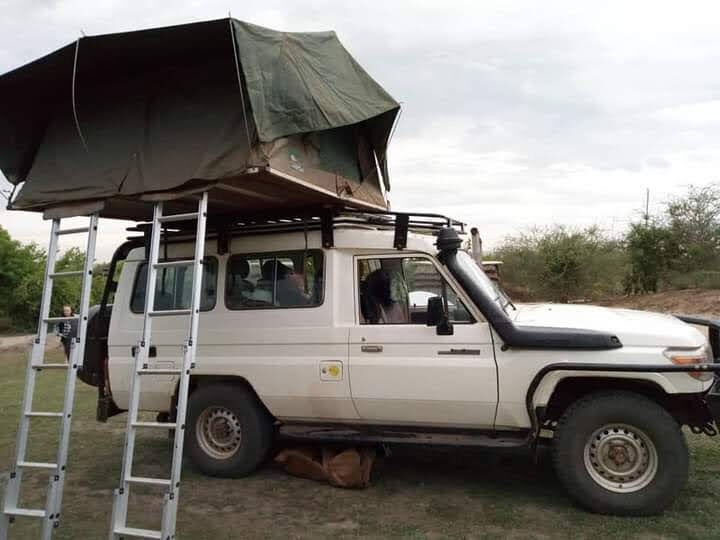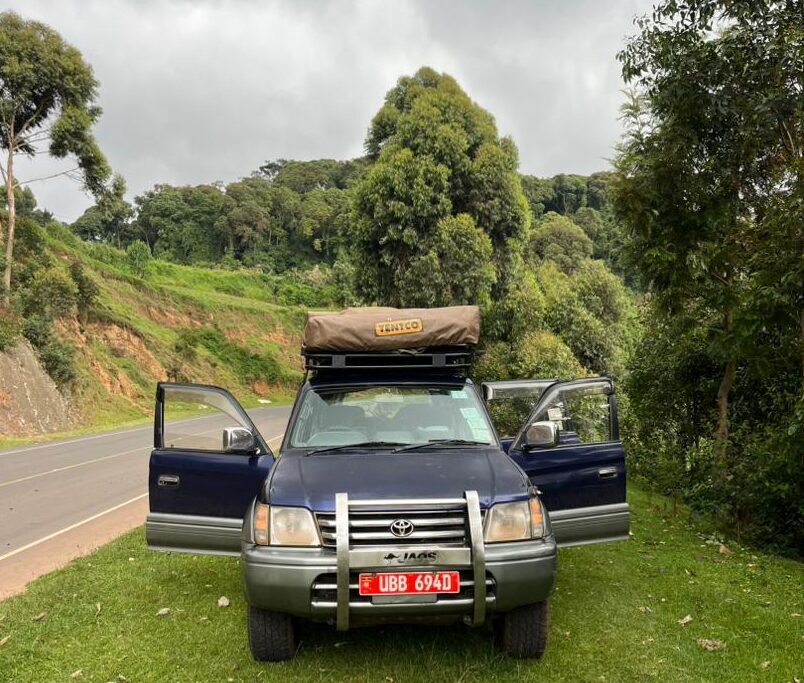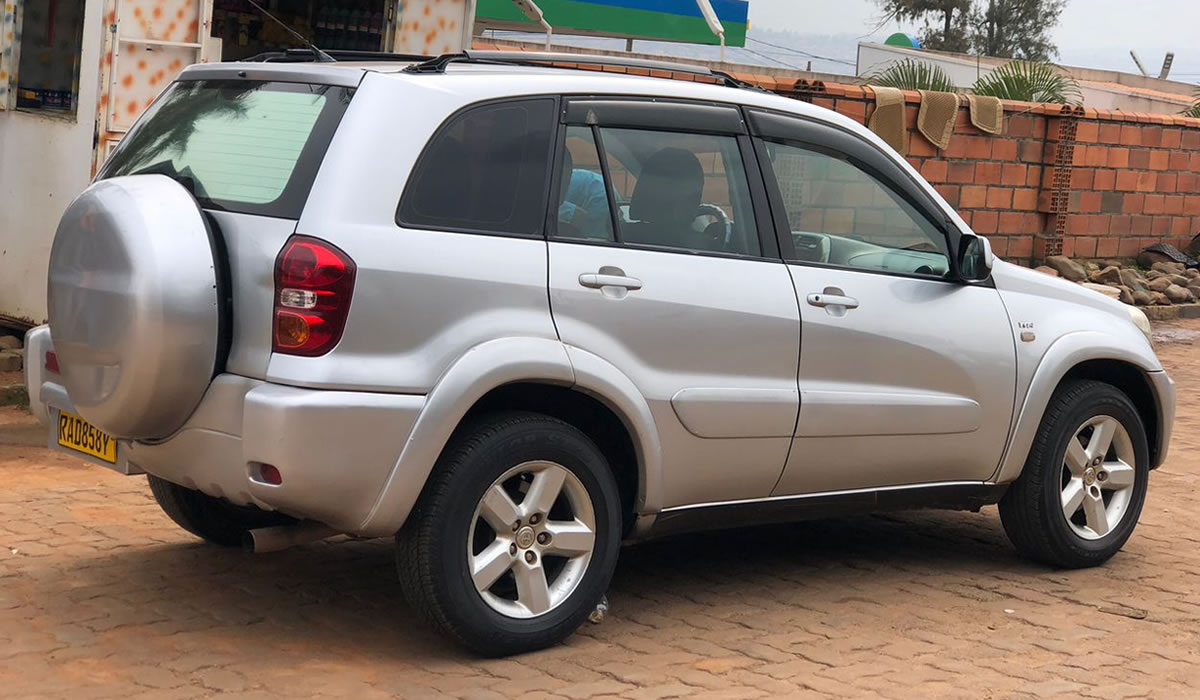

Camping in Rwanda by Car | 4x4 Rental Guide allows travelers to explore the country’s…
Driving in Rwanda as a Tourist: Road Rules, Safety and Travel Tips
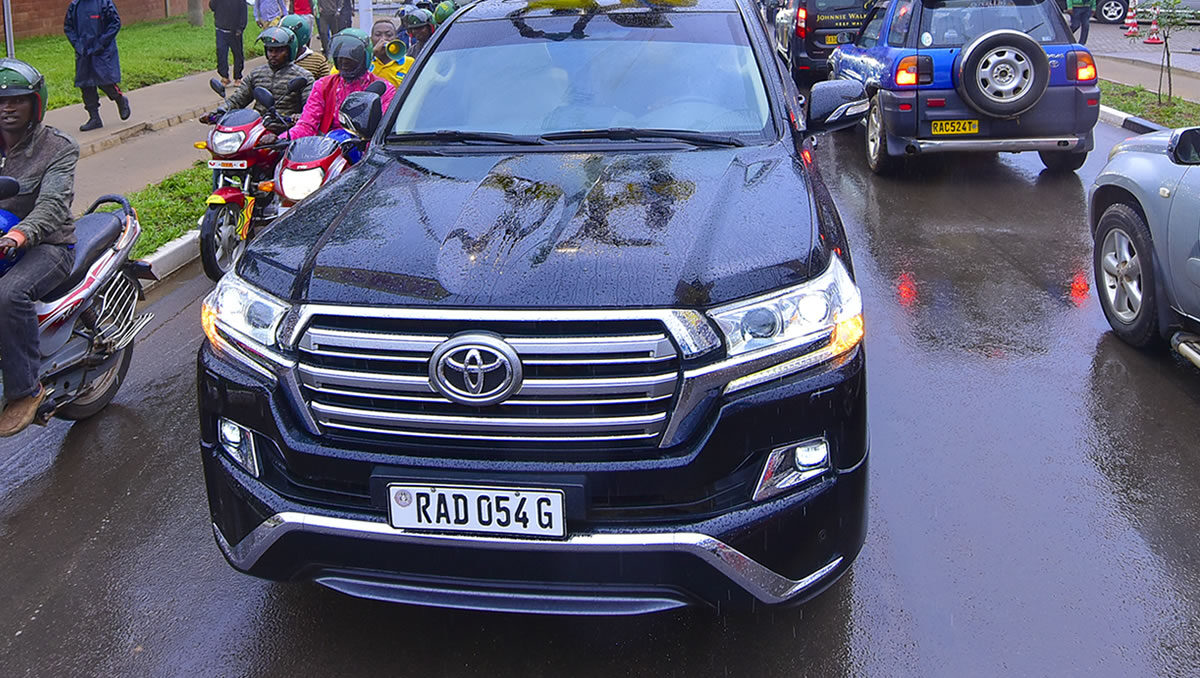
Driving in Rwanda as a Tourist: Rules, Safety and Travel Tips
Rwanda is a beautiful destination for travelers who want to explore green hills, vibrant cities, wildlife, national parks and cultural attractions. Whether you are visiting Kigali for business or planning a road trip to Volcanoes National Park, Lake Kivu, Nyungwe Forest National Park or Akagera National Park, travelling by car can give you greater flexibility.
However, before getting behind the wheel, it is important to understand Rwanda’s road rules, driving conditions, documentation requirements and safety recommendations.
In this guide, we explain what tourists should know about driving in Rwanda, how to prepare for a self-drive trip, and how to choose a suitable rental car for their journey.
1. Is Rwanda a Good Country for a Self-Drive Holiday?
Yes. Rwanda can be an excellent destination for a self-drive holiday, especially for travelers who enjoy independent exploration and want to visit several destinations during one trip.
The country has a network of paved roads connecting Kigali with many major towns and tourist destinations. However, road conditions vary depending on the route, weather and location.
Driving in Rwanda as a Tourist: Road Rules, Safety and Travel Tips requires attention to urban traffic, roundabouts, pedestrians and motorcycles. Outside the city, travelers may encounter steep hills, winding roads, rural communities, roadworks and sections that require additional care.
A self-drive holiday may suit experienced drivers who are comfortable navigating unfamiliar roads. Travelers who prefer not to drive can consider hiring a professional driver.
2. Which Side of the Road Do People Drive on in Rwanda?
Vehicles in Rwanda generally drive on the right-hand side of the road, and the steering wheel is typically on the left side of the vehicle.
Visitors who normally drive on the left should take time to adjust before entering busy traffic.
Remember to:
- Keep to the right unless road markings or signs indicate otherwise.
- Pay close attention when turning at junctions and entering roundabouts.
- Check for pedestrians, cyclists and motorcycles before turning.
- Follow traffic signs, road markings and instructions from authorised traffic officers.
If you are unfamiliar with right-hand traffic, practise in a quiet area before driving in busy parts of Kigali.
3. What Documents needed to Drive in Rwanda as a Tourist?
Before renting a vehicle, confirm that your documents meet the requirements for your nationality, immigration status and intended length of stay.
You should prepare:
- A valid driving licence appropriate for the vehicle category.
- Your passport or other accepted identification.
- An International Driving Permit if it is required for your circumstances, ideally alongside your original licence.
- Your car rental agreement and the vehicle documents provided by the rental company.
- Evidence of insurance coverage and the emergency contact details supplied with the vehicle.
Do not assume that every foreign licence is accepted under identical conditions. Contact Rwanda National Police or the relevant authority if you are uncertain about your licence.
Official reference: Rwanda National Police, Exchanging a Foreign Driving Licence.
This page discusses foreign licences for Rwandan citizens and foreign residents. Visitors should confirm the rules that apply specifically to tourists.
4. What Are the Main Road Rules in Rwanda if you plan to Drive in Rwanda as a Tourist:
Tourists should familiarise themselves with the following rules before beginning a journey.
Obey speed limits
Speed limits depend on the road and applicable traffic regulations. Always follow posted speed-limit signs and any temporary restrictions.
Avoid driving too fast on winding roads, steep descents, in residential areas or where pedestrians may cross unexpectedly.
Rwanda uses traffic cameras to detect certain offences, including speeding and red-light violations. Consult Rwanda National Police’s traffic-fines information for details.
Wear your seat belt
Drivers and passengers should use seat belts wherever fitted and comply with applicable passenger-safety requirements.
Before leaving the rental office, check that the seat belts work properly and that every passenger has an appropriate seat.
Do not use a handheld phone while driving
Avoid distractions and never type messages or browse your phone while driving. Set up your navigation before departure and stop somewhere safe if you need to check directions.
Follow traffic lights and road signs
Stop at red lights, observe road markings and follow instructions given by authorised traffic officers.
Approach junctions and roundabouts carefully. Do not assume that another driver will follow your expectations.
Never drive under the influence of alcohol or drugs
Do not drive if alcohol, drugs or medication has impaired your ability to drive safely. If you plan to drink, arrange another way to travel.
Give pedestrians and other road users space
Watch for people crossing roads, cyclists, motorcycles and vehicles stopping unexpectedly. Reduce speed near schools, markets, residential areas and busy pedestrian crossings.
For the legal wording and current regulations, consult the Rwanda National Police official resources.
5. What Are the Speed Limits in Rwanda?
Driving in Rwanda as a Tourist you have to know this:
There is no single speed limit that applies to every road. Limits depend on the road type, location, signs and applicable regulations.
Rather than relying on a number from an old travel article, follow the speed limit displayed on the road you are using. Pay particular attention when entering towns, approaching junctions, travelling through villages and passing roadworks.
Even where the permitted speed is higher, slow down when visibility is poor, the road is wet, pedestrians are nearby or the road surface is uneven.
A safe driver adjusts speed to the conditions instead of driving at the maximum permitted speed throughout the journey.
6. Is It Safe to Drive in Rwanda?
Driving in Rwanda as a Tourist: Road Rules, Safety and Travel Tips can be manageable for well-prepared visitors, but no destination is free from road risks.
Common challenges include:
- Motorcycles and other vehicles moving through dense traffic.
- Pedestrians crossing roads in towns and villages.
- Sharp bends and steep slopes in hilly areas.
- Reduced visibility during rain, fog or darkness.
- Unfamiliar junctions and changing road conditions.
- Animals, cyclists or slow-moving vehicles on rural roads.
To improve your safety, keep a safe following distance, avoid sudden manoeuvres and never drive when tired.
If you are uncomfortable driving on unfamiliar roads, hiring a professional driver may be a better option.
7. Is It Safe to Drive at Night in Rwanda?
Whenever possible, plan longer journeys during daylight, particularly if you are unfamiliar with the route.
At night, it can be harder to see pedestrians, cyclists, motorcycles, road damage and animals. Rain and fog can make visibility worse.
If you must travel after dark:
- Reduce your speed and use your lights correctly.
- Keep your windscreen clean and ensure your headlights work.
- Avoid overtaking when visibility is limited.
- Take a break if you feel tired.
- Check your route and estimated arrival time before leaving.
For trips to national parks and rural destinations, allow enough time to arrive safely rather than rushing to reach your accommodation.
8. What Should You Know About Driving in Rwanda as a Tourist especially Outside Kigali ?
Rwanda’s countryside offers beautiful scenery, but rural driving can be different from driving in the capital.
Routes toward Musanze and Volcanoes National Park pass through hilly landscapes. Journeys toward Lake Kivu may involve winding roads, while trips to Nyungwe Forest National Park can include long stretches through mountainous terrain.
Akagera National Park has different road conditions again, particularly on routes inside the park.
Before travelling:
- Check the route and current road conditions.
- Start early enough to complete the journey in daylight.
- Allow extra time for stops, weather and unexpected delays.
- Refuel before entering remote areas if necessary.
- Carry drinking water and keep your phone charged.
- Confirm whether your accommodation or destination requires a particular type of vehicle.
A four-wheel-drive vehicle may be appropriate for some itineraries, but not every tourist needs one. Choose according to your route, season, luggage and passenger requirements.
9. Should You Rent a Car or Hire a Driver in Rwanda as a Tourist ?
The best choice depends on your experience, itinerary and travel preferences.
Self-drive car rental
A self-drive rental gives you flexibility to decide when to leave, where to stop and how long to spend at each destination.
It can be suitable for experienced drivers who are comfortable navigating unfamiliar roads and following local traffic rules.
Before booking, check the insurance terms, mileage policy, deposit, fuel policy, breakdown assistance and permitted travel areas.
Car rental with a professional driver
Hiring a vehicle with a driver allows you to focus on the scenery and your travel plans rather than navigating unfamiliar roads.
It can be especially useful for first-time visitors, business travellers, families and travellers planning multiple destinations.
When comparing offers, ask whether the quoted price includes fuel, the driver’s accommodation on longer trips, parking fees and other expenses.
Which option is better?
Choose self-drive if independence is your priority and you are confident driving in unfamiliar conditions. Choose a professional driver if you value convenience, local assistance and a more relaxed journey.
The right option is the one that suits your itinerary, budget and comfort level.
10. How Can You Choose the Right Rental Car?
Your destination should influence your vehicle choice.
- Compact car or sedan: Consider for city travel and suitable paved-road itineraries with light luggage.
- SUV: Useful for travelers who want more space, luggage capacity and ground clearance.
- Four-wheel-drive vehicle: Consider when your route or destination conditions make it necessary.
- Van or larger vehicle: Appropriate for families and groups travelling together.
Ask the rental company to recommend a vehicle based on your actual itinerary rather than choosing solely by appearance or price.
Before accepting the car, inspect the tyres, lights, brakes, windscreen, seat belts and spare tyre or breakdown equipment. Photograph any existing damage and ensure it is recorded in the rental agreement.
11. What Should You Do if You Have a Breakdown or Accident?
Before starting your trip, save your rental company’s emergency number and confirm the procedure for reporting an accident or mechanical problem.
If an incident occurs:
- Stop in a safe location if possible and protect yourself and your passengers from traffic.
- Contact emergency services if anyone is injured or in immediate danger.
- Inform the police when required and follow official instructions.
- Contact your rental company and insurer promptly.
- Document the incident and vehicle damage when it is safe and appropriate to do so.
- Do not agree to repairs or make admissions on behalf of the rental company or insurer without understanding the applicable procedure.
Do not leave the scene of a serious incident without following the legal requirements and instructions from the authorities.
12. Practical Tips Before Starting Your Rwanda Road Trip
Use this checklist before leaving your hotel or rental office.
- Confirm your route and expected driving time.
- Check the weather forecast.
- Carry your driving license and required vehicle documents.
- Confirm what your rental insurance covers.
- Save offline maps in case mobile data is unavailable.
- Keep your phone charged and carry a charging cable.
- Bring water and take regular breaks.
- Keep valuables out of sight when leaving the car.
- Park legally in safe, appropriate locations.
- Allow extra time for photographs, meals and sightseeing.
For national park visits, confirm entry arrangements, permitted routes and vehicle requirements directly with the relevant park or official tourism authority.
13. Frequently Asked Questions About Driving in Rwanda
Can foreigners drive in Rwanda?
Foreign visitors should confirm that their driving licence is valid and accepted for their circumstances before driving. Check with Rwanda National Police if you are uncertain about the documentation required.
Do tourists need an International Driving Permit?
Requirements can depend on the license issued in your home country and your legal status in Rwanda. Verify the applicable requirements with the relevant Rwandan authority before travelling.
Is self-driving recommended for first-time visitors?
It can be suitable for confident, experienced drivers who prepare carefully. Visitors who are unfamiliar with right-hand traffic, hilly roads or local driving conditions may prefer a professional driver.
Can I drive from Kigali to Volcanoes National Park?
Yes, visitors commonly travel by road from Kigali toward Musanze and Volcanoes National Park. Allow sufficient time, check current conditions and arrange your park activities in advance.
Do I need a 4×4 to explore Rwanda?
Not for every trip. Many main routes are paved, but certain destinations and road conditions may make a higher-clearance or four-wheel-drive vehicle more appropriate.
Are traffic cameras used in Rwanda?
Yes. Rwanda National Police provides information about camera-detected speeding and red-light offences. Follow posted signs and applicable traffic regulations.
What is the best way to explore Rwanda by road?
The best approach depends on your destinations, time, budget and driving experience. A self-drive rental offers flexibility, while a rental with a professional driver can make a multi-stop trip more convenient.
Final Thoughts about Driving in Rwanda as a Tourist
Driving in Rwanda as a Tourist: Road Rules, Safety and Travel Tips can be a rewarding way to discover the country’s cities, landscapes and tourist attractions. The key is to prepare properly, understand the road rules, choose a suitable vehicle and leave enough time for every journey.
Whether you prefer the independence of self-drive travel or the convenience of a professional driver, careful planning can help you enjoy a safer and more comfortable trip.
Before setting off, confirm current driving requirements with the appropriate authorities and make sure your rental arrangements meet your travel needs.
Planning your trip to Rwanda? Explore our car rental options, compare vehicles and contact our team to find a suitable transport solution for your journey.
Related Posts