
Kigali, the capital of Rwanda, is a wonderful destination and has the Best Places to…
Driving in Rwanda During the Rainy Season: Road Conditions, Safety Tips and the Best Rental Cars
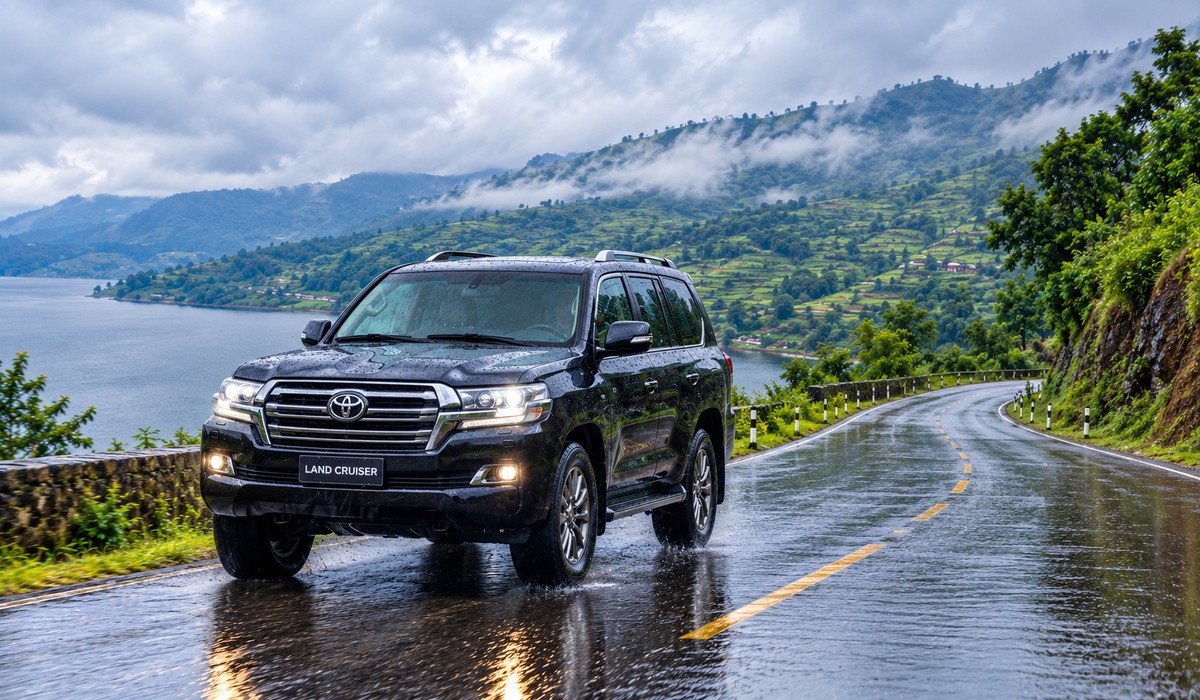
Rwanda is famous for its green hills, scenic countryside, wildlife safaris and beautiful national parks. Driving through the country allows travelers to explore these attractions at their own pace, from the busy streets of Kigali to the countryside surrounding Akagera National Park and the mountainous region near Volcanoes National Park. However, if you plan Driving in Rwanda During the Rainy Season, understanding road conditions and choosing the right rental car can make a significant difference to your journey.
Driving in Rwanda during the rainy season requires careful planning, appropriate vehicle selection and an understanding of local road conditions. Main paved roads can remain suitable for travel, but heavy rainfall may reduce visibility, make surfaces slippery and cause localized flooding or landslides. Some unpaved rural roads and park tracks can become difficult or temporarily impassable.
Whether you are visiting Rwanda for business, gorilla trekking, a wildlife safari or a self-drive holiday, this guide explains how to prepare for wet-weather driving, which vehicles to consider, and what to check before booking a rental car.
At Rwanda Cars For Rental, we help travelers explore vehicle rental options for journeys across Rwanda. If you are planning to drive during the rainy season, contact our team to discuss your route and find a vehicle that suits your travel requirements.
When Is the Rainy Season in Rwanda?
Rwanda generally experiences two rainy seasons. The longer rainy period runs approximately from mid-February to May, while the shorter rainy season usually occurs from around mid-September to mid-December. Exact timing and rainfall intensity can vary from year to year and between regions.
According to Visit Rwanda’s weather guide, Rwanda’s climate varies with elevation and geography. The country’s mountainous western regions, eastern savannah and central highlands can experience different weather conditions.
The Long Rainy Season: February to May
The long rainy season brings frequent rainfall across many parts of the country, with April often experiencing particularly heavy rain.
Travelers visiting during this period should allow extra time for road journeys, especially when traveling through mountainous areas or using unpaved roads. Heavy downpours can affect visibility, increase braking distances and create hazardous conditions where water accumulates on the road.
If you are planning a self-drive safari, confirm the condition of your intended route and the availability of campsites or accommodation before departure.
The Short Rainy Season: September to December
The shorter rainy season can also bring substantial showers, sometimes concentrated in the afternoon or evening.
A sunny morning does not guarantee dry roads for the entire day. Travelers should check the forecast, carry suitable rain protection and avoid planning long journeys that depend on reaching an unfamiliar destination after dark.
For visitors collecting a rental car at Kigali International Airport, it is sensible to discuss your arrival time, destination and expected driving conditions before beginning a long journey.
What Are Road Conditions Like Driving in Rwanda During the Rainy Season?
Road conditions depend on the route, road surface, drainage, recent rainfall and local maintenance. It is important to distinguish between paved highways and smaller rural roads rather than assuming that every road becomes difficult during the rainy season.
1. Main Roads Between Kigali and Major Towns
Many major routes connecting Kigali with other towns are paved. These roads can generally remain usable during rainy weather, although wet surfaces, reduced visibility and winding sections require extra care.
Even on paved roads, drivers should reduce speed when conditions deteriorate, maintain a generous following distance and avoid sudden braking or sharp steering.
Do not assume that a main road is free from hazards simply because it is paved. Heavy rainfall can cause localized flooding, debris on the road or temporary disruption.
2. Rural and Unpaved Roads
Some rural roads, access tracks and smaller roads outside urban areas are unpaved. During heavy rain, these surfaces can become muddy, slippery or difficult to navigate while you are Driving in Rwanda During the Rainy Season.
Before setting off, ask about the condition of the specific route you intend to use. A suitable four-wheel-drive vehicle may be helpful where ground clearance and traction are required, but even a capable 4×4 cannot make every road safe in severe weather.
If a route is reported to be impassable or unsafe, postpone the journey or select a suitable alternative.
3. Mountainous and Winding Roads
Rwanda’s hills and mountainous landscapes are part of what makes the country so beautiful. They also mean that many journeys involve bends, steep gradients and changes in elevation.
When the road is wet, approach bends slowly, leave enough room to stop and avoid overtaking where visibility is limited. Descend hills at a controlled speed rather than relying on sudden braking.
If you are unfamiliar with local roads, allow additional travel time and consider a chauffeur-driven rental for routes where you would prefer assistance from a local driver.
4. Flood-Prone Areas and Landslide Risks
Heavy rainfall can overwhelm drainage systems and cause flooding in low-lying areas. Saturated slopes can also experience landslides or falling debris.
Never drive through floodwater when its depth, current or underlying road condition is uncertain. Water may conceal potholes, damaged road surfaces or a washed-out section.
A four-wheel-drive vehicle is not a guarantee of safety in floodwater. If a road is flooded, blocked or affected by a landslide, turn around where safe and follow official guidance.
Which Rental Car Is Best for Driving in Rwanda During the Rainy Season?
Choosing the right vehicle depends on where you plan to travel, the number of passengers, your luggage and the road conditions you expect to encounter.
A larger vehicle is not automatically necessary for every rainy-season journey. For city travel and paved highways, a well-maintained standard car may be sufficient. For some rural routes and safari tracks, a suitable 4×4 may be a better choice.
Toyota RAV4: For City Travel and Suitable Paved Routes
The Toyota RAV4 is worth considering for couples, small families and travelers who want an SUV for everyday journeys.
It can be a practical option for travel around Kigali and trips along suitable paved roads, depending on the model, tyres and current conditions.
If your itinerary includes remote locations, muddy roads or demanding national park tracks, discuss the route with your rental company before choosing the vehicle.
Toyota Land Cruiser Prado: For Longer Trips and Selected Rough Roads
The Toyota Land Cruiser Prado is a popular 4×4 option for travelers who need additional ground clearance and four-wheel-drive capability.
Depending on the specific vehicle and road conditions, it may be suitable for countryside travel, some rougher access roads and safari itineraries.
Before booking, confirm the vehicle’s capabilities, permitted routes, insurance conditions and whether your planned journey requires a particular 4×4 specification.
Toyota Land Cruiser V8: For Certain Safari and 4×4 Journeys
A Toyota Land Cruiser V8 may suit travelers who want a larger, powerful 4×4 for a longer journey or a safari-focused itinerary.
Its suitability depends on the actual vehicle configuration, available space, rental terms and route requirements. Do not choose a vehicle based on size alone; tyres, maintenance, ground clearance and driver experience also matter.
Standard Cars: For Many Urban Journeys
A standard car may be appropriate for travelers who plan to stay mainly in Kigali and use paved roads in ordinary conditions.
Whatever the vehicle type, ensure the tyres, brakes, windscreen wipers and lights are in good working order. No vehicle type removes the need to adjust driving to the weather.
10 Essential Safety Tips for Driving in Rwanda During the Rainy Season
Preparing for wet-weather driving is one of the most important steps you can take before beginning a self-drive trip.
1. Check the Weather Forecast Before Leaving
Check the latest weather forecast and any relevant local travel or road advisories before a long journey.
The Rwanda Meteorology Agency provides weather information that can help you plan around rainfall and other weather conditions.
If heavy rain is forecast along your route, consider leaving later, changing your itinerary or postponing travel until conditions improve.
2. Inspect the Tyres Before Your Journey
Tyres are essential for maintaining traction on wet roads. Check that the tyres have adequate tread and are properly inflated, and inspect them for visible damage.
Ask the rental company to address any concerns before you accept the vehicle. Also confirm that a usable spare tyre and the appropriate changing equipment are available if included in the vehicle’s standard safety equipment.
3. Test the Windscreen Wipers and Lights
Windscreen wipers must clear rain effectively without leaving large streaks that obstruct your view.
Check that the headlights, tail lights and indicators work properly. Use your lights appropriately when visibility is reduced and follow local traffic rules.
If the windscreen cannot be kept clear enough to drive safely, stop at a safe location and wait until visibility improves.
4. Reduce Your Speed on Wet Roads
Wet surfaces can increase stopping distances and make it easier to lose traction.
Drive below the posted speed limit when conditions require it, slow down before bends and avoid sudden acceleration, braking or steering.
The appropriate speed depends on visibility, surface conditions, traffic and the road itself. Do not maintain a particular speed simply because another driver is doing so.
5. Leave More Distance Between Vehicles
Increasing your following distance gives you more time to respond if the vehicle ahead brakes unexpectedly.
Avoid following other vehicles too closely, especially on downhill sections, winding roads or roads where standing water is present.
6. Never Drive Through Dangerous Floodwater
Floodwater can hide damaged road surfaces, deep holes and strong currents. It can also cause a vehicle to lose traction or be swept away.
If water covers the road and you cannot establish that the crossing is safe, do not attempt it. Turn around where possible and seek an alternative route.
Do not follow another vehicle through floodwater just because it appears to have crossed successfully.
7. Avoid Driving Through Severe Rain or Poor Visibility
If heavy rain makes it difficult to see road markings, pedestrians or other vehicles, find a safe place away from moving traffic and wait for conditions to improve.
Avoid stopping on a blind bend, steep slope or narrow shoulder. If visibility is poor, do not continue simply because you need to reach your destination by a particular time.
8. Plan for Daylight Driving
Whenever practical, schedule unfamiliar rural routes and long-distance journeys during daylight.
Rain, limited lighting and pedestrians or cyclists can make night driving more challenging, particularly outside larger towns.
If your flight arrives late at Kigali International Airport during heavy rain, consider arranging a transfer or chauffeur-driven vehicle rather than beginning a long unfamiliar drive immediately.
9. Keep Emergency Essentials in the Vehicle
Before departure, confirm the location of the vehicle’s spare tyre, jack, warning triangle and first-aid kit, where provided.
Carry a charged mobile phone, drinking water, rain protection and the rental company’s roadside assistance contact details.
Ask what to do if the vehicle develops a problem, becomes stuck or cannot safely continue. Save the contact information before leaving an area with reliable mobile coverage.
10. Follow Local Advice and Road Restrictions
Weather and road conditions can change quickly. Follow official warnings, road closures, instructions from authorities and advice from your rental provider.
If a route to a national park, rural community or other destination becomes unsafe, change your plans rather than attempting to continue.
For further official safety guidance, consult the Rwanda National Police and relevant local authorities.
Is a 4×4 Necessary for Rwanda’s Rainy Season?
Not always. A 4×4 is not automatically necessary simply because it is raining.
For many journeys on paved roads, an appropriately maintained standard car can be suitable in ordinary wet-weather conditions. The important considerations are the actual road surface, weather forecast, tyres, vehicle condition and driver’s experience.
A capable 4×4 may be beneficial for certain rural roads, rough access routes and authorized safari tracks, particularly when they are muddy or uneven. However, even a 4×4 should not be driven onto a flooded road, unstable slope or route that authorities have declared unsafe.
When booking with Rwanda Cars For Rental, explain your complete itinerary so the team can help you consider the most appropriate available vehicle.
Driving to Rwanda’s National Parks During the Rainy Season
Rwanda’s national parks attract travelers throughout the year. Rainy weather does not automatically prevent a visit, but it makes planning and checking local conditions especially important.
Akagera National Park
Akagera National Park is known for its wildlife and savannah landscapes. Travelers planning a self-drive safari should check the park’s latest access information, permitted routes and road conditions.
Some game-drive tracks can become muddy or difficult after heavy rain. Ask the park and your rental provider whether your planned route is suitable for your vehicle.
Do not assume that every rental vehicle is permitted on every park track.
Volcanoes National Park
Volcanoes National Park is a major destination for mountain gorilla trekking. Travelers usually arrange transport to the Musanze and Kinigi area before their scheduled activities.
During the rainy season, allow extra time for the journey and check conditions before departure. If you have an early trekking briefing, consider arriving in the area the previous day rather than relying on a long drive on the morning of your activity.
A suitable SUV or 4×4 may be useful depending on your route, but confirm the actual road conditions and rental restrictions before choosing.
Nyungwe Forest National Park
Nyungwe Forest is known for forest trails, birdlife and nature experiences. Its mountainous setting means that rain, mist and winding roads should be considered when planning a visit.
Check your route and weather forecast, leave sufficient time for the drive and confirm your accommodation before departure.
For any national park journey, follow park rules and use only authorized roads and designated visitor facilities.
Self-Drive or Chauffeur-Driven Car Rental During the Rainy Season?
The right option depends on your driving experience, budget, itinerary and comfort level.
When Self-Drive Makes Sense
Self-drive car rental may suit travelers who have the appropriate driving documents, are comfortable navigating unfamiliar roads and prefer to manage their own itinerary.
Before booking, confirm the rental requirements, insurance terms, permitted routes and roadside support arrangements. Ask for a vehicle handover demonstration and make sure you understand what to do if the weather changes.
When a Chauffeur-Driven Car May Be Better
A chauffeur-driven rental may be a good option for visitors who are unfamiliar with Rwanda’s roads, prefer not to drive in heavy rain or want to focus on enjoying the journey.
It can also simplify travel planning for business visitors, families and travelers with tightly scheduled activities.
Ask about driver availability, daily working hours, accommodation or other applicable charges, and whether the driver can support your planned itinerary.
Compare both options before making your decision.
How to Prepare Your Rental Car Before Driving in Rwanda during the rainy season Trip
Before leaving the rental location, take a few minutes to inspect the vehicle and confirm the arrangements.
Use this points:
- Inspect the tyres for visible damage and adequate tread.
- Test the windscreen wipers and washer system.
- Check that the headlights, tail lights and indicators work.
- Confirm that the brakes feel normal during a cautious initial drive.
- Locate the spare tyre and emergency equipment, where provided.
- Save the rental company’s contact and roadside assistance details.
- Confirm insurance coverage, excess and accident procedures.
- Check the route, weather forecast and expected travel time.
- Confirm that your planned roads are permitted under the rental agreement.
- Ask about any known road closures or weather-related restrictions.
If you notice a safety issue, ask the rental company to resolve it before departure.
How Much Does It Cost to Rent a Car in Rwanda During the Rainy Season?
Rental prices vary according to the vehicle, rental duration, season, insurance arrangements and any additional services or equipment requested.
A standard car may be a cost-effective option for urban travel, while a 4×4 can be worth considering for an itinerary that requires additional ground clearance or four-wheel-drive capability.
Do not assume that Driving in Rwanda During the Rainy Season the rentals always cost more or less. Request a quotation for your exact dates and compare what each provider includes.
When requesting a quote from Rwanda Cars For Rental, provide:
- Your pickup and return dates.
- The number of passengers and amount of luggage.
- Your intended destinations and road itinerary.
- Whether you prefer self-drive or chauffeur-driven service.
- Any special requirements, such as additional equipment or airport collection.
For more information, visit our Kigali car rental prices guide or Email: rwandacarsforrental@gmail.com
Frequently Asked Questions About Driving in Rwanda During the Rainy Season
1. Is it safe to drive in Rwanda during the rainy season?
It can be safe to drive when conditions are suitable and you take appropriate precautions. Check the forecast, maintain a safe speed, inspect your vehicle and avoid flooded or closed roads. Postpone your journey if conditions become dangerous.
2. Which months are rainy in Rwanda?
Rwanda generally has a longer rainy season from around mid-February to May and a shorter rainy season from around mid-September to mid-December. Actual conditions vary by year and location, so check the forecast for your travel dates.
3. Do I need a 4×4 to drive in Rwanda when it rains?
Not necessarily. A well-maintained standard car may be suitable for many paved routes. A 4×4 may be more appropriate for certain rough rural roads and safari tracks, depending on the conditions. No vehicle should be driven through dangerous floodwater.
4. Is it possible to visit Akagera National Park during the rainy season?
A visit may be possible, but access and track conditions can vary. Check current park information and confirm that your planned route is suitable for your vehicle before setting out.
5. What should I check before collecting a rental car in Rwanda?
Inspect the tyres, wipers, lights and general vehicle condition. Confirm insurance terms, roadside assistance, emergency equipment and permitted routes. Report any safety concerns before accepting the vehicle.
6. Should I avoid driving at night during the rainy season?
Where possible, plan unfamiliar rural and long-distance journeys during daylight. Heavy rain, poor visibility and limited lighting can make night driving more challenging. If conditions become unsafe, stop at an appropriate safe location and wait.
7. Is a Toyota Prado a good choice for rainy-season travel in Rwanda?
A Toyota Prado may be a suitable option for some longer journeys and routes requiring 4×4 capability. Its suitability depends on the model, condition, tyres, road conditions and rental restrictions. Discuss your itinerary with your rental provider before booking.
8. Can I rent a car with a driver in Rwanda during the rainy season?
You can ask rental providers about chauffeur-driven options and availability for your dates. A local driver may be helpful if you are unfamiliar with the roads or prefer not to drive in wet conditions.
9. What should I do if a road is flooded while i am Driving in Rwanda during the rainy season?
Do not enter floodwater when its depth, current or road condition is uncertain. Turn around where safe, follow official instructions and seek an alternative route. A 4×4 does not eliminate the risks of flooding.
10. How can I book a suitable rental car for a rainy-season trip?
Contact Rwanda Cars For Rental with your dates, destinations, passenger numbers and preferred rental arrangement. Ask the team to confirm vehicle availability, the appropriate vehicle for your itinerary, total price, insurance terms and roadside assistance.
Book Your Rwanda Rental Car with Confidence
Driving in Rwanda during the rainy season can still be a rewarding way to discover the country’s landscapes, wildlife and vibrant communities when conditions are suitable and your journey is well planned.
The key is to understand your route, choose a properly maintained vehicle, check the weather and allow enough time for changing conditions. A standard car may suit many paved-road journeys, while a suitable 4×4 can be beneficial for certain rural routes and safari tracks.
At Rwanda Cars For Rental, we can help you explore rental options for your trip, whether you need an economical car for Kigali, an SUV for a countryside journey or a 4×4 for an appropriate safari itinerary.
Planning a trip to Rwanda during the rainy season?
Contact Rwanda Cars For Rental to discuss your travel plans, ask about available vehicles and request a quotation.
- Email: rwandacarsforrental@gmail.com
- Phone / WhatsApp: +250 785 412 878
- Website: https://rwandacarsforrental.com/
Plan carefully, drive according to the conditions and enjoy discovering Rwanda responsibly.
Related Posts