
Rwanda is widely recognized as one of Africa's notable producers of specialty coffee. Known for…
Rwanda Tea Plantations: Best Places to Visit and Discover Rwanda’s Tea Culture
Rwanda Tea Plantations: Best Places to Visit and Discover Rwanda’s Tea Culture
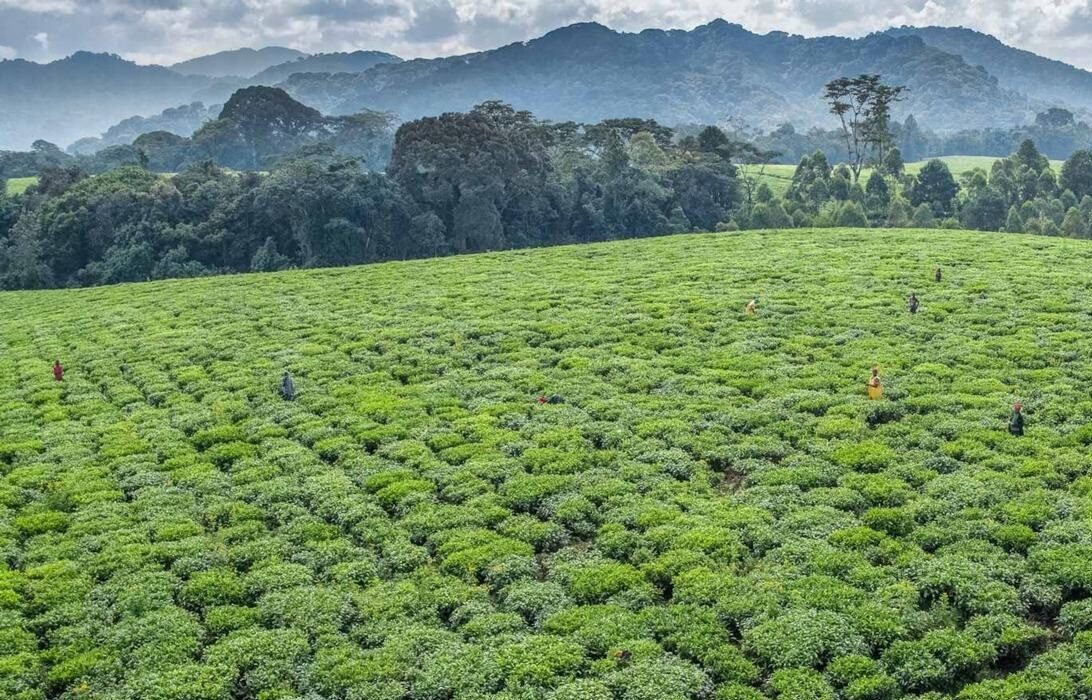
Rwanda is famous for its beautiful landscapes, mountain gorillas, national parks and welcoming communities. However, there is another side of the country that deserves attention: its beautiful tea plantations. Across Rwanda’s green highlands, large areas of land are covered with carefully maintained tea gardens, creating some of the most attractive agricultural landscapes in East Africa.
For visitors looking for something different from the usual wildlife safari, exploring Rwanda’s tea plantations offers an opportunity to discover the country’s agricultural heritage, meet local communities and learn how tea travels from the green fields to the cup.
Rwanda’s tea-growing regions are particularly attractive because of their rolling hills, cool highland climate and proximity to destinations such as Nyungwe Forest and Lake Kivu. Whether you are interested in photography, cultural experiences, agriculture or simply enjoying beautiful scenery, a visit to a Rwandan tea plantation can become a memorable part of your journey.
In this guide, we explore the best-known tea plantation destinations in Rwanda, how tea is produced, what visitors can experience and how to explore these beautiful places by rental car.
1. Why Rwanda Is Famous for Its Tea Plantations
Rwanda is one of Africa’s recognised tea-producing countries. Tea cultivation began in Rwanda during the 1950s and has grown into an important agricultural export industry.
The country’s high elevation, suitable rainfall, fertile soils and moderate temperatures create favourable conditions for tea cultivation. Many plantations are located in the Western and Southern Provinces, where green hills and highland landscapes provide ideal scenery for tea growing.
Rwanda produces mainly black tea, although green, white and specialty teas are also processed. The country is recognised internationally for its tea quality, distinctive flavour and bright colour.
According to Rwanda’s National Agricultural Export Development Board (NAEB), the tea industry involves tens of thousands of farmers organised through cooperatives and out-grower arrangements. Tea production therefore contributes not only to exports but also to the livelihoods of rural communities.
2. Gisakura Tea Estate: Discover Tea Near Nyungwe Forest
Gisakura Tea Estate is one of the best-known tea-growing destinations in Rwanda. Located near the western edge of Nyungwe Forest National Park, it offers visitors an opportunity to experience the contrast between carefully maintained tea gardens and the natural rainforest.
The green tea fields stretch across rolling hills, creating a beautiful landscape for photography and countryside exploration.
Visitors can arrange tea experiences and learn about the cultivation and production of Rwandan tea. The area is also an interesting place to combine agricultural tourism with a visit to Nyungwe Forest.
What to experience at Gisakura Tea Estate
- Enjoy views of the green tea plantations.
- Learn about tea cultivation and harvesting.
- Discover how tea is processed.
- Arrange a tea tasting experience.
- Explore the surrounding countryside.
- Combine your visit with activities in Nyungwe Forest National Park.
For travellers visiting Nyungwe, Gisakura is an attractive addition to a wider itinerary through Rwanda’s Southern and Western Provinces.
3. Gisovu Tea Estate: Beautiful Tea Landscapes in Rwanda’s Western Province
Gisovu Tea Estate is another notable destination for visitors interested in Rwanda’s tea culture.
Located in the highlands of Karongi District, the estate is known for its beautiful tea-growing landscape and scenic surroundings. The area offers impressive views across the countryside and towards Lake Kivu and the Congo-Nile Divide.
Gisovu is particularly interesting for visitors who want to learn more about tea production while enjoying Rwanda’s natural scenery.
Things to enjoy around Gisovu
- Walk through the green tea-growing landscapes.
- Discover the history of tea production in the area.
- Learn about tea processing.
- Arrange a tasting experience where available.
- Enjoy countryside photography.
- Combine the visit with a wider trip around Lake Kivu.
A visit to Gisovu can be a wonderful experience for travellers who enjoy peaceful destinations, agricultural landscapes and authentic local experiences.
4. How Tea Is Grown and Harvested in Rwanda
Tea production begins in the plantation, where tea bushes are carefully maintained to encourage the growth of fresh leaves.
Farmers regularly manage the plants through pruning, weeding and other agricultural practices. When the leaves are ready, workers carefully harvest the suitable young shoots.
Tea harvesting is an important activity in Rwanda’s tea-growing communities. Many smallholder farmers supply freshly picked green leaves to nearby processing factories.
The quality of the final tea depends on several factors, including the growing environment, the condition of the harvested leaves, transportation and processing.
The process demonstrates the important relationship between farmers, cooperatives and tea factories in Rwanda’s agricultural industry.
5. How Rwandan Tea Is Processed
After harvesting, fresh tea leaves are transported to processing factories. There, the leaves undergo different stages depending on the type of tea being produced.
For conventional black tea, the general production process includes:
- Plucking: Fresh tea leaves are harvested from the plantations.
- Withering: Leaves lose some moisture and become softer.
- Rolling or maceration: The leaves are prepared to release compounds that contribute to flavour and colour.
- Oxidation: The leaves undergo controlled oxidation, an important stage in black tea production.
- Drying: Heat is used to stop oxidation and reduce moisture.
- Sorting and grading: The finished tea is separated into different grades before packaging or sale.
Different tea styles use different processing techniques. Green tea, for example, is processed to limit oxidation, while specialty orthodox teas can involve more traditional rolling and handling methods.
A factory visit, where available, can help visitors understand how much work takes place between harvesting tea leaves and preparing the finished product.
6. Why Rwanda’s Tea Plantations Are Worth Visiting
Rwanda’s tea plantations offer more than attractive green scenery. They provide an opportunity to discover a different part of the country’s identity.
For tourists, these destinations offer several interesting experiences.
Beautiful landscapes
The plantations cover hillsides with neat rows of green tea bushes. Their highland settings make them attractive places for photography and relaxation.
Agricultural experiences
Visitors can learn about tea cultivation, harvesting and processing while discovering how the industry supports local communities.
Cultural connections
Tea-growing areas are home to farming families and communities whose work contributes to Rwanda’s agricultural economy.
A different tourism experience
Tea plantations offer an alternative to traditional sightseeing. They can be included in journeys that also feature national parks, lakes and cultural destinations.
7. Combining a Tea Plantation Visit with Other Rwanda Destinations
One of the advantages of exploring Rwanda by road is the opportunity to combine different experiences in one journey.
Tea plantations and Nyungwe Forest
Visitors can combine a visit to Gisakura Tea Estate with a trip to Nyungwe Forest National Park. Nyungwe is known for its rainforest scenery, biodiversity, canopy walk and chimpanzee trekking experiences.
Tea plantations and Lake Kivu
A trip towards Gisovu can be combined with a visit to Lake Kivu. Travellers can enjoy the lake’s beautiful scenery, explore lakeside towns and discover the countryside of Western Rwanda.
Tea plantations and Kigali
Travellers starting in Kigali can plan a longer countryside journey towards the Western Province. Depending on the destination and available time, the trip can include tea-growing areas, cultural stops and scenic viewpoints.
Combining these experiences allows visitors to discover more of Rwanda beyond the capital city.
8. Exploring Rwanda’s Tea Plantations by Rental Car
Travelling by rental car is one of the convenient ways to explore Rwanda’s tea-growing regions.
Some plantations are located outside major towns, and travelling independently gives visitors greater flexibility to organise their schedules and combine destinations.
With a suitable rental vehicle, you can travel from Kigali towards Nyungwe Forest, Gisakura, Gisovu and other attractions in Western Rwanda.
Self-drive car rental
Self-drive rental is suitable for travellers who enjoy driving and want to explore Rwanda independently. It allows you to choose your departure times, spend more time at selected destinations and plan your own route.
Chauffeur-driven car rental
For visitors who prefer a more relaxed journey, a chauffeur-driven vehicle provides an alternative. You can enjoy the scenery while a professional driver handles the journey.
Choosing the right vehicle
Your vehicle choice depends on your route, number of passengers and luggage.
- Toyota RAV4: A practical option for many ordinary paved-road journeys.
- Toyota Prado: A comfortable SUV option for longer countryside journeys.
- Land Cruiser: Worth considering for larger groups, specific travel requirements or more demanding routes.
Always check road conditions and confirm that your chosen vehicle is suitable for the planned journey.
At Rwanda Cars For Rental, we help visitors arrange transportation for exploring Rwanda’s countryside, national parks and cultural destinations.
You can also read our guides about cars for hire in Rwanda and Rwanda car rental prices before planning your trip.
9. Best Time to Visit Rwanda’s Tea Plantations
Rwanda’s tea plantations can be attractive throughout the year because tea is cultivated in a tropical highland environment.
The appearance of the plantations and the experience of travelling through the countryside can change with the seasons.
During drier periods, visitors may find it easier to enjoy outdoor walks and photography. During rainy periods, the countryside can become especially lush and green, although wet roads and muddy paths may affect some activities.
Before visiting a particular plantation, confirm whether tours, factory visits and tasting experiences are available on your chosen date.
If you are planning a visit to both tea plantations and Nyungwe Forest, allow enough time for road travel and activities at each destination.
10. Tips for Visiting Tea Plantations in Rwanda
To make your tea plantation visit more enjoyable, consider the following recommendations:
- Arrange your plantation or factory visit in advance.
- Wear comfortable shoes suitable for walking on agricultural paths.
- Carry a light jacket because highland mornings can be cool.
- Bring a camera to capture the beautiful green landscapes.
- Ask before taking photographs of workers or private production areas.
- Follow the instructions of plantation staff.
- Respect local farmers and their working environments.
- Check road conditions before starting your journey.
- Carry drinking water and any personal essentials.
- Consider combining the visit with nearby attractions to make the most of your trip.
Frequently Asked Questions About Rwanda Tea Plantations
1. Where can I visit tea plantations in Rwanda?
Gisakura Tea Estate near Nyungwe Forest and Gisovu Tea Estate in the Western Province are two notable tea destinations featured by Visit Rwanda.
2. Can tourists visit tea factories in Rwanda?
Some tea estates and factories can arrange visitor experiences. However, access and availability vary. It is important to organise visits through an appropriate tour operator or Visit Rwanda before travelling.
3. What is Rwanda famous for in tea production?
Rwanda is known for producing high-quality tea, particularly black tea. It also produces green, white and specialty teas.
4. Is Gisakura Tea Estate near Nyungwe Forest?
Yes. Gisakura is located near the western edge of Nyungwe Forest National Park, making it an interesting stop for visitors exploring the area.
5. Where is Gisovu Tea Estate located?
Gisovu Tea Estate is located in the highlands of Karongi District in Rwanda’s Western Province.
6. Can I visit tea plantations from Kigali?
Yes. You can plan a road trip from Kigali towards Rwanda’s Western Province, including destinations near Nyungwe Forest and Lake Kivu. Allow sufficient time for travel and activities.
7. What should I wear when visiting a tea plantation?
Comfortable walking shoes, light clothing and a jacket are recommended. Weather conditions can change in Rwanda’s highland areas, so carrying rain protection is also useful.
8. Can I combine a tea plantation visit with a Lake Kivu trip?
Yes. A journey through Western Rwanda can include tea-growing areas, Lake Kivu and other countryside attractions. Your exact route will depend on the plantation you plan to visit.
Explore Rwanda with Rwanda Cars For Rental
Rwanda’s tea plantations offer a beautiful way to discover the country’s agricultural heritage, green landscapes and local communities.
From the tea gardens near Nyungwe Forest to the scenic highlands of Gisovu, these destinations provide memorable experiences for visitors interested in discovering a different side of Rwanda.
Whether you are planning a countryside road trip, a visit to Nyungwe Forest or a journey around Lake Kivu, reliable transportation can make your experience more convenient.
Choose Rwanda Cars For Rental for your next journey and explore Rwanda at your own pace.
Email: rwandacarsforrental@gmail.com
Phone / WhatsApp: +250 785 412 878
Contact us today to arrange your rental car and discover the beauty of Rwanda’s tea-growing regions.
Related Posts