
Rwanda is one of Africa's fascinating destinations for birdwatching, offering a remarkable variety of bird…
Why Rwanda Is Famous for Specialty Coffee
Rwanda is widely recognized as one of Africa’s notable producers of specialty coffee. Known for its beautiful green hills, fertile agricultural landscapes and hardworking farming communities, the country produces coffee that attracts international roasters, coffee enthusiasts and buyers looking for distinctive flavours. From the shores of Lake Kivu to the highland coffee-growing areas, Rwanda’s coffee industry has developed a reputation for quality, careful processing and unique taste characteristics.
But what makes Rwandan coffee special? Why do international coffee lovers appreciate it, and what makes Rwanda an interesting destination for travellers who want to discover the journey from coffee farm to cup?
In this guide, we explore why Rwanda is famous for specialty coffee, the conditions that contribute to its quality, the role of local farmers, traditional processing methods and the coffee experiences visitors can discover while travelling around the country.
1. Rwanda’s Ideal Climate and High-Altitude Coffee-Growing Areas
One of the main reasons Rwanda is famous for specialty coffee is its natural environment. Rwanda is known as the Land of a Thousand Hills, and its elevated landscapes provide suitable conditions for growing high-quality Arabica coffee.
Many coffee farms are located in elevated areas where moderate temperatures, seasonal rainfall and fertile soils support coffee cultivation. These conditions can allow coffee cherries to mature gradually, helping develop the flavour characteristics that specialty coffee buyers appreciate.
Rwanda’s coffee-growing regions include areas around Lake Kivu, the Western Province, Southern Province and other parts of the country. The landscape varies from one region to another, giving different coffees their own characteristics.
The combination of elevation, climate, soil and careful agricultural practices contributes to Rwanda’s reputation as a producer of distinctive coffee.
2. Rwanda Produces High-Quality Arabica Bourbon Coffee
Another important reason behind Rwanda’s international coffee reputation is the Arabica Bourbon variety.
Most Rwandan coffee is Arabica, with Bourbon types being particularly important in the country’s coffee industry. This variety is appreciated by specialty coffee enthusiasts for its potential to produce complex and pleasant flavours when cultivated and processed carefully.
Rwandan Bourbon coffees are often associated with:
- Bright and refreshing acidity.
- Fruity flavours, including berry-like notes.
- Sweetness and a balanced body.
- Delicate floral and citrus characteristics.
- Pleasant aromas and a clean finish.
Depending on the growing region, harvest conditions and processing method, the flavour can vary from one coffee to another. This diversity is part of what makes tasting Rwandan specialty coffee interesting.
3. Unique Flavours That Make Rwandan Coffee Special
Rwandan specialty coffee is appreciated for its distinctive flavour profile. Coffee professionals and enthusiasts often describe it as having bright acidity, sweetness, a pleasant aroma and fruity characteristics.
Some coffees from Rwanda may offer notes of blackcurrant, berries, citrus, lemon, orange blossom or caramel. These characteristics are not identical in every coffee, because the final flavour depends on the variety, growing environment, harvesting and processing methods.
For coffee lovers, this creates an opportunity to explore different Rwandan coffees and discover how their flavours change from one growing area to another.
Whether enjoyed as a filter coffee, espresso or another brewing style, a carefully prepared cup of Rwandan coffee offers an opportunity to appreciate the country’s agricultural heritage.
4. Careful Coffee Harvesting and Processing Methods
The quality of specialty coffee does not depend only on where it is grown. What happens after harvesting is equally important.
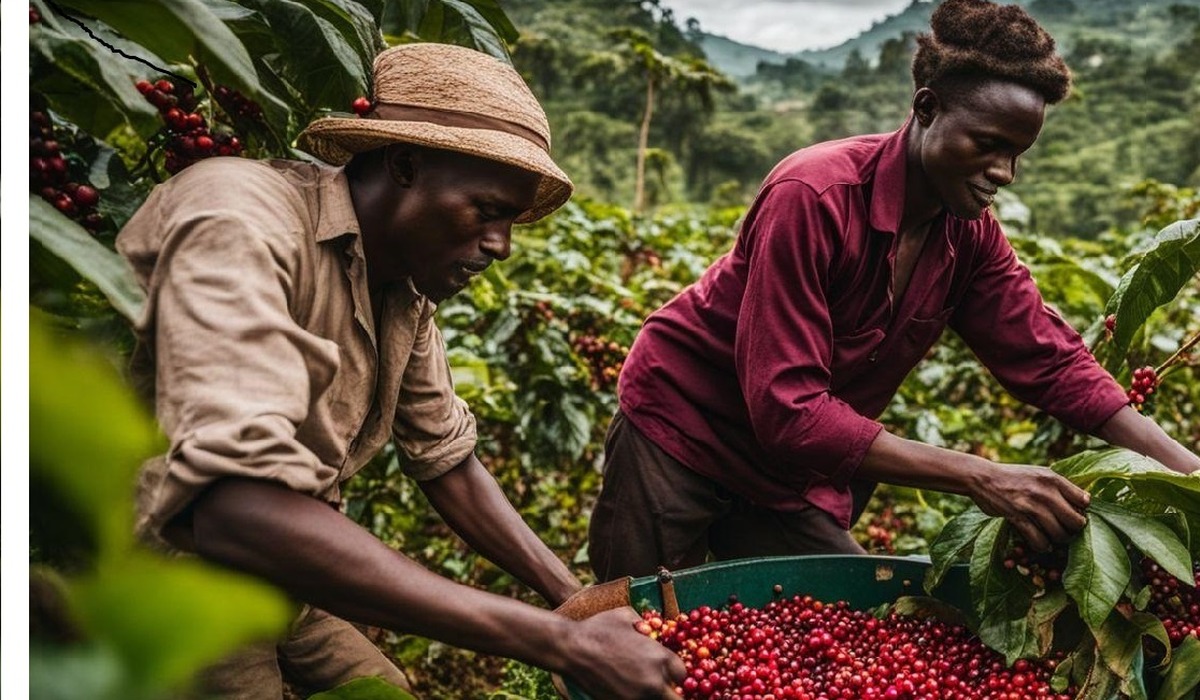
In Rwanda, coffee harvesting generally involves collecting ripe red cherries from coffee trees. Farmers and coffee processors pay attention to cherry quality because selecting properly matured cherries helps maintain the quality of the final product.
After harvesting, the cherries are taken to coffee washing stations, where different processing activities take place.
These may include:
- Sorting and selecting coffee cherries.
- Removing the outer fruit using pulping equipment.
- Fermenting the coffee where the chosen process requires it.
- Washing and grading the beans.
- Drying the coffee on raised beds or drying tables.
- Preparing the dried coffee for milling and export.
Fully washed processing is particularly important in Rwanda’s specialty coffee industry. Other processing methods, including natural and experimental fermentation techniques, also contribute to the variety of flavours available.
Careful processing helps preserve coffee quality and gives buyers access to distinctive lots from different producers and regions.
5. The Important Role of Smallholder Coffee Farmers
Rwanda’s specialty coffee industry is built on the work of thousands of farming families.
Many coffee producers operate small farms, where coffee growing forms an important part of household income. Farmers are involved in planting, maintaining coffee trees, harvesting ripe cherries and delivering their produce to washing stations.
Coffee cooperatives and washing stations help bring farmers together and support improvements in harvesting, processing and quality management.
This community-based production system is an important part of Rwanda’s coffee story. Behind every cup is the work of farmers, processors, exporters and other people involved in bringing coffee from the farm to international markets.
Choosing Rwandan coffee also gives consumers an opportunity to appreciate the people and communities behind the product.
6. Rwanda’s Growing International Reputation for Specialty Coffee
Rwanda has worked to strengthen its position in international specialty coffee markets through improved production, processing, quality assessment and promotion.
The National Agricultural Export Development Board (NAEB) plays an important role in coordinating and promoting the coffee sector. Quality assessment, professional coffee tasting and competitions help showcase outstanding coffees from different producers.
National specialty coffee competitions also create opportunities for producers to connect with international buyers and demonstrate the quality of their products.
Rwanda’s growing reputation is not simply about producing coffee in large quantities. It is also about producing coffee that offers distinctive characteristics, consistent quality and value in the specialty market.
7. Lake Kivu: One of Rwanda’s Beautiful Coffee-Growing Destinations
Lake Kivu is one of the most attractive areas to explore Rwanda’s coffee-growing culture.
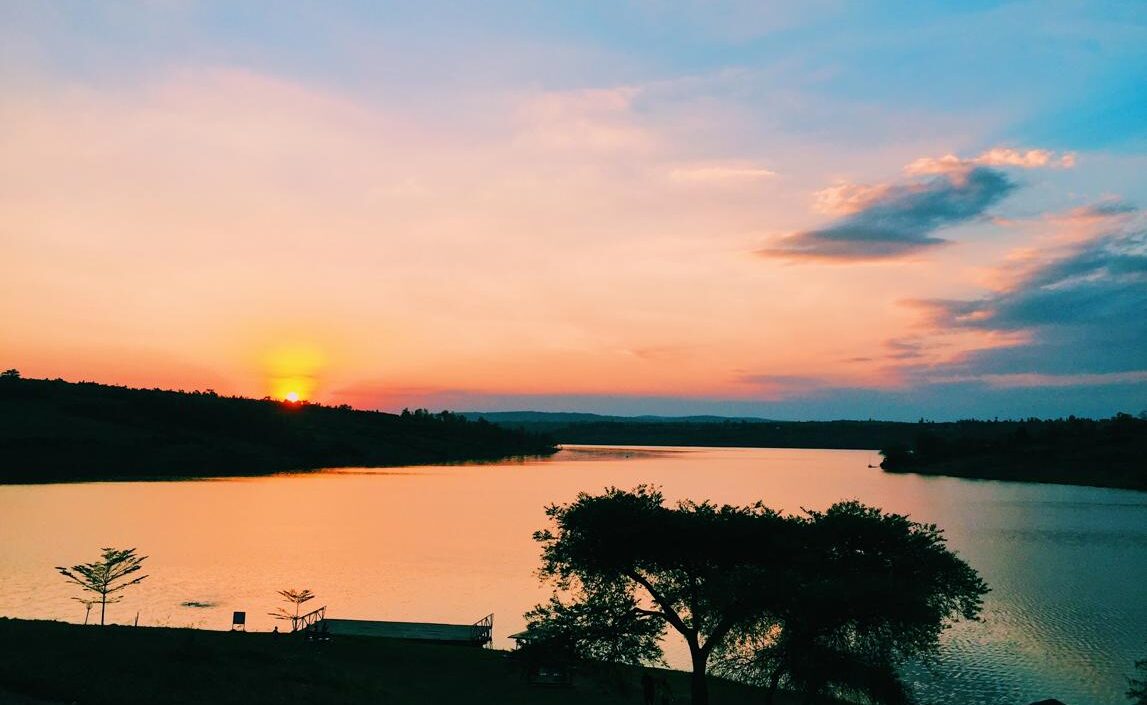
The region combines beautiful lakeside scenery, green hills, small farming communities and coffee-growing landscapes. Visitors travelling around Rubavu, Karongi and nearby areas can discover how agriculture and tourism are connected in this part of Rwanda.
One notable coffee destination is Kinunu Washing Station, located near the shores of Lake Kivu. The area is known for its coffee-growing activities and scenic surroundings.
Coffee experiences around Lake Kivu can give visitors an opportunity to learn about harvesting, processing and the people involved in coffee production.
For travellers who enjoy combining nature, culture and local experiences, exploring Rwanda’s coffee-growing regions can be a memorable addition to a wider trip.
8. Coffee Tourism: Discover Rwanda Beyond Wildlife Safaris
Many visitors come to Rwanda for gorilla trekking, wildlife safaris, hiking and cultural experiences. However, coffee tourism offers another way to discover the country.
A coffee experience can introduce travellers to the agricultural traditions that contribute to Rwanda’s identity.
Depending on the location and arrangements available, visitors may have opportunities to:
- Walk through coffee plantations.
- Learn how coffee cherries are harvested.
- Visit coffee washing stations.
- Understand the coffee fermentation and drying process.
- Meet local farmers and coffee producers.
- Taste freshly prepared Rwandan coffee.
- Purchase locally produced coffee.
Not every farm or washing station accepts visitors directly, so it is important to arrange visits in advance through an appropriate tour operator or tourism organisation.
9. Exploring Rwanda’s Coffee Regions with a Rental Car
Travelling by car can make it easier to discover Rwanda’s coffee-growing areas, especially when you want to combine coffee experiences with other destinations.
Starting from Kigali, visitors can plan journeys towards the Lake Kivu region, where coffee landscapes, lakeside communities and beautiful scenery provide opportunities for exploration.
A rental car gives travellers flexibility to plan their own routes, spend more time at selected destinations and enjoy the countryside at their preferred pace.
For visitors who prefer not to drive, a chauffeur-driven vehicle can provide a comfortable alternative.
At Rwanda Cars For Rental, we provide vehicle rental options for visitors who want to explore Rwanda, whether they are planning countryside excursions, cultural experiences or longer journeys.
You can also explore our guides about cars for hire in Rwanda and Rwanda car rental prices when planning your trip.
10. Best Time to Discover Rwanda’s Coffee Culture
Coffee experiences are possible throughout the year, although the activities visitors encounter can depend on the season and the particular farm or washing station.
Rwanda generally has one main coffee harvest each year. Harvesting begins around late February near the shores of Lake Kivu and around early March in many other areas, although the timing varies by region and can continue later in some northern locations.
During the harvest season, visitors may have a better opportunity to observe ripe coffee cherries being collected and delivered for processing.
Outside the main harvesting period, visitors can still learn about coffee cultivation, processing, roasting and tasting, depending on the facilities and tours available.
It is always advisable to confirm the availability of a coffee experience before travelling.
11. Why You Should Taste Rwandan Specialty Coffee
Rwandan coffee is more than an agricultural export. It represents the country’s landscapes, farming communities, culture and growing reputation in international markets.
Tasting Rwandan coffee gives visitors an opportunity to experience flavours connected to the country’s highland growing conditions and careful coffee production practices.
Whether you are a professional coffee enthusiast or simply someone who enjoys trying local products while travelling, Rwanda offers an interesting coffee story worth discovering.
If you are planning a visit, consider including a coffee experience in your itinerary. You can combine it with a trip to Lake Kivu, a visit to local communities or a wider journey through Rwanda’s beautiful countryside.
Frequently Asked Questions About Rwandan Specialty Coffee
1. Why is Rwanda famous for specialty coffee?
Rwanda is famous for specialty coffee because of its suitable highland growing conditions, predominantly Arabica Bourbon varieties, careful coffee processing and distinctive flavour characteristics, including fruity notes and bright acidity.
2. What type of coffee is grown in Rwanda?
Rwanda mainly produces Arabica coffee, particularly Bourbon types. Small quantities of other coffee varieties are also grown.
3. What does Rwandan coffee taste like?
Rwandan coffee can have fruity, floral, citrus and berry-like characteristics, with bright acidity and pleasant sweetness. The exact flavour depends on its origin and processing method.
4. Where is coffee grown in Rwanda?
Coffee is grown in different parts of Rwanda, including the Western, Southern and Northern regions, as well as other areas. Lake Kivu is particularly well known for its coffee-growing landscapes.
5. Can tourists visit coffee farms in Rwanda?
Yes. Some coffee farms, cooperatives and washing stations offer visitor experiences. Visits should be arranged in advance because not every production facility receives tourists directly.
6. When is the coffee harvesting season in Rwanda?
The main harvesting season generally begins around late February or early March, depending on the region. Harvesting can continue later in some areas.
7. Can I visit Rwanda’s coffee-growing areas by rental car?
Yes. Renting a car can provide flexibility when exploring coffee-growing regions, particularly around Lake Kivu. Visitors can choose self-drive or chauffeur-driven transport depending on their travel preferences.
8. Where can I buy Rwandan specialty coffee?
Rwandan coffee can be purchased from local coffee shops, roasters, selected supermarkets and coffee producers. Visitors can also ask about purchasing coffee during an organised farm or washing-station experience.
Explore Rwanda with Rwanda Cars For Rental
Rwanda has much more to offer than its famous national parks and mountain landscapes. Its specialty coffee is another reason to discover the country’s culture, communities and beautiful countryside.
Whether you want to explore coffee-growing areas around Lake Kivu, visit local communities or combine coffee experiences with other destinations, having reliable transportation can make your journey more convenient.
Contact Rwanda Cars For Rental to arrange a vehicle for your Rwanda adventure.
Email: rwandacarsforrental@gmail.com
Phone / WhatsApp: +250 785 412 878
Discover Rwanda, experience its coffee culture and enjoy the freedom to explore at your own pace.
Related Posts