
When planning to hire a vehicle, understanding the car rental deposit in Rwanda is an…
Rental Car Inspection Checklist in Rwanda: What to Check Before Accepting the Keys

Renting a car in Rwanda gives you the flexibility to explore Kigali, visit different destinations, attend business meetings, or travel across the country at your own pace. However, before starting your journey, there is one important step you should never overlook: inspecting the vehicle before accepting the keys.
A proper rental car inspection helps you identify existing damage, check essential features, confirm the condition of the vehicle, and avoid misunderstandings when returning it.
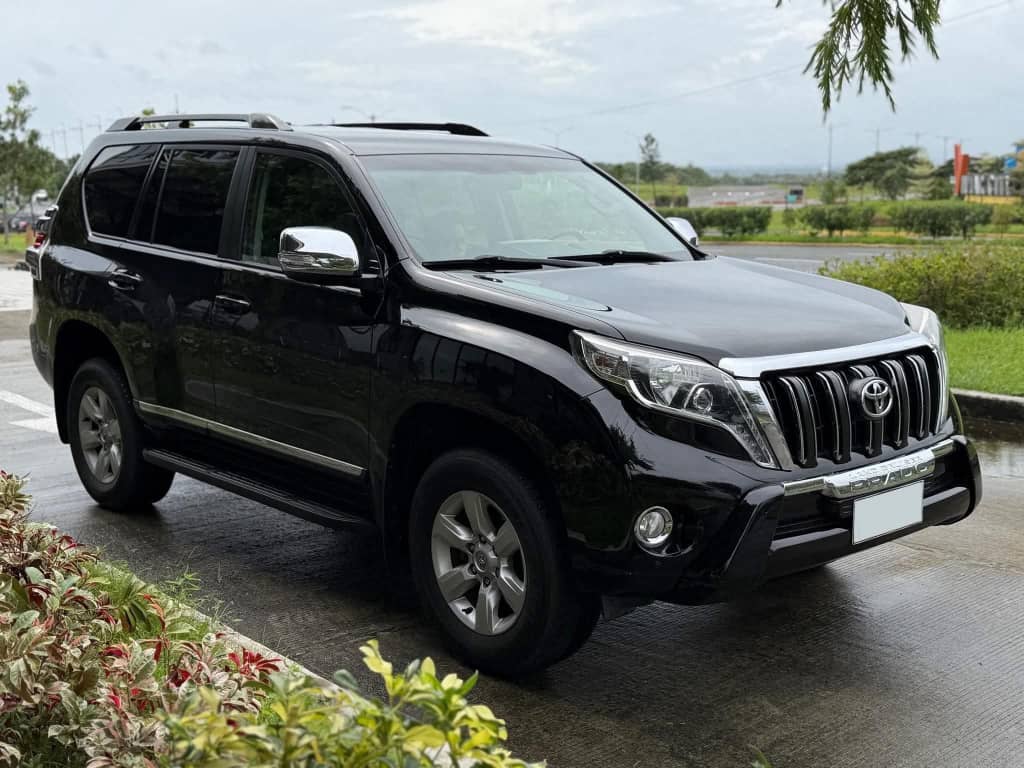
Whether you are collecting a Toyota Land Cruiser Prado, Toyota RAV4, Kia Sorento, or another rental vehicle, taking a few minutes to inspect the car can make your rental experience more comfortable and organised.
At Rwanda Cars for Rental, we encourage customers to understand the condition of their rental vehicle and report any concerns before departure.
In this guide, we explain what to check when collecting a rental car in Rwanda, including the exterior, tires, interior, safety equipment, documents, and vehicle handover records.
1. Inspect the Exterior of the Rental Car
Start by walking around the vehicle and examining its exterior carefully. Do not assume that a clean-looking car is free from damage.
Pay attention to the following areas:
Bodywork: Look for scratches, dents, cracked bumpers, paint damage, and loose exterior parts.
Windscreen and windows: Check for cracks, chips, or damage that could affect visibility.
Side mirrors: Confirm that both mirrors are present, secure, and adjustable.
Headlights and rear lights: Check for cracked lenses or damaged lights.
Doors and boot: Make sure the doors open and close properly and that the luggage compartment can be secured.
If you notice any existing damage, inform the rental representative before leaving. Ask them to record it on the vehicle condition report.
2. Check the Tires and Spare Wheel
Tire condition is important, especially when travelling outside Kigali or visiting destinations with steep roads and uneven surfaces.
Before accepting the vehicle:
- Look for visible cuts, bulges, or other tire damage.
- Check that the tires do not appear significantly underinflated.
- Look for excessive or uneven tread wear.
- Ask whether a spare wheel is supplied.
- Confirm that the necessary wheel-changing tools are available where applicable.
If you notice a damaged tire or anything that appears unsafe, ask the rental company to resolve the issue before departure.
You can also request confirmation that the tire pressure is appropriate for the vehicle.
3. Examine the Interior of the Vehicle
The interior inspection helps you confirm that the essential features are working properly.
Check the following:
Seats and seat belts: Ensure that the seats are in good condition and that the available seat belts fasten correctly.
Dashboard: Turn on the ignition and check for warning lights. Ask the representative to explain any warning light that remains illuminated.
Air conditioning: Test the air conditioning or ventilation system.
Windows: Check that the windows operate properly.
Wipers: Test the windscreen wipers and washer system.
Horn: Briefly test the horn in an appropriate location.
Interior cleanliness: Check the seats, carpets, dashboard, and luggage compartment.
Report any significant damage or malfunction before accepting the vehicle.
4. Understand the Vehicle’s Essential Controls
Different rental vehicles have different controls and features. Before driving away, make sure you understand how the important systems operate.
Ask the rental representative to explain:
- How to operate the headlights and indicators.
- How to activate the hazard warning lights.
- How to engage the parking brake.
- How to select the correct transmission setting.
- How to open the fuel door.
- How to operate the bonnet release.
- How to use four-wheel drive, if the vehicle has this feature.
This is particularly useful when renting an unfamiliar SUV or safari vehicle.
Do not assume that every four-wheel-drive vehicle operates in the same way. Request a demonstration before using unfamiliar driving modes.
If you notice a problem with the brakes, steering, or another safety-critical feature, do not drive until it has been assessed and resolved.
5. Confirm the Available Emergency Equipment
Before starting your journey, ask the rental company which emergency items are supplied with the vehicle and where they are stored.
Depending on the vehicle and its equipment, these may include:
- A spare wheel.
- A jack and wheel-changing tools.
- A warning triangle.
- A first-aid kit.
- A fire extinguisher.
- Roadside assistance contact information.
The equipment available may differ between vehicles. Do not assume that every item is included.
Ask the rental representative to explain what to do if you experience a mechanical problem or need roadside assistance during your rental period.
6. Photograph Existing Damage Before Departure
Taking photographs is one of the simplest ways to document a rental vehicle’s condition.
Before leaving, take clear pictures of:
- The front and rear of the vehicle.
- Both sides of the car.
- The wheels and tires.
- Any existing scratches or dents.
- The interior, if there is visible damage.
- The dashboard showing the fuel level and mileage.
If possible, record a short video walking around the vehicle.
Show any existing damage to the rental representative and ask for it to be included in the written vehicle condition report.
Keep these photographs until the rental is completed and any questions about the vehicle’s condition have been resolved.
Remember that photographs support the handover record but do not replace the signed rental agreement.
7. Record the Fuel Level and Mileage
Before accepting the vehicle, check the fuel gauge and odometer.
Make sure the starting fuel level and mileage are recorded accurately.
You should also ask the rental company about:
Fuel policy: Confirm whether the vehicle must be returned with the same fuel level or under another agreed arrangement.
Mileage limits: Establish whether the rental agreement includes a daily or overall mileage restriction.
Additional charges: Ask whether any additional usage charges apply under your agreement.
Understanding these details before departure helps prevent confusion when returning the vehicle.
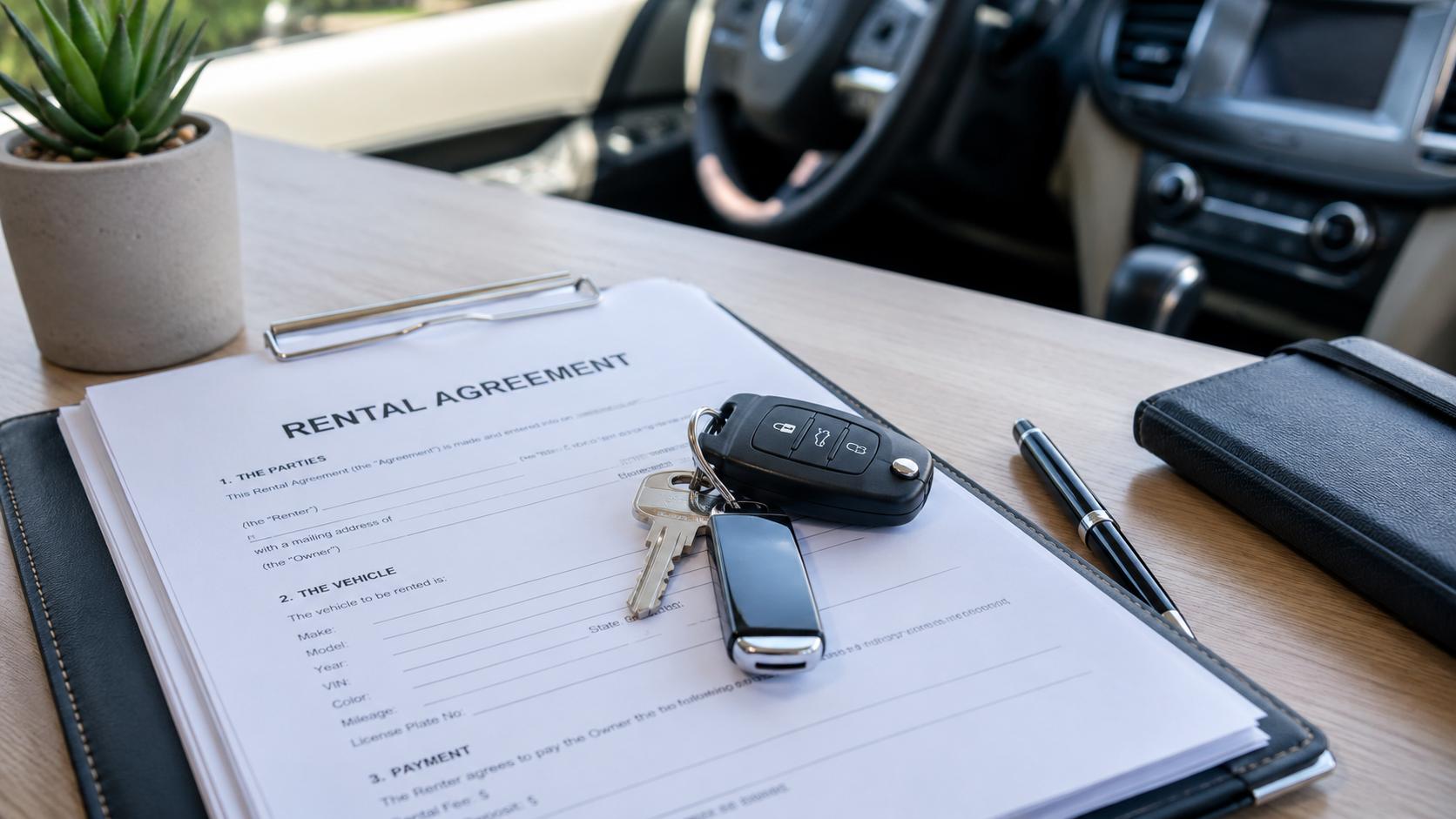
8. Review the Rental Agreement and Vehicle Documents
A vehicle inspection should also include reviewing the relevant rental documents.
Before signing, understand:
- The agreed rental period.
- The authorised drivers.
- The insurance coverage and exclusions.
- Any applicable insurance excess.
- Responsibilities in the event of an accident.
- The procedure for reporting mechanical problems.
- Roadside assistance arrangements.
- Fuel and mileage conditions.
Ask the rental representative to clarify anything you do not understand.
Do not assume that all damage or accidents are automatically covered by insurance. Coverage depends on the policy and the terms of your rental agreement.
When checking vehicle documents and safety requirements, renters can also consult the Rwanda National Police webs for official information about road safety and relevant police services. Always confirm the specific requirements applicable to your vehicle and journey.
Keep a copy of the signed agreement and the relevant contact information.
9. What to Do When You Discover a Problem
If you discover damage, a warning light, missing equipment, or a feature that does not work, report it immediately.
Explain the problem to the rental representative and request an appropriate solution.
Depending on the situation, the company may:
- Record the existing damage.
- Arrange a repair.
- Replace the vehicle.
- Provide further instructions.
If the problem involves brakes, steering, damaged tires, or another critical safety component, do not begin your journey until the issue has been resolved.
If you discover a problem after departure, stop somewhere safe if necessary and contact the rental company using the agreed support procedure.
10. Complete Your Rental Car Inspection Checklist
Before accepting the keys, use this simple checklist to confirm that the important inspection steps have been completed.
Exterior inspection
-
Bodywork checked for scratches and dents.
-
Windscreen and windows checked.
-
Mirrors inspected.
-
Headlights and rear lights checked.
-
Doors and luggage compartment checked.
Tire and equipment inspection
-
Tires checked for visible damage.
-
Spare wheel checked, if supplied.
-
Jack and wheel-changing tools checked, where applicable.
-
Emergency equipment located.
Interior inspection
-
Seat belts checked.
-
Dashboard warning lights reviewed.
-
Air conditioning or ventilation tested.
-
Windows and wipers checked.
-
Horn tested.
Documentation and handover
-
Existing damage photographed.
-
Vehicle condition report reviewed.
-
Fuel level recorded.
-
Odometer reading recorded.
-
Rental agreement reviewed.
-
Insurance conditions understood.
-
Emergency contact information saved.
If you cannot confirm an important safety item, ask the rental representative for clarification before departure.
Frequently Asked Questions About Rental Car Inspections in Rwanda
Should I inspect a rental car before accepting it?
Yes. Inspecting a rental car before accepting the keys helps you identify visible damage, check essential features, and confirm the vehicle’s condition. It also gives you an opportunity to report existing problems before departure.
Should I take pictures of a rental car before driving?
Yes. Take photographs of the exterior, existing damage, relevant interior areas, fuel gauge, and odometer. These photographs can help document the vehicle’s condition at the beginning of your rental.
What happens if I discover damage that was not recorded?
Inform the rental company immediately and request that the damage be added to the vehicle condition report. Keep photographs and a copy of the updated documentation.
What should I do if a rental car has a mechanical problem?
Contact the rental company using the roadside assistance or support details provided in your agreement. If the vehicle appears unsafe, stop in a safe place and do not continue driving until you receive appropriate assistance.
Does inspecting a rental car replace insurance?
No. Vehicle inspection and insurance serve different purposes. Inspection helps document the vehicle’s physical condition, while insurance determines the coverage and responsibilities specified in the policy.
Final Thoughts about rental car inspection checklist in rwanda
A proper rental car inspection is a small but important step towards a better travel experience in Rwanda. Checking the exterior, tires, interior features, emergency equipment, and vehicle documents helps you understand what you are accepting before starting your journey.
Whether you are collecting an SUV in Kigali, preparing for a business trip, or planning to explore different parts of Rwanda, take enough time to inspect your rental vehicle.
At Rwanda Cars for Rental, we believe that a well-organised vehicle handover is an important part of providing a reliable car rental experience.
Planning your next journey in Rwanda? Visit Rwanda Cars for Rental to explore available vehicles and contact our team about your rental requirements.
Inspect the vehicle, document its condition, understand your agreement, and start your journey with confidence.
Related Posts