
The best time for a Rwanda road trip depends on the weather, the destinations you…
What to Pack for a Rwanda Road Trip: Complete Packing Checklist
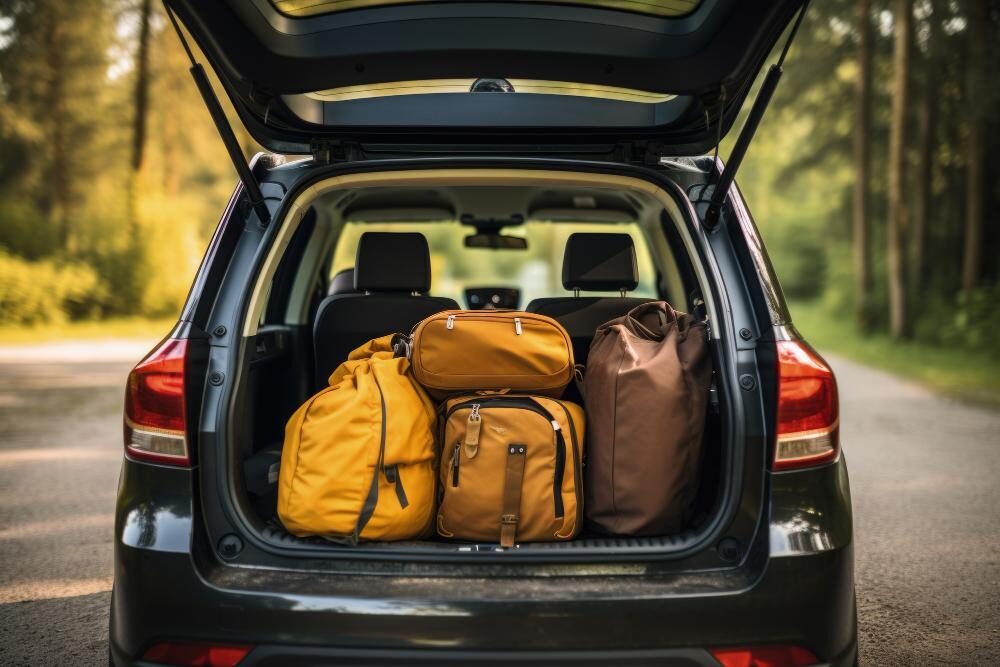
The road trip is an exciting way to experience the country’s beautiful landscapes, cities, lakes, mountains and national parks at your own pace. but What to Pack for a Rwanda Road Trip?
But before you start driving from Kigali to destinations such as Lake Kivu, Musanze, Akagera, Huye or Nyungwe, it is important to pack for more than just your destination.
A good Rwanda road-trip packing list should include comfortable clothing, travel documents, electronics, personal essentials, weather protection and a few practical items that can make long drives easier.
Rwanda has a tropical highland climate, so temperatures and conditions can vary depending on where you travel. Kigali has relatively moderate temperatures, while the Virunga mountains are cooler. Rwanda also has two main rainy seasons, roughly from mid-February to May and from mid-September to mid-December.
Here is a practical checklist to help you prepare.
1. Travel Documents
Keep your most important documents somewhere easily accessible rather than buried inside your main luggage.
Consider carrying:
- Passport
- Visa or entry documents, if applicable
- Travel insurance information
- Flight details
- Hotel or accommodation confirmations
- National park permits or activity confirmations
- Emergency contact information
- Driving licence if you plan to drive
- Rental car documents if you are hiring a vehicle
If you are renting a car in Rwanda, confirm the documents required by your rental provider before your trip.
Keep digital copies of important documents on your phone or in secure cloud storage as an additional backup.
2. Comfortable Clothing
You do not need to pack an entirely different wardrobe for a Rwanda road trip.
Choose comfortable clothing that works for changing temperatures and different activities.
A useful basic selection includes:
- Lightweight shirts
- T-shirts
- Long trousers
- Comfortable casual trousers or shorts
- Underwear
- Socks
- Sleepwear
- Light sweater or fleece
- Light jacket
- Comfortable walking clothes
During the day, temperatures are generally comfortable and light clothing can work well. However, evenings can be cooler, so having a sweater or light jacket is useful.
For travelers visiting higher-altitude areas such as the Volcanoes region, bring warmer layers.
3. Rain Protection
Rain can change your plans quickly, particularly when travelling through Rwanda’s mountainous areas.
Pack:
- Lightweight waterproof jacket
- Compact umbrella
- Waterproof bag or dry bag
- Waterproof cover for your backpack
- Quick-drying clothing
- Extra socks
A waterproof jacket is particularly useful in mountainous areas and during Rwanda’s wetter seasons. Visit Rwanda also recommends lightweight waterproof clothing for activities around Volcanoes National Park.
You do not necessarily need heavy rain gear for an ordinary road trip. A lightweight waterproof jacket is usually easier to carry and use.
4. Comfortable Walking Shoes
Even if your main plan is to drive, you will probably spend time walking.
You may walk around:
- Kigali
- Restaurants and cafés
- Hotels
- Museums
- Viewpoints
- Lakeside areas
- Cultural attractions
- National parks
Bring comfortable shoes with good grip.
If your itinerary includes hiking, trekking or forest activities, choose proper footwear suitable for the activity.
For gorilla trekking and other forest activities, sturdier shoes are particularly important because trails can be wet, muddy or uneven.
5. Sun Protection
Rwanda’s high elevation does not mean you should ignore the sun.
Pack:
- Sunglasses
- Sun hat or cap
- Sunscreen
- Lip balm with sun protection
- Lightweight long-sleeved clothing
A hat and sunglasses are specifically recommended in Visit Rwanda’s travel guidance.
Keep sunscreen and sunglasses somewhere accessible during long drives rather than at the bottom of your suitcase.
6. Insect Repellent
An insect repellent can be useful, particularly if your road trip includes outdoor activities, national parks or overnight stays outside Kigali.
Consider packing:
- Insect repellent
- Long trousers for evening activities
- Long-sleeved shirt
- After-bite treatment if you normally use one
Visit Rwanda recommends precautions against mosquito bites and other insect bites.
7. Water and Road Snacks
Long road journeys are easier when you have drinking water and a few simple snacks available.
Consider carrying:
- Bottled drinking water
- Fruit
- Crackers
- Nuts
- Granola or energy bars
- Other non-messy snacks
Rwanda has shops, restaurants and towns along many major routes, so you do not need to carry food for your entire trip.
Instead, carry enough for the next part of your journey and stop regularly.
If you buy bottled water, check that the seal is intact. Visit Rwanda advises travelers not to drink tap water and notes that bottled mineral water is widely available in towns.
8. Phone, Charger and Power Bank
Your phone can be extremely useful during a road trip.
You may use it for:
- Navigation
- Hotel bookings
- Communication
- Photography
- Translation
- Emergency calls
- Checking weather
- Contacting your rental company
Pack:
- Smartphone
- Phone charging cable
- Car charger
- Power bank
- Spare charging cable if possible
Before leaving Kigali, make sure your phone has enough battery for the journey.
Rwanda has broad mobile-network coverage, although connectivity can vary depending on the location.
9. Offline Maps and Navigation
Do not depend entirely on having mobile data throughout your journey.
Before leaving, prepare your route and save important information where possible.
Have access to:
- Your destination address
- Hotel contact details
- Planned stops
- Offline maps
- Rental company contact
- Emergency contacts
This is particularly useful when travelling into rural areas or places where connectivity may be less reliable.
You can also write down important addresses rather than depending entirely on your phone.
10. Camera and Photography Equipment
Rwanda is known for its landscapes, wildlife and scenic roads, so you may take more photographs than expected.
Depending on your interests, pack:
- Smartphone or camera
- Extra memory card
- Spare battery
- Camera charger
- Power bank
- Small protective bag
- Binoculars
You do not need expensive photography equipment to enjoy a Rwanda road trip.
Your phone can be enough for many travelers.
If you are photographing wildlife, binoculars can also be useful because animals may be some distance from the vehicle.
11. Small Daypack
A small backpack can be more useful than carrying your main suitcase everywhere.
Keep items such as:
- Water
- Phone
- Camera
- Sunscreen
- Hat
- Light jacket
- Documents
- Snacks
- Insect repellent
This is especially convenient when you leave the rental car for sightseeing or activities.
12. Personal Toiletries
Pack the toiletries you normally use rather than assuming everything will be available at every stop.
For example:
- Toothbrush
- Toothpaste
- Deodorant
- Soap
- Shampoo
- Moisturiser
- Hand sanitiser
- Tissues
- Personal hygiene products
Keep a small set of essential toiletries in your day bag if you are travelling between several accommodations.
13. Personal Medication and Basic First Aid
If you regularly use prescription medication, bring enough for the entire trip and keep it accessible.
You may also want a small personal first-aid kit containing items appropriate for your needs.
For example:
- Personal medication
- Plasters
- Antiseptic wipes
- Pain-relief medicine you normally use
- Basic treatment for minor cuts or blisters
Visit Rwanda recommends that travelers seek professional medical advice regarding vaccinations and malaria prevention and consider bringing a small first-aid kit.
For medical decisions, consult a qualified healthcare professional before traveling.
14. What to Keep Accessible Inside the Rental Car
This is one of the most important parts of your road-trip packing strategy.
Do not put everything in the trunk.
Keep useful items within easy reach, such as:
- Water
- Phone
- Charging cable
- Power bank
- Sunglasses
- Light jacket
- Small snacks
- Navigation information
- Rental company contact details
- Accommodation information
At the same time, avoid leaving valuable items visible inside a parked vehicle.
Your luggage should be secured properly, and valuable belongings should not be left on seats where they can easily be seen.
15. What to Pack for Different Parts of Rwanda
Your packing list should depend on your itinerary.
Kigali
For Kigali, comfortable everyday clothing is usually enough.
Bring:
- Light clothing
- Comfortable shoes
- Light jacket
- Sunglasses
- Small umbrella or rain jacket
Lake Kivu
For a trip toward Lake Kivu, bring comfortable casual clothing, swimwear if your accommodation or activities require it, sunglasses and sun protection.
A light jacket is still useful for evenings.
Volcanoes National Park
If you are visiting the Volcanoes region, prepare for cooler and wetter conditions.
Bring:
- Sturdy walking shoes
- Long trousers
- Long-sleeved clothing
- Warm layer
- Waterproof jacket
- Gaiters where appropriate
- Gloves for trekking activities
Visit Rwanda recommends sturdy clothing, solid walking shoes and lightweight waterproof protection for the Volcanoes area.
Akagera National Park
For Akagera, comfortable outdoor clothing, sun protection, insect repellent and suitable walking shoes are useful.
If you are going on a wildlife safari, binoculars and a camera can make the experience more enjoyable.
Avoid blue clothing in Akagera because it can attract tsetse flies, according to Visit Rwanda’s travel guidance.
Nyungwe Forest
For Nyungwe, prepare for forest conditions.
Bring:
- Comfortable walking shoes
- Long trousers
- Light rain protection
- Insect repellent
- Light warm layer
- Small daypack
If you are doing a particular activity such as hiking or chimpanzee trekking, check the activity-specific requirements before departure.
16. What NOT to Pack for Rwanda
Packing light can make a road trip much more comfortable.
You probably do not need:
- Excessive amounts of clothing
- Large quantities of food
- Heavy camping equipment if you are staying in hotels
- Too many pairs of shoes
- Unnecessary electronics
- Large amounts of cash
- Bulky luggage that you will rarely use
Also remember that Rwanda has restrictions on plastic bags. Plastic bags have been banned since 2008, and Visit Rwanda advises visitors not to bring them into the country.
Use reusable bags or suitable alternatives instead.
17. Packing for Rwanda’s Rainy Seasons
Rwanda has two main rainy seasons:
- Mid-February to May
- Mid-September to mid-December
The main dry season is generally June to mid-September, although occasional light rain can still occur.
If you are traveling during wetter periods, give more attention to:
- Waterproof jacket
- Waterproof phone protection
- Extra socks
- Quick-drying clothing
- Waterproof luggage protection
- Shoes with good grip
Rain does not necessarily mean you need to cancel a road trip.
It simply means you should allow more flexibility in your schedule and be prepared for changing conditions.
18. Packing for a Rwanda Road Trip With Children
If you are traveling with children, add a few extra items to your road-trip bag.
Consider:
- Extra clothes
- Snacks
- Drinking water
- Wet wipes
- Entertainment for longer drives
- Child-specific medication
- Small blanket or sweater
- Necessary travel documents
- Comfortable headphones if appropriate
Keep frequently needed items where you can reach them without unpacking the entire vehicle.
Plan regular breaks on longer journeys.
19. Packing for a Multi-Day Road Trip
For a longer Rwanda itinerary, organize your luggage into two groups.
Main luggage
Keep items you only need at your accommodation:
- Most clothing
- Shoes
- Toiletries
- Larger electronics
- Extra personal items
Day bag
Keep items you may need during the day:
- Water
- Phone
- Camera
- Sunscreen
- Sunglasses
- Light jacket
- Snacks
- Documents
- Medication
- Power bank
This simple system can make moving between different destinations much easier.
20. If You Are Renting a Car in Rwanda
If you are renting a car, add a few transport-related items to your preparation.
Before collecting the vehicle, confirm:
- Rental documents
- Required driving licence
- Insurance arrangements
- Fuel policy
- Mileage policy
- Deposit requirements
- Breakdown assistance
- Emergency contact
- Permitted travel areas
- Vehicle type for your planned route
Inspect the vehicle before departure and report existing damage according to the rental company’s procedure.
It is also useful to confirm that the vehicle has enough luggage space for everyone traveling with you.
Rwanda’s major towns are connected by a well-surfaced road network, while some smaller roads can be unsurfaced and conditions may vary, particularly during rainy periods.
That means your vehicle choice should be based on your actual itinerary rather than automatically assuming you need the largest 4×4.
21. Rwanda Road Trip Packing Checklist
Before leaving, use this quick checklist:
Documents
☐ Passport
☐ Visa or entry documents if required
☐ Travel insurance information
☐ Accommodation details
☐ Driving licence
☐ Rental documents
☐ Park permits or activity confirmations
Clothing
☐ T-shirts and light clothing
☐ Long trousers
☐ Comfortable walking clothes
☐ Underwear and socks
☐ Light sweater
☐ Light jacket
☐ Rain jacket
Shoes
☐ Comfortable everyday shoes
☐ Walking shoes or hiking boots if needed
☐ Sandals or light shoes
Sun and weather
☐ Sunglasses
☐ Hat or cap
☐ Sunscreen
☐ Insect repellent
☐ Umbrella
☐ Waterproof bag
Technology
☐ Smartphone
☐ Charging cable
☐ Car charger
☐ Power bank
☐ Camera
☐ Spare battery or memory card
☐ Offline maps
Road essentials
☐ Drinking water
☐ Snacks
☐ Small daypack
☐ Accommodation contacts
☐ Rental company contact
☐ Emergency contacts
Personal items
☐ Medication
☐ Basic first-aid supplies
☐ Toiletries
☐ Hand sanitiser
☐ Personal hygiene items
Final Tips for Packing for a Rwanda Road Trip
The best packing list is not necessarily the longest one.
Pack according to your itinerary.
If you are staying mainly in Kigali and visiting nearby attractions, you can travel relatively light. If your journey includes Volcanoes National Park, Nyungwe, Akagera, Lake Kivu or several days on the road, prepare for different weather, terrain and activities.
Most importantly, keep the things you may need during the journey easy to reach.
A comfortable pair of shoes, a light jacket, rain protection, water, your phone, important documents and a small daypack can be more useful during a road trip than a suitcase full of unnecessary items.
If you are planning to explore Rwanda by car, choose your vehicle according to your route, number of passengers, luggage and planned activities.
Planning to Rent a Car for Your Rwanda Road Trip?
A rental car can give you the flexibility to travel between Rwanda’s cities, lakes, mountains and national parks on your own schedule.
Before booking, consider your route, number of passengers, luggage requirements and whether you prefer self-drive or a vehicle with a professional driver.
If you are ready to plan your journey, explore our Rwanda car rental options and choose a vehicle that fits your trip.
Frequently Asked Questions
What should I pack for a Rwanda road trip?
Pack comfortable clothing, walking shoes, a light jacket, rain protection, sun protection, personal medication, travel documents, a phone charger, power bank, drinking water and a small daypack. Add activity-specific equipment if you plan to hike, trek or visit national parks.
Do I need warm clothes in Rwanda?
Yes. Although Rwanda generally has a comfortable highland climate, evenings can be cool and higher-altitude destinations such as the Volcanoes region can be considerably cooler. A light sweater or jacket is useful.
Should I bring a rain jacket to Rwanda?
Yes. A lightweight waterproof jacket is useful because Rwanda has rainy seasons and weather can change, especially in mountainous areas.
What shoes should I bring to Rwanda?
For a normal road trip, comfortable walking shoes are sufficient. If your itinerary includes hiking, gorilla trekking or forest activities, bring sturdy footwear with good grip.
Should I bring insect repellent to Rwanda?
It is a useful item to pack, particularly for outdoor activities and travel outside Kigali. Visit Rwanda recommends precautions against mosquito and other insect bites.
Can I drink tap water during my Rwanda road trip?
Visit Rwanda advises travelers not to drink tap water and recommends bottled mineral water, with the seal intact.
What should I keep in the car during a road trip?
Keep water, your phone, charger, power bank, navigation information, important contacts, a light jacket and any essential medication accessible. Avoid leaving valuables visible when the vehicle is parked.
Do I need a 4×4 for a Rwanda road trip?
Not necessarily. Rwanda has a well-surfaced road network connecting major towns, although some smaller roads can be unsurfaced and conditions vary. Choose a vehicle based on your actual route and activities rather than assuming every trip requires a 4×4.
What should I pack for gorilla trekking?
If gorilla trekking is part of your itinerary, bring sturdy walking shoes, sturdy clothing, long sleeves, gloves if desired and lightweight waterproof protection. Follow the current instructions provided by your trekking operator or park authorities.
Can I bring plastic bags into Rwanda?
Do not plan to bring ordinary plastic bags. Visit Rwanda states that plastic bags have been banned by law since 2008 and may be confiscated at entry points.
Related Posts